
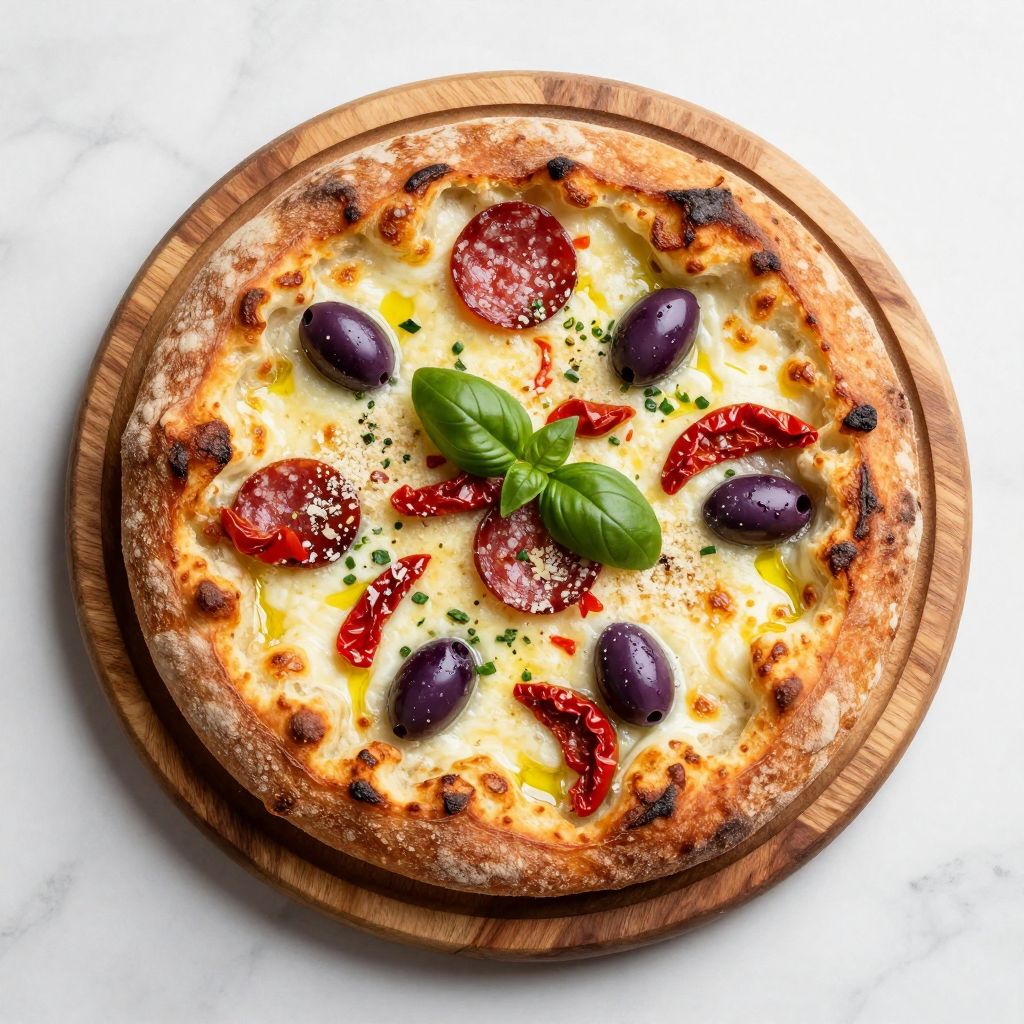
Picture this: a crusty loaf studded with whatever savory treasures hide in your pantry, fresh from the oven and absolutely impossible to resist.
Garbage bread is the glorious answer to the question “What do I make with these random ingredients?” This no-fuss loaf transforms odds and ends like cheese, cured meats, olives, and roasted peppers into something bakery-worthy that tastes way better than it should.
What makes this recipe special is its flexibility and the way every bite delivers different flavors and textures, thanks to those pockets of savory fill.
Let’s get into the ingredient list and turn your kitchen scraps into a showstopper.
Why You’ll Love This Recipe
Garbage bread breaks all the rules in the best way possible and still delivers incredible results every single time.
- Uses whatever pantry staples you already have on hand
- Comes together faster than most traditional bread recipes
- Creates a show-stopping presentation that looks far more impressive than the effort required
- Packed with savory flavors that pair perfectly with soups, salads, or cheese boards
- Leftovers toast beautifully the next day and actually improve with time
My Experience Making This Recipe
The first time I made garbage bread, I was honestly skeptical that throwing random ingredients into basic dough could work this well. My kitchen smelled absolutely incredible within the first thirty minutes of baking.
My family gathered around the cooling loaf like it was the most anticipated meal of the week, which tells you something about how magnetic this bread really is. The mix of melted cheese, salty meats, and tangy pickled vegetables created this flavor explosion that completely changed my perspective on what “garbage” could become.
I’ve made it at least a dozen times now, and every batch teaches me something new about customizing it to match whatever I have available. It’s become my go-to recipe for impressing people with minimal planning.
Recipe Overview
- Recipe Name: Garbage Bread
- Servings: 8 to 10 slices
- Prep Time: 20 minutes
- Cook Time: 35 to 40 minutes
- Total Time: 1 hour 15 minutes
- Course: Bread, Appetizer
- Cuisine: Italian-inspired
- Calories per Serving: 280
Equipment You Will Need
- Large mixing bowl
- Wooden spoon or dough whisk
- Bench scraper or dough cutter
- 9-inch round baking pan or Dutch oven
- Parchment paper
- Measuring cups and spoons
- Kitchen scale (optional but helpful)
- Instant-read thermometer
- Wire cooling rack
Ingredients for Garbage Bread
- 3 cups all-purpose flour
- 1 teaspoon instant yeast
- 1 1/2 teaspoons salt
- 1 1/2 cups warm water
- 1 1/2 cups shredded mozzarella cheese
- 1/2 cup diced pepperoni or salami
- 1/2 cup roasted red peppers, chopped
- 1/3 cup pitted Kalamata olives, chopped
- 1/4 cup sun-dried tomatoes, chopped
- 2 tablespoons fresh basil, chopped
- 2 tablespoons grated Parmesan cheese
- 1 tablespoon olive oil
Ingredient Notes and Substitutions
- All-purpose flour provides structure and allows the dough to rise evenly. Swap for bread flour for a chewier crust, though it will require slightly more water.
- Instant yeast is fast-acting and reliable for this recipe. Active dry yeast works too but add an extra 10 minutes to rising time.
- Mozzarella cheese melts beautifully and creates those golden pockets throughout the loaf. Use provolone, cheddar, or fontina for different flavor profiles.
- Pepperoni or salami adds salty, smoky depth. Prosciutto, pancetta, or chopped Italian sausage deliver similar results.
- Roasted red peppers bring sweetness and a silky texture. Fresh bell peppers work but won’t provide the same depth.
- Kalamata olives add briny complexity and authentic Mediterranean flavor. Green olives or marinated artichokes are solid alternatives.
- Sun-dried tomatoes contribute concentrated umami and chewiness. Fresh cherry tomatoes work in a pinch but use less to avoid excess moisture.
- Fresh basil brightens the filling with herbal notes. Dried Italian seasoning or fresh oregano serve as worthy stand-ins.
How to Make Garbage Bread
Step 1: Mix the Dough Base
Combine the flour, instant yeast, and salt in a large mixing bowl and stir them together with a wooden spoon or dough whisk. This distribution ensures the yeast activates evenly throughout the dough without clumping.
Add the warm water and mix until a shaggy, wet dough forms that pulls away from the bowl sides. The dough will look rough and slightly sticky, which is exactly what you want at this stage.
Step 2: Prepare the Filling
While the dough rests, combine the mozzarella, pepperoni, roasted red peppers, Kalamata olives, sun-dried tomatoes, basil, and Parmesan in a separate bowl. Toss everything together gently so the ingredients distribute evenly without crushing the delicate peppers.
Taste a tiny pinch of your filling mixture and adjust seasonings if needed. Since many ingredients are already salty, you likely won’t need to add more salt.
Step 3: First Rise
Cover the mixing bowl with a damp kitchen towel and let the dough rise at room temperature for 30 minutes. During this time, the gluten develops and the dough becomes easier to handle.
You’re looking for the dough to increase in volume and feel slightly more elastic when you poke it gently.
Step 4: Laminate and Layer
Turn the dough out onto a lightly floured work surface and stretch it into a rough 12-inch square using your hands. Drizzle the olive oil over the top and distribute it across the surface with your fingers.
Scatter half of your filling mixture evenly across the dough, leaving a half-inch border around the edges. Fold the dough in half and stretch it again into a rough square, then scatter the remaining filling on top.
Step 5: Shape the Loaf
Fold the dough in half one more time to encase most of the filling, then gently shape it into a round ball by pulling the edges toward the center and turning it seam-side down. The shape doesn’t need to be perfect because this bread is supposed to look rustic and homemade.
Transfer the shaped dough to a parchment-lined 9-inch baking pan or Dutch oven, seam-side down. If using a Dutch oven, you’ll get better oven spring and a crispier crust.
Step 6: Second Rise
Cover the pan with a damp towel and let the dough rise for 30 to 40 minutes at room temperature until it puffs up and fills most of the pan. The dough should dimple slightly when you press it gently with a floured finger.
While this is happening, preheat your oven to 450 degrees Fahrenheit. If using a Dutch oven, place it inside now so it heats fully.
Step 7: Score and Prepare for Baking
Using a sharp knife or bench scraper, make a shallow slash across the top of the dough in an X pattern. This allows steam to escape in a controlled way and gives the finished loaf a professional appearance.
If you’re not using a preheated Dutch oven, brush the top of the dough lightly with water to encourage a crispy crust. This step is optional but creates superior texture.
Step 8: Bake the Bread
Place the bread in your preheated 450-degree oven and bake for 35 to 40 minutes until the crust is deep golden brown and sounds hollow when tapped on the bottom. If baking in a Dutch oven, you can remove the lid for the last 10 minutes to deepen the crust color.
The internal temperature should reach 205 to 210 degrees Fahrenheit at the center when measured with an instant-read thermometer. This ensures the crumb is fully set and the bread will have proper structure.
Step 9: Cool Completely
Transfer the bread to a wire cooling rack and let it rest for at least 15 minutes before slicing. This cooling time allows the internal structure to set fully so the bread doesn’t fall apart when you cut into it.
Resist the urge to slice into it sooner, even though the aroma will drive you crazy. Patience here makes all the difference.
Pro Tip: Don’t skip the second rise or underestimate it. Adequate rising time creates an open, airy crumb with better texture than rushing the process.
Tips for the Best Garbage Bread
- Keep your water temperature between 105 and 110 degrees Fahrenheit so the yeast activates without getting killed by heat. Too cold and it won’t rise; too hot and the yeast dies.
- Don’t overstuff the dough with filling or it becomes difficult to seal and may burst during baking. Aim for enough to flavor the bread without overwhelming the dough structure.
- Use a Dutch oven for maximum crust crispiness and oven spring since it traps steam. If you don’t own one, place a shallow pan of boiling water on the lower oven rack.
- Chop your filling ingredients into similar sizes so flavors distribute evenly and no single ingredient dominates any bite. Uniform pieces create better texture throughout.
- Let the finished bread cool completely on a rack rather than keeping it in the pan. This prevents moisture from being reabsorbed into the bottom and keeps the crust crispy.
- Make this recipe ahead by preparing the dough through the first rise, then refrigerating it overnight. Pull it from the fridge, add filling, shape, and proceed with the second rise the next day.
Common Mistakes to Avoid
- Using water that’s too hot kills the yeast instantly, resulting in no rise at all. Always check your water temperature with a thermometer if possible.
- Skipping the first rise leaves the dough tight and difficult to stretch, creating a dense crumb. This step builds flavor and gluten development.
- Sealing the dough poorly traps filling ingredients on the surface where they burn instead of staying moist inside. Fold edges carefully and pinch them together firmly.
- Opening the oven door repeatedly before the final 10 minutes lets heat escape and disrupts oven spring. Resist the urge to check on it constantly.
- Slicing into the bread too early creates a gummy, compressed crumb that falls apart. Give it those full 15 minutes of cooling time.
Serving Suggestions
Garbage bread shines brightest as a centerpiece at gatherings but works equally well as a weeknight dinner companion. The savory flavors pair naturally with lighter fare that lets the bread take the spotlight.
- Serve alongside a crisp arugula salad dressed with lemon vinaigrette for a light, elegant meal
- Pair with minestrone soup or hearty tomato-based broth to dip crusty slices into
- Offer as part of an Italian charcuterie board with cured meats, cheeses, and pickled vegetables
- Toast slices the next day and top with ricotta, fresh tomatoes, and basil for a simple breakfast
- Serve with warm whipped ricotta and roasted garlic cloves for an impressive appetizer
Variations to Try
- Mediterranean Version: Swap pepperoni for anchovy fillets, add capers and fresh lemon zest, then reduce the herbs to oregano only. This creates a more herbaceous, briny flavor profile that tastes like a coastal vacation.
- Breakfast Garbage Bread: Replace the cured meats with crispy bacon and add caramelized onions, sharp cheddar, and fresh thyme. This transforms the bread into something perfect for brunch gatherings.
- Vegetarian Packed Loaf: Skip the meat entirely and add sauteed mushrooms, spinach, caramelized garlic, and extra cheese for umami depth. The earthiness of mushrooms provides the savory richness that meat typically delivers.
- Spicy Version: Include diced jalapenos, red pepper flakes, hot soppressata, and a pinch of cayenne pepper throughout. This delivers heat that builds with each bite and pairs beautifully with cooling toppings like sour cream or Greek yogurt.
- Everything Bagel Spin: Top the shaped dough with everything bagel seasoning, sesame seeds, and poppyseeds before baking. This creates a crunchy, flavorful exterior that contrasts nicely with the soft interior.
Dietary Adaptations
- Gluten-Free: Replace all-purpose flour with a high-quality gluten-free bread flour blend that includes xanthan gum, then add 2 tablespoons more water to compensate for absorption differences. The crumb will be slightly denser but absolutely delicious.
- Dairy-Free: Use dairy-free mozzarella and skip the Parmesan entirely. Most dairy-free cheeses melt reasonably well though the filling won’t be quite as cohesive.
- Vegan: Substitute water for any dairy ingredients, use vegan cheese, replace cured meats with marinated tofu or tempeh, and double up on vegetables like caramelized onions and mushrooms. The bread will be less rich but equally satisfying.
- Low-Carb/Keto: Use almond flour or a keto bread mix instead of all-purpose flour, keep the savory filling generous, and enjoy smaller portions since the calorie density increases. The texture will be different but the flavors still shine through.
Storage and Reheating
Refrigerator
Store completely cooled garbage bread wrapped tightly in plastic wrap or placed in an airtight container for up to four days. The bread actually tastes better on day two or three as flavors meld together.
- Keep it on the counter wrapped in a kitchen towel for one day if you’ll eat it quickly
- Refrigerate for longer storage to prevent mold growth
Freezer
Wrap the completely cooled loaf in plastic wrap, then place it in a freezer bag, removing as much air as possible before sealing. It keeps frozen for up to three months.
- Slice before freezing if you prefer portioning the loaf for easier thawing
- Thaw at room temperature for four hours or overnight in the refrigerator
Reheating
Wrap the bread lightly in foil and warm it in a 350-degree oven for 10 to 15 minutes to restore crispness and revive flavors. Toasting individual slices in a regular toaster or toaster oven works wonderfully for breakfast.
- Never reheat in the microwave as it makes the bread rubbery and tough
- Brush the crust with a tiny amount of olive oil before reheating for extra crispiness
Nutrition Information
| Nutrient | Amount |
|---|---|
| Calories | 280 |
| Total Fat | 11g |
| Saturated Fat | 4.5g |
| Carbohydrates | 33g |
| Fiber | 1.5g |
| Sugar | 2g |
| Protein | 11g |
| Sodium | 620mg |
| Cholesterol | 18mg |
Nutrition values are approximate and calculated based on standard ingredient measurements and serving size of one slice from an eight-slice loaf. Actual values vary depending on specific brands and portion sizes.
Frequently Asked Questions
Can I prepare garbage bread dough ahead of time?
Absolutely, and this is actually one of the best features of this recipe. Complete the first rise, then refrigerate the dough overnight in a covered container and proceed with shaping and second rise the next day.
What if my dough doesn’t rise much during the second rise?
Your kitchen might be too cold, which slows yeast activity. Try placing the covered pan in a slightly warm spot like an oven with the light on, or proof it for an extra 15 to 20 minutes. Patience fixes most rising issues.
Can I use sourdough starter instead of commercial yeast?
Yes, use one cup of active sourdough starter plus
Garbage Bread
Ingredients
Equipment
Method
- Combine the flour, instant yeast, and salt in a large mixing bowl and stir them together with a wooden spoon or dough whisk.
- Add the warm water and mix until a shaggy, wet dough forms that pulls away from the bowl sides.
- While the dough rests, combine the mozzarella, pepperoni, roasted red peppers, Kalamata olives, sun-dried tomatoes, basil, and Parmesan in a separate bowl. Toss everything together gently.
- Cover the mixing bowl with a damp kitchen towel and let the dough rise at room temperature for 30 minutes.
- Turn the dough out onto a lightly floured work surface and stretch it into a rough 12-inch square using your hands.
- Drizzle the olive oil over the top and distribute it across the surface with your fingers.
- Scatter half of your filling mixture evenly across the dough, leaving a half-inch border around the edges. Fold the dough in half and stretch it again into a rough square, then scatter the remaining filling on top.
- Fold the dough in half one more time to encase most of the filling, then gently shape it into a round ball by pulling the edges toward the center and turning it seam-side down.
- Transfer the shaped dough to a parchment-lined 9-inch baking pan or Dutch oven, seam-side down.
- Cover the pan with a damp towel and let the dough rise for 35 minutes at room temperature until it puffs up and fills most of the pan.
- While rising, preheat your oven to 450 degrees Fahrenheit.
- Using a sharp knife or bench scraper, make a shallow slash across the top of the dough in an X pattern.
- Place the bread in your preheated 450-degree oven and bake for 38 minutes until the crust is deep golden brown and sounds hollow when tapped on the bottom. The internal temperature should reach 205 to 210 degrees Fahrenheit at the center.
- Transfer the bread to a wire cooling rack and let it rest for at least 15 minutes before slicing.