
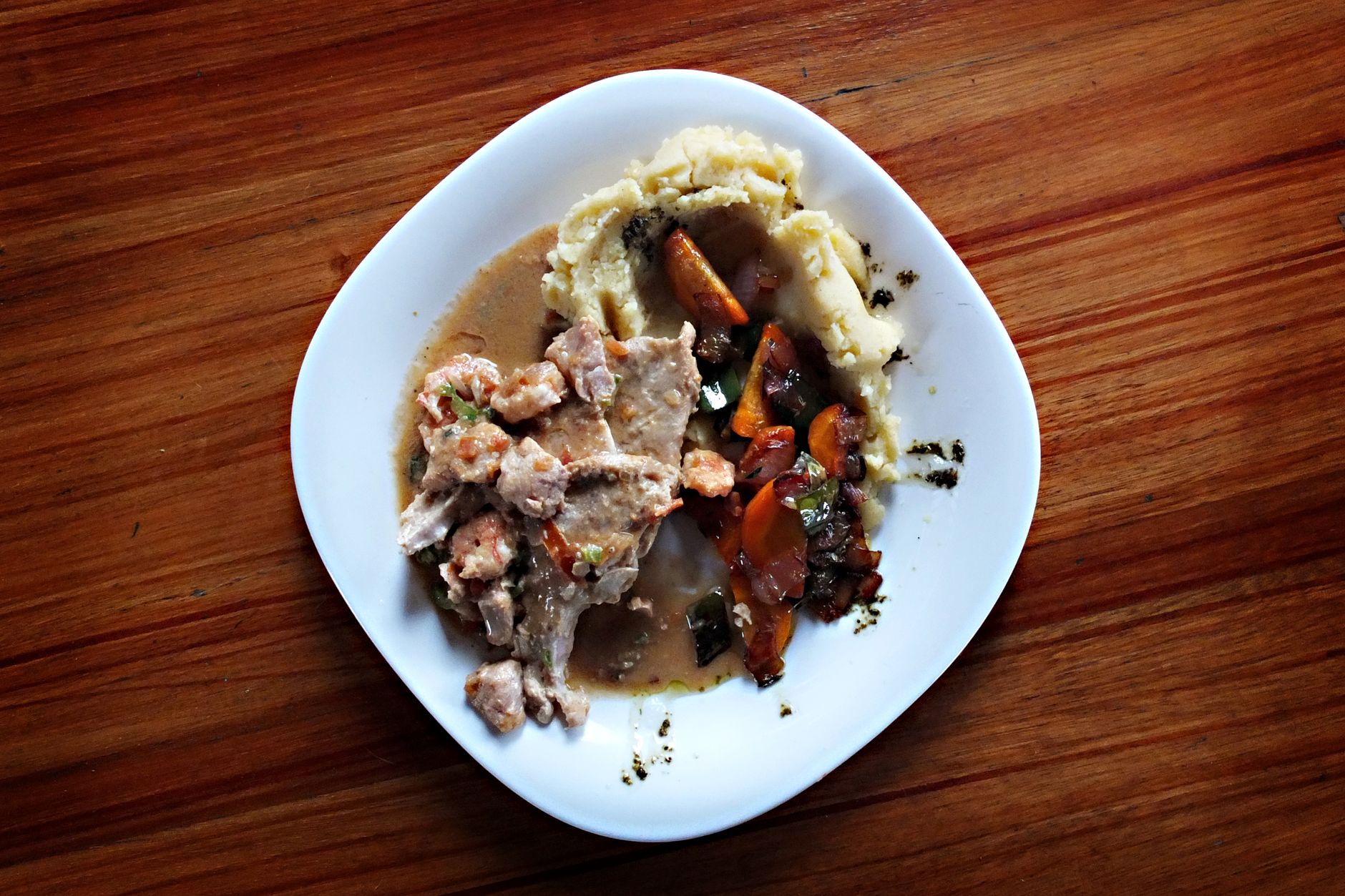
Preparing food at home can be a rewarding experience, transforming simple ingredients into delicious meals. When the phrase “Food is ready” is heard, it symbolizes not only the culmination of cooking labor but also invites everyone to gather and enjoy a nourishing experience. Whether you’re looking for tips on meal planning, cooking techniques, or efficient ingredient use, you’re in the right place.
This guide aims to cover various aspects of meal preparation—ingredients, cooking methods, and practical meal ideas. By understanding these elements, you’ll feel confident when it’s time to declare, “Food is ready!”
What Does “Food Is Ready” Mean in Cooking?
The phrase “Food is ready” indicates that a meal is complete and prepared for serving. This can refer to various stages of food preparation, from finishing the last sauté to pulling a freshly baked dish from the oven. Understanding the context and the methods that lead to this point can elevate your cooking experience.
Understanding Ingredients
Get to know your ingredients! Everything you cook begins with quality components. This section focuses on the essential aspects of various popular cooking ingredients, their uses, and what makes them unique.
Proteins
- Chicken: Versatile and widely consumed, chicken can be grilled, baked, or stir-fried. It’s essential to cook chicken to an internal temperature of 165°F for safety.
- Beef: Rich in flavor, beef can be prepared in numerous ways, from steaks to stews. Different cuts require various cooking methods for optimum results.
- Fish: Lean and packed with nutrients, fish can be baked, grilled, or pan-seared. The recommended cooking temperature is 145°F.
Vegetables
- Leafy Greens: Rich in vitamins, they can be consumed raw in salads or cooked. Popular examples include spinach and kale.
- Root Vegetables: Carrots, potatoes, and sweet potatoes add heartiness to dishes. Roasting enhances their natural sweetness.
- Cruciferous Vegetables: Broccoli and cauliflower are both nutritious and can be steamed, roasted, or added to stir-fries.
Herbs and Spices
- Fresh Herbs: Basil, cilantro, and parsley add freshness and flavor. They’re best added toward the end of cooking.
- Spices: Cumin, paprika, and black pepper can enhance a dish’s depth. Toasting spices briefly before adding them can intensify their aroma.
Cooking Techniques to Get Food Ready
Mastering different cooking techniques can make meal preparation more efficient and enjoyable. Each method serves a unique purpose and can dramatically alter the final flavor and texture of your dishes.
Baking
Baking is a dry heat method that requires precise temperature control. Ideal for breads, cakes, and casseroles, it usually involves cooking food in an oven. Key points to remember include:
- Preheating the oven to the recipe’s specified temperature.
- Using the correct bakeware size, as it influences cooking times.
- Understanding whisking and folding techniques for incorporating air into batters.
Sautéing
Sautéing is a quick cooking method using a small amount of fat in a hot pan. This method is excellent for cooking vegetables and proteins quickly while retaining texture and flavor. Here’s how to do it correctly:
- Heat a skillet and add a small amount of oil.
- Add your ingredients in small batches to avoid steaming.
- Stir constantly and cook until tender or browned.
Grilling
Grilling imparts a smoky flavor and attractive char lines on food. Utilize either a gas or charcoal grill, and remember these tips:
- Preheat the grill for even cooking.
- Oil the grill grates to prevent sticking.
- Use a food thermometer to ensure meats are cooked to safe temperatures.
Roasting
Roasting involves cooking food in an oven at high temperatures, ideal for large cuts of meat and root vegetables. Important considerations include:
- Seasoning your food before roasting for better flavor.
- Cooking times depend on the size and type of food. Using a meat thermometer ensures safety.
Meal Planning Made Easy
Meal planning simplifies your week, helping you save time and reduce waste. It allows for balanced meals that meet dietary preferences. Here are essential steps for effective meal planning:
Establish Your Routine
- Determine how many meals you want to prepare each week.
- Based on your lifestyle, assign specific days for cooking and reheating meals.
Select Recipes
Simplify your choices by selecting recipes that use overlapping ingredients. This can help minimize shopping hassles and reduce food waste. Consider dishes that can be modified easily, such as:
- Stir-fry with various proteins and vegetables.
- Grain bowls utilizing grains, beans, and seasonal vegetables.
- Casseroles that can be prepared in advance and reheated.
Create a Grocery List
After selecting your recipes, create a grocery list based on the ingredients needed. Group items by sections of the store to streamline your shopping trip.
Embracing Meal Prep
Meal prep extends the concept of meal planning by emphasizing the preparation phase ahead of time. This can be particularly useful for busy individuals or families. Here are some practical strategies:
Batch Cooking
Cook large quantities of staple foods like rice, beans, or roasted vegetables at once. Store them in portioned containers for easy incorporation into meals later in the week.
Freezing Meals
Freezing is an excellent way to preserve meals and ingredients. Use airtight containers or vacuum bags to prevent freezer burn:
- Soups and stews often freeze well and maintain quality.
- Cooked grains and legumes can be portioned and frozen.
Organized Storage
Label containers with the contents and date they were prepared to keep track of freshness. Remember to store food in appropriate sizes to enhance reheating efficiency.
Serving Ideas for Every Occasion
How you present your food can significantly impact the dining experience. Here are several serving ideas that will make it easy to declare, “Food is ready!” with style:
Casual Family Meals
For relaxed gatherings, consider serving build-your-own options. This encourages participation and customization:
- Taco bars with proteins, toppings, and tortillas.
- Pasta stations with various sauces and garnishes.
Formal Dinners
For more sophisticated occasions, elevate your presentation:
- Plate food beautifully on individual dishes, considering color balance and height.
- Use garnishes that complement the dish, like microgreens or edible flowers.
Outdoor Events
When serving meals outdoors:
- Use disposable yet high-quality plates and utensils to ease cleanup.
- Incorporate portable and easy-to-eat items, such as skewers and wraps.
How to Know When Food Is Ready
There are various methods to determine if food is prepared and safe to eat. Here are a few tips to help you gauge when food is ready:
Using a Food Thermometer
A food thermometer is essential for ensuring proteins are cooked to the correct temperature. Common safe temperatures include:
- Poultry: 165°F
- Beef (ground): 160°F
- Pork: 145°F with a three-minute rest.
- Fish: 145°F
Visual Cues
Become familiar with the visual indicators of doneness in various foods:
- Ground meat should no longer be pink inside.
- Vegetables should be vibrant in color but still maintain crispness.
Storage and Reheating Considerations
Food storage and reheating are vital components of successful meal preparation and planning. Proper methods help maintain food quality and safety.
Storage Tips
- Store leftovers in airtight containers to keep them fresh.
- Refrigerate cooked food within two hours to curb bacteria growth.
Reheating Safely
When reheating, ensure food reaches at least 165°F to eliminate any potential bacteria:
- Use a microwave for quick reheating, but stir food halfway through to avoid cold spots.
- Ovens or stovetops work well for larger quantities, as they provide even heat.
Avoiding Common Mistakes
Even experienced cooks can make errors. Here are some common pitfalls and how to avoid them:
Overcrowding the Pan
When sautéing or frying, overcrowding can cause steaming instead of browning. Cook in smaller batches for better results.
Ignoring Cooking Times
Each food has specific cooking times; ignoring these can result in undercooked or burnt meals. Use timers and thermometers to help gauge appropriately.
Conclusion
Mastering the phrase “Food is ready” is not just about cooking; it encompasses understanding ingredients, techniques, and timing. By following these guidelines, you can confidently prepare meals that delight your family and friends, whether it’s a casual gathering or a formal dinner.
For further insights on food storage, visit how long does cooked chicken last? and learn about cooking ribs wrapped in foil in oven.