
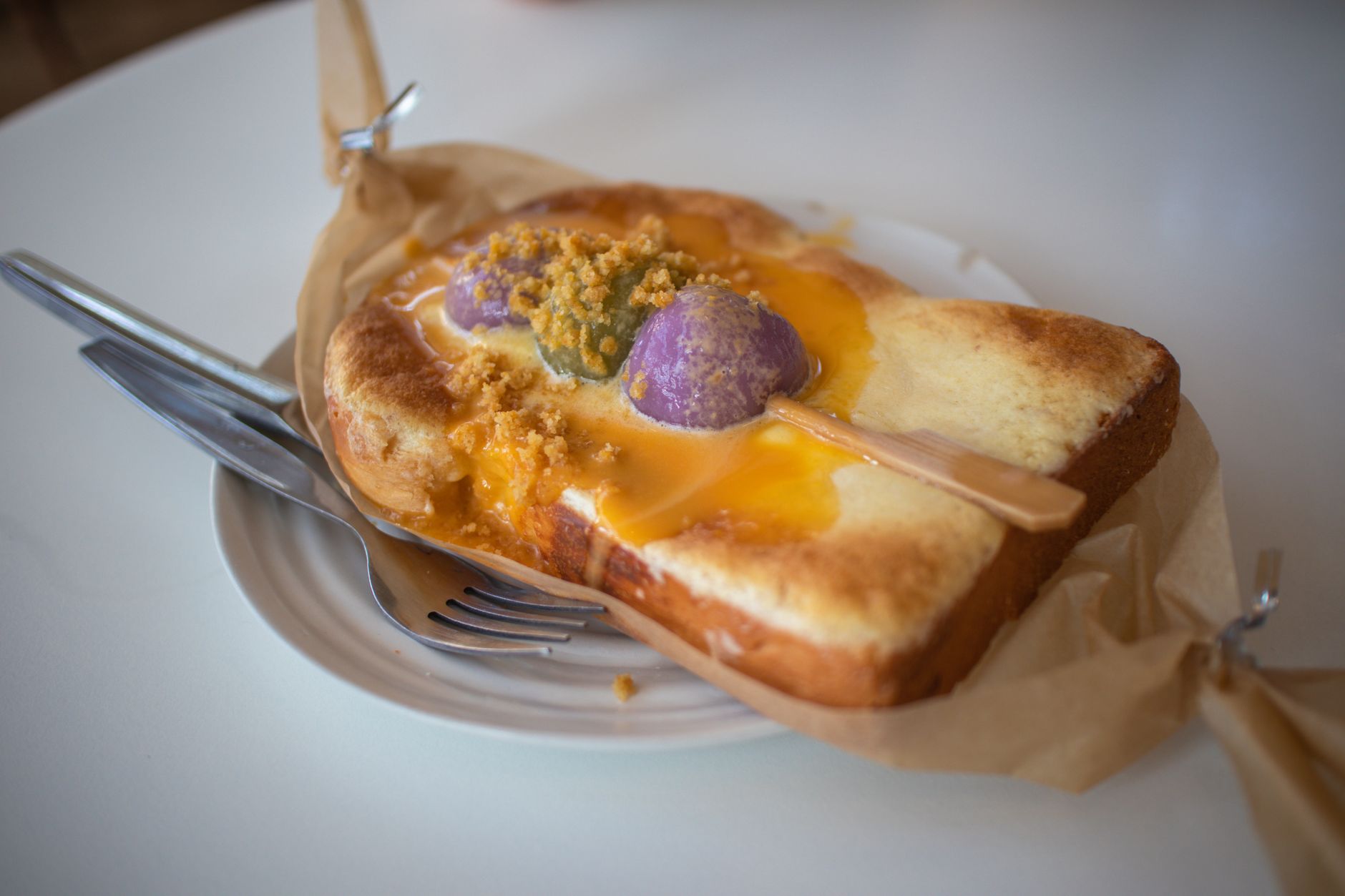
Ube, also known as purple yam, is a vibrant tuber that hails from the Philippines and has gained popularity worldwide for its stunning color and unique flavor. This ingredient is not only a feast for the eyes but also offers a delightful taste that can enhance both sweet and savory dishes.
With its rich history and versatile culinary applications, understanding ube can open a world of delicious possibilities in your kitchen. Whether you’re looking to incorporate it into desserts or savory meals, this guide will provide you with all the essential facts about ube, its uses in the kitchen, and serving ideas that will make your dishes stand out.
What Is Ube?
Ube is a starchy tuber that belongs to the Dioscorea alata plant. Often mistaken for taro, it is distinct due to its deep purple hue, which comes from the abundance of anthocyanins—a type of antioxidant. Ube is traditionally used in Filipino cuisine, appearing in various dishes from desserts like ube halaya (purple yam jam) to ube ice cream and even savory options like ube bread.
Food Facts About Ube
- Nutritional Value: Ube is high in carbohydrates but also offers nutritional benefits such as dietary fiber, vitamins A and C, and potassium.
- Taste and Texture: Ube has a mildly sweet and nutty flavor with a creamy texture, making it suitable for both sweet and savory dishes.
- Availability: Ube can be found in Asian grocery stores, specialty markets, and health food stores, often sold fresh, frozen, or in powder form.
- Culinary Uses: This versatile ingredient can be used in a variety of recipes, including cakes, pastries, ice creams, and even savory dishes.
- Storage: Whole, unpeeled ube can be stored in a cool, dark place for several weeks. Cooked ube should be refrigerated and consumed within a few days.
Kitchen Uses of Ube
Ube’s unique color and flavor make it an excellent ingredient for a range of dishes. Here are some popular culinary uses:
1. Ube Desserts
In the realm of desserts, ube is a star ingredient. Its naturally sweet flavor pairs well with various sweeteners and dairy products, complementing everything from cakes to pastries. Here are a few dessert ideas:
- Ube Halaya: A traditional Filipino dessert made by boiling and mashing ube, then cooking it with condensed milk and butter until it thickens.
- Ube Cupcakes: Moist, purple-hued cupcakes that can be topped with cream cheese frosting or ube-flavored icing.
- Ube Ice Cream: Creamy and rich ice cream that’s sure to impress with its vibrant color and unique flavor.
2. Ube in Baked Goods
Ube can also be used in various baked items, imparting flavor and color to breads and pastries:
- Ube Bread: A soft and fluffy bread where ube adds a delightful sweetness and color.
- Ube Pudding: A decadent pudding made with ube puree, perfect for a comforting dessert.
- Ube Muffins: Flavored muffins that can be made even healthier by adding nuts or fruits.
3. Savory Dishes Featuring Ube
Although primarily known for its use in sweet dishes, ube also has a place in savory recipes:
- Ube Risotto: A creatively colored risotto where ube substitutes for more traditional ingredients.
- Ube Pancakes: Savory pancakes flavored with ube can offer a new twist on breakfast favorites.
- Ube Fritters: Fried fritters that pair well with a variety of dips or sauces.
Cooking with Ube: Preparation and Techniques
Cooking with ube can be a rewarding experience, but it requires a few essential techniques to ensure the best results. Here’s how to prepare ube for cooking:
1. Selecting Ube
When purchasing ube, look for firm tubers with no cracks or soft spots. The skin should be a rich purple, indicating the quality of the yam inside.
2. Preparing Ube
- Wash the ube thoroughly to remove any dirt.
- Peel the skin using a vegetable peeler, taking care to remove any tough patches.
- Cut the ube into even-sized pieces for consistent cooking.
3. Cooking Techniques
You can cook ube using several methods:
- Boiling: Boil ube pieces until fork-tender, which usually takes about 30-40 minutes. This method is great for making ube halaya.
- Baking: Whole or halved ube can be baked in the oven wrapped in foil until soft.
- Steaming: Steaming ube is another great method, preserving more nutrients than boiling.
Practical Substitutions for Ube
If you don’t have ube on hand or want to make adjustments to your recipes, consider the following substitutes:
- Sweet Potato: While sweeter and less nutty, purple sweet potatoes can mimic the color and texture of ube in dessert recipes.
- Regular Yam: Though less colorful, yams can act as a substitute in savory dishes.
- Taro: This root vegetable can provide a similar texture, but it lacks the sweetness of ube.
Common Mistakes When Cooking with Ube
While cooking with ube can be straightforward, mistakes can happen. Here are some common pitfalls and how to avoid them:
- Overcooking: Ube can become gummy if overcooked. Always check for tenderness, especially when boiling.
- Not peeling properly: Some ube varieties have tough skin; ensure you peel it thoroughly to avoid bitterness.
- Not using enough flavorings: Ube can absorb flavors well, so don’t hesitate to experiment with spices and citrus to enhance your dish.
Tips for Serving Ube Dishes
Presentation often makes a significant impact. Here are some serving suggestions to enhance your ube dishes:
- For desserts, garnish with coconut flakes, toasted nuts, or fresh fruit to create a contrast against the vivid purple.
- Drizzle sweetened condensed milk over ube halaya or ice cream for an indulgent touch.
- Serve savory ube dishes with a bright dipping sauce, such as garlic aioli or tartar sauce, to add depth and balance.
Make-Ahead Ube Ideas
If you want to incorporate ube into your meal prep, consider these make-ahead options:
- Prepare ube halaya and store it in an airtight container for several days—perfect for spreading on toast or topping desserts.
- Make ube cupcakes or muffins in advance and freeze them for quick snacks or breakfast options.
- Cook and mash ube, storing in the refrigerator to use for pancakes or risottos throughout the week.
Storage and Reheating Guidance
To ensure your ube-based dishes stay fresh:
- Cooked ube halaya can be stored in the refrigerator for up to one week.
- Frozen ube can last up to six months. Allow it to thaw in the refrigerator before using it in recipes.
- When reheating, do so gently—microwave in short bursts or reheat on the stove to prevent drying out.
Exploring Ube in Different Cultures
While most associated with Filipino cuisine, ube is used in various cultures. In Hawaii, for example, ube is incorporated into traditional desserts and local delicacies. The versatility of this root vegetable makes it an excellent addition to many global cuisines.
Conclusion
Ube is an exciting ingredient that can add color, flavor, and nutrition to a wide range of dishes. Whether you choose to use it in desserts, baked goods, or savory meals, understanding its versatility will elevate your cooking. Incorporate ube into your next meal for a unique twist, and let its vibrant hue and rich flavor shine.
Discover more about different fruits and vegetables worth trying in your kitchen or explore our recipes and cooking tips for more culinary inspiration.