
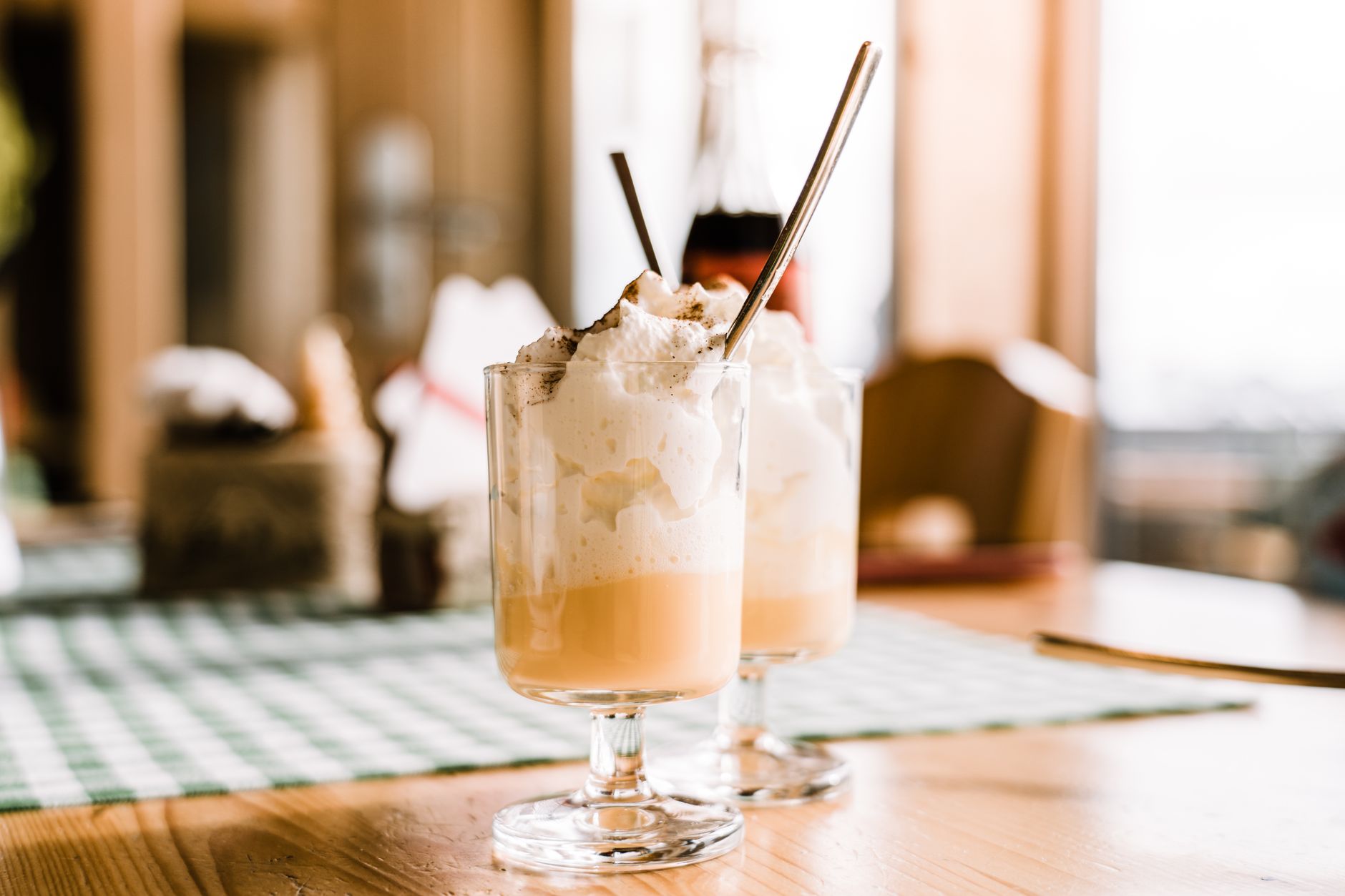
Eggnog is a rich, creamy beverage enjoyed primarily during the holiday season, characterized by its velvety texture and hints of nutmeg, cinnamon, and vanilla. Traditionally made with eggs, milk, sugar, and often alcoholic spirits, eggnog has become a holiday staple with variations and adaptations around the world.
In this article, we’ll explore the history, ingredients, uses, serving ideas, and variations of eggnog, ensuring you have all the knowledge to enjoy or make this festive drink at home.
Eggnog: What Is It?
Eggnog is a holiday drink derived from a combination of eggs, milk, cream, sugar, and spices, sometimes spiked with alcohol such as rum or bourbon. Its smooth, creamy consistency and flavorful spices make it a classic favorite during festive celebrations, particularly in Western countries.
The History of Eggnog
The origins of eggnog can be traced back to medieval England. Initially known as “posset,” it was a warm drink made from milk, spices, and alcohol. As the drink evolved, the term “nog” referred to a strong ale, leading to the modern-day name “eggnog.” The drink gained popularity in America during the 18th century, where it was often associated with celebrations and holiday gatherings.
Essential Ingredients of Eggnog
To create a delicious eggnog, you will need the following essential ingredients:
- Eggs: Provides richness and a creamy texture.
- Milk: Usually whole milk or heavy cream for a richer flavor.
- Sugar: Sweetens the drink, with granulated sugar being the most common choice.
- Spices: Nutmeg and cinnamon for flavor; they add warmth and aromatic qualities.
- Vanilla extract: Enhances the overall flavor of the drink.
- Optional alcohol: Such as rum, bourbon, or brandy, for those who prefer a spiked version.
How to Make Traditional Eggnog
Making traditional eggnog can be done in a few simple steps. Here’s a foundational recipe to get you started:
Yield:
Serves about 6-8 cups
Preparation Time:
15 minutes
Cooking Time:
20 minutes
Total Time:
35 minutes
Ingredients:
- 6 large eggs
- 3/4 cup granulated sugar
- 4 cups whole milk
- 1 cup heavy cream
- 1 teaspoon vanilla extract
- 1/2 teaspoon ground nutmeg (plus extra for garnish)
- 1/4 teaspoon ground cinnamon
- 1-1/2 cups rum, bourbon, or brandy (optional)
Essential Equipment:
- Mixing bowl
- Whisk or electric mixer
- Medium saucepan
- Measuring cups and spoons
- Fine-mesh strainer (optional)
- Pitcher or bowl for serving
Step-by-Step Instructions:
- In a large mixing bowl, whisk together the eggs and sugar until the mixture is thick and pale.
- In a medium saucepan over medium heat, combine the milk and heavy cream. Heat until it begins to steam but is not boiling.
- Carefully temper the egg mixture by gradually adding the hot milk mixture while continuously whisking. This prevents the eggs from scrambling.
- Transfer the entire mixture back to the saucepan and cook over low heat for about 10 minutes, stirring constantly, until slightly thickened (it should coat the back of a spoon).
- Remove from heat and stir in vanilla extract, nutmeg, and cinnamon. If desired, strain the mixture through a fine-mesh strainer into a pitcher to remove any cooked egg bits.
- Allow the eggnog to cool slightly, then stir in the alcohol if using. Refrigerate until chilled (at least 2 hours).
- Serve in chilled mugs or glasses garnished with an extra sprinkle of nutmeg or cinnamon.
Variations of Eggnog
While traditional eggnog is delicious on its own, a variety of adaptations can enhance or modify its flavor. Here are some popular variations:
Vegan Eggnog
If you’re looking for a plant-based version, you can substitute dairy and eggs with almond milk or coconut milk and a few mashed bananas or silken tofu for creaminess. Sweeten with maple syrup and add nutmeg and cinnamon for flavor.
Chocolate Eggnog
For chocolate lovers, add cocoa powder or melted chocolate to the traditional recipe. Use chocolate-flavored almond milk or shake in some chocolate liqueur for an indulgent dessert drink.
Iced Eggnog
In warmer climates, iced eggnog can be refreshing. Simply make the traditional eggnog and serve it over ice. Garnish with whipped cream and shaved chocolate for an elegant touch.
Spiced Eggnog
Add exotic spices like cardamom, ginger, or clove to elevate the flavor profile. This can create a delightful twist on traditional eggnog, appealing to those who love warm spices.
Serving Suggestions for Eggnog
When it comes to serving eggnog, there are several delightful ways to present this festive beverage:
Chilled Glasses
Serve eggnog in chilled glasses or mugs to enhance its creamy texture and create a luxurious drinking experience.
Garnishes
Common garnishes include a sprinkle of nutmeg or cinnamon, a cinnamon stick as a stirrer, or a dollop of whipped cream on top for added richness.
Accompaniments
Consider pairing eggnog with holiday treats such as cookies, gingerbread, or fruitcake to create a festive atmosphere.
Common Mistakes When Making Eggnog
Even with a straightforward recipe, it’s easy to make some common mistakes when preparing eggnog. Here are some pitfalls to watch for:
- Not tempering the eggs: Adding hot milk too quickly to the eggs can cause them to cook too rapidly and form clumps or scrambled eggs.
- Overcooking: Allowing the mixture to get too hot can lead to curdled eggs instead of a smooth beverage. Always keep the heat low and stir constantly.
- Skipping the refrigeration: Eggnog benefits from chilling, allowing the flavors to meld and develop fully.
Storage and Make-Ahead Tips
Eggnog can be made ahead of time, which is advantageous during the busy holiday season. Follow these storage guidelines:
- Refrigerate: Store homemade eggnog in an airtight container in the refrigerator, where it can be kept for up to three days.
- Freezing: While eggnog may not freeze well due to its dairy content, if you choose to freeze it, use a freezer-safe container but expect a change in texture upon thawing.
Alcohol Use in Eggnog
Adding alcohol to eggnog is a personal choice and can enhance the flavor. Common spirits used are:
- Rum: A traditional choice, particularly dark rum for a deeper flavor.
- Bourbon: Adds a sweet, rich undertone that complements the spices in eggnog.
- Brandy: Offers a smooth and aromatic finish.
If you’re serving eggnog to a group, consider offering a non-alcoholic version alongside the alcoholic one so that everyone can enjoy it, regardless of their preference.
Festive Cocktails Featuring Eggnog
Eggnog is versatile and can be used in cocktails. Here are a couple of ideas:
Eggnog Martini
Combine one part eggnog with one part vanilla vodka and a splash of rum in a shaker with ice. Strain into a chilled martini glass and garnish with ground nutmeg or whipped cream.
Eggnog White Russian
Mix equal parts eggnog and coffee liqueur (like Kahlua) and add a shot of vodka. Serve over ice and stir gently.
Health Considerations
While eggnog is a festive treat, it’s important to enjoy it in moderation due to its rich ingredients. Traditional eggnog can be high in sugar and calories, especially when alcohol is added. For those managing dietary concerns, consider modifications like lower-fat milk, the use of fewer eggs, or sugar substitutes.
Exploring Eggnog Around the World
Eggnog isn’t just a staple in North America; various countries have their own versions of similar drinks:
- Latvia: Known as “Piens,” a dairy-based beverage flavored with spices and often enjoyed warm.
- Puerto Rico: “Coquito” features coconut milk, rum, and spices, resulting in a rich and creamy drink.
- Mexico: “Rompope” is an eggnog inspired drink made with eggs, milk, sugar, and flavored with cinnamon and vanilla.
Final Thoughts on Eggnog
Eggnog is a delightful tradition during the winter holidays, offering a creamy and comforting drink that brings warmth and joy to the season. Whether you enjoy it in its classic form or explore various adaptations, eggnog has a place in festive gatherings and celebrations.
It’s an excellent opportunity to try making your own eggnog at home or to experiment with unique variations that suit your taste. And if you are looking to expand your holiday drink repertoire, consider exploring related recipes such as those featuring molasses or a warming wassail.
For related insights and recipes, check out what is molasses made from and a wassail recipe.