
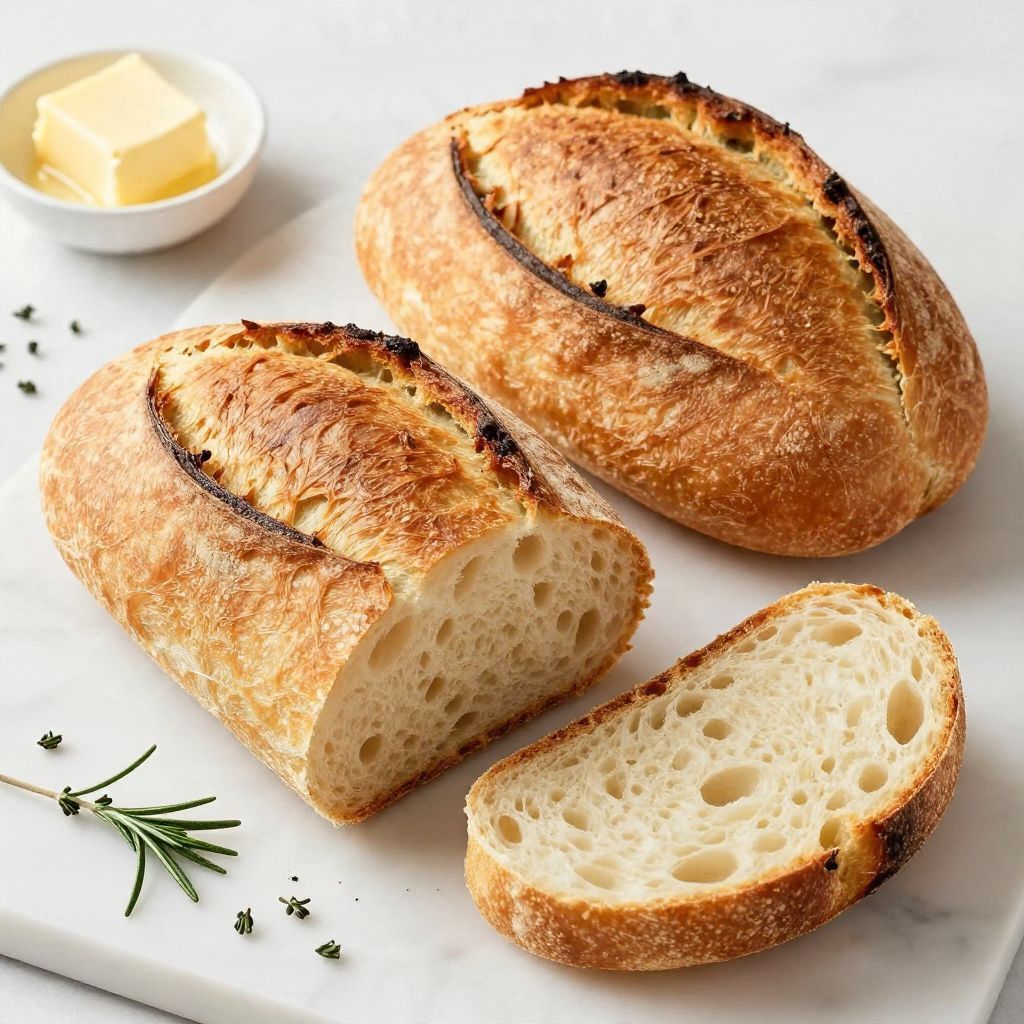
There’s something magical about the aroma of fresh bread filling your home, isn’t there? With this Easy French Bread Recipe, you can create a crusty, golden loaf that’s perfect for sandwiches, toast, or simply slathering on butter.
This recipe stands out because it requires minimal effort while delivering a delightful texture and flavor. You’ll love how versatile it is, making it a must-try for both novice and experienced bakers alike.
Why You’ll Love This Recipe
This recipe is a winner for many reasons.
- Quick and simple with just a few ingredients.
- Produces a lovely crust with a soft interior.
- Perfect for any occasion, from dinners to picnics.
- Great for beginners and experienced bakers alike.
- Can be easily customized with herbs or toppings.
My Experience Making This Recipe
The first time I made this bread, I couldn’t believe how simple it was. As the dough rose, the sweet smell of yeast filled my kitchen, making me feel like a professional baker.
When it came out of the oven, the golden crust crackled as I sliced into it, revealing a soft, pillowy inside. It vanished quickly at dinner, leaving only crumbs and happy faces behind.
Recipe Overview
- Recipe Name: Easy French Bread
- Servings: 2 loaves
- Prep Time: 15 minutes
- Cook Time: 30 minutes
- Total Time: 45 minutes
- Course: Bread
- Cuisine: French
- Calories per Serving: 150
Equipment You Will Need
- Large mixing bowl
- Wooden spoon or spatula
- Floured surface for kneading
- Baking sheet or pizza stone
- Sharp knife or bread lame
- Kitchen towel or plastic wrap
Ingredients for Easy French Bread
- 4 cups all-purpose flour
- 1 ½ cups warm water (110°F)
- 2 teaspoons salt
- 2 teaspoons sugar
- 2 ¼ teaspoons active dry yeast
Ingredient Notes and Substitutions
- All-purpose flour: This is the base for the bread, providing structure. You can substitute with bread flour for a chewier texture.
- Warm water: Activates the yeast, helping the dough rise. If you don’t have warm water, just use room temperature, but the rise may be slower.
- Salt: Enhances flavor and strengthens the dough. You can use sea salt or kosher salt if preferred.
- Sugar: Feeds the yeast for better fermentation. Honey or maple syrup can be used as a natural alternative.
- Active dry yeast: Essential for leavening. Instant yeast can be substituted in the same amount without needing to proof it first.
How to Make Easy French Bread
Step 1: Activate the Yeast
In a small bowl, combine warm water, sugar, and yeast. Let it sit for about 5 minutes until foamy, indicating the yeast is active.
Step 2: Mix the Dry Ingredients
In a large mixing bowl, whisk together the flour and salt. This ensures even distribution of the salt throughout the dough.
Step 3: Combine Wet and Dry Ingredients
Pour the yeast mixture into the dry ingredients. Stir until combined, forming a shaggy dough.
Step 4: Knead the Dough
Turn the dough out onto a floured surface. Knead for about 8-10 minutes until smooth and elastic, which develops the gluten structure.
Step 5: First Rise
Place the kneaded dough in a greased bowl and cover with a kitchen towel. Let it rise in a warm place for 1 hour or until doubled in size.
Step 6: Shape the Loaves
Once risen, punch down the dough to release air. Divide it in half and shape each piece into a loaf, making sure to tuck in the sides for a smooth surface.
Step 7: Second Rise
Place the shaped loaves on a baking sheet lined with parchment paper. Cover and let rise for another 30 minutes until puffy.
Step 8: Bake the Bread
Preheat your oven to 375°F. Make diagonal slashes on the top of each loaf with a sharp knife, then bake for 25-30 minutes until golden brown.
Pro Tip: For an extra crispy crust, place a pan of hot water in the oven during baking to create steam.
Tips for the Best Easy French Bread
- Use a kitchen scale for precise measurements to ensure consistent results.
- Let your dough rise in a warm, draft-free area for optimal yeast activity.
- Brush the loaves with melted butter after baking for a richer flavor.
- Experiment with adding herbs or garlic to the dough for unique flavors.
- Store leftover bread in a paper bag to keep it crusty.
Common Mistakes to Avoid
- Not using warm water can slow yeast activation and lead to a dense loaf.
- Skipping the second rise will result in less airy bread.
- Over-kneading can make the bread tough; knead just until smooth.
- Failing to slash the dough can cause the bread to split unexpectedly while baking.
Serving Suggestions
This bread is incredibly versatile and pairs well with many dishes.
- Serve it warm with butter and jam.
- Use it for hearty sandwiches or toast.
- Pair it with soups and salads for a complete meal.
- Enjoy it alongside cheese and charcuterie.
Variations to Try
- Add herbs like rosemary or thyme for a fragrant loaf.
- Incorporate cheese such as cheddar or parmesan into the dough for a savory twist.
- Top with seeds like sesame or poppy before baking for added texture.
- Mix in garlic for a deliciously aromatic variation.
Dietary Adaptations
- Gluten-free: Use a gluten-free flour blend and add xanthan gum for structure.
- Dairy-free: This recipe is already dairy-free; enjoy as is!
- Vegan: The recipe is vegan; just ensure your sugar is bone char-free.
- Low-carb/Keto: Replace flour with almond or coconut flour, but adjust the liquid accordingly.
Storage and Reheating
Refrigerator
Store leftover bread in a sealed plastic bag or container.
- Keep for up to 3 days in the fridge.
Freezer
For longer storage, freeze the bread.
- Wrap it tightly in plastic wrap and then foil to prevent freezer burn.
- Keep for up to 3 months.
Reheating
Reheat the bread in the oven for a few minutes for that fresh-baked taste.
- Wrap in foil to retain moisture if necessary.
Nutrition Information
| Nutrient | Amount |
|---|---|
| Calories | 150 |
| Total Fat | 0.5 g |
| Saturated Fat | 0 g |
| Carbohydrates | 30 g |
| Fiber | 1 g |
| Sugar | 1 g |
| Protein | 4 g |
| Sodium | 310 mg |
| Cholesterol | 0 mg |
This nutrition information is an estimate and may vary based on specific ingredients used.
Frequently Asked Questions
Can I make this bread ahead of time?
Yes, you can prepare the dough and let it rise, then refrigerate it overnight before baking.
What if my dough is too sticky?
Add a little more flour, a tablespoon at a time, until it’s manageable without being dry.
How do I store leftover bread?
Wrap it in a paper bag to keep the crust crisp and store it at room temperature for a few days.
Why is my bread dense?
This can happen due to not enough kneading or letting the dough rise properly; make sure to follow the steps closely.
Can I use instant yeast instead of active dry yeast?
Absolutely! Use the same amount and skip the proofing step.
Final Thoughts
Making your own bread is a rewarding experience, and this Easy French Bread Recipe makes it a breeze. I encourage you to give it a try; the taste of freshly baked bread is simply unbeatable.
For more delicious bread ideas, check out this easy sourdough bread recipe or learn how to make a sourdough baguette for a delightful twist!