
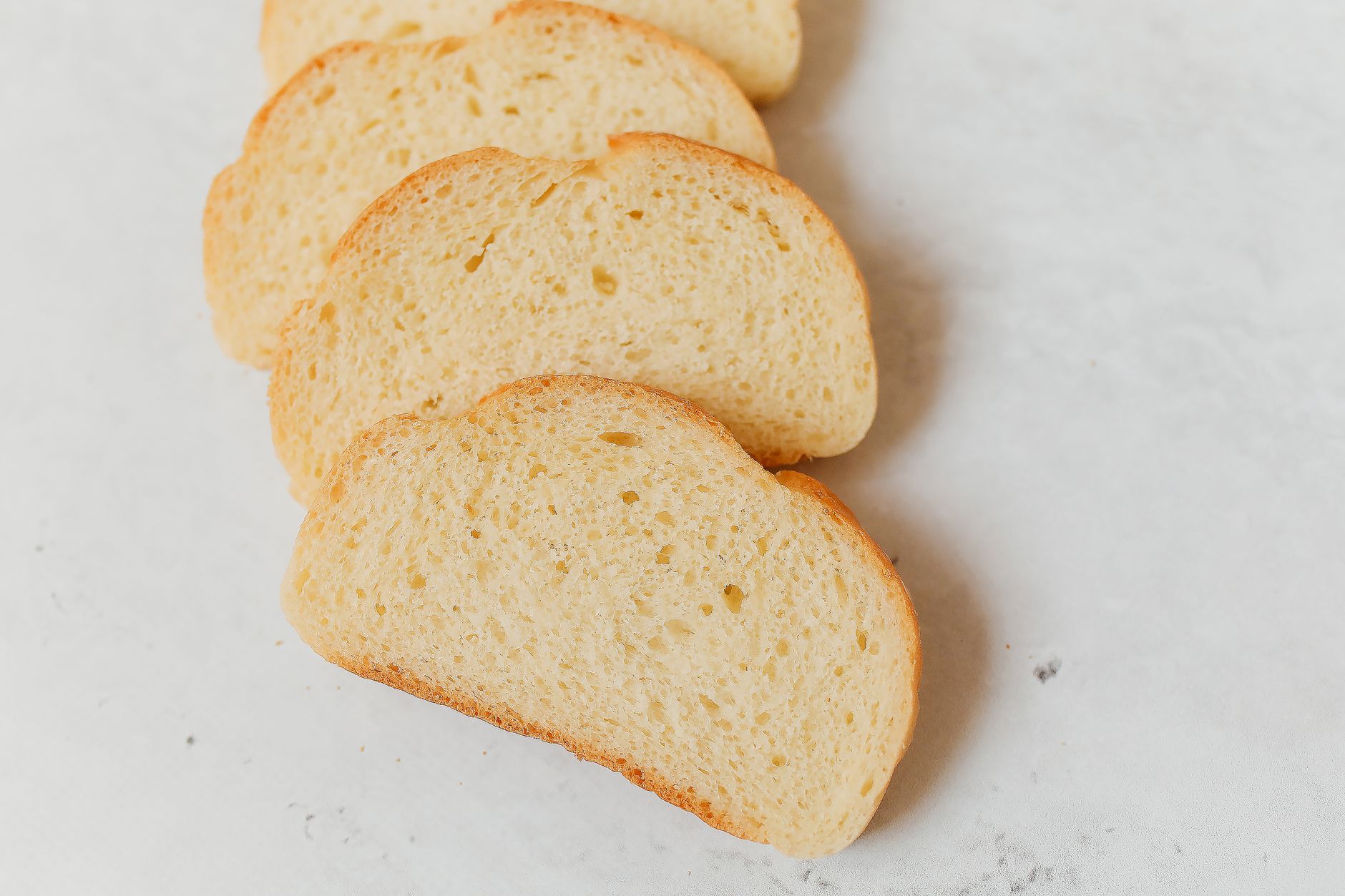
White bread is a staple in many households around the world, widely enjoyed for its soft texture and mild flavor. However, one common question regarding its nutritional profile is whether white bread contains fiber. The answer is nuanced, as the fiber content is far lower in white bread compared to whole grain alternatives.
This article delves into fiber in white bread, breaking down its nutritional aspects, the differences between white and whole grain bread, how to incorporate fiber into your diet, and practical tips for those who rely on white bread. Understanding these elements can guide your food choices and meal planning.
Does White Bread Have Fiber?
White bread typically contains only a small amount of fiber, averaging about 0.5 to 1 gram per slice, depending on the specific brand and recipe. In contrast, whole grain bread generally provides between 2 to 3 grams of fiber per slice, making it a significantly better choice for those seeking to increase their fiber intake.
The Basics of Fiber
Fiber is a type of carbohydrate that the body cannot digest, meaning it passes through the digestive system mostly intact. It plays an essential role in maintaining digestive health and can aid in regulating blood sugar levels and reducing the risk of heart disease.
There are two main types of fiber:
- Soluble Fiber: This type dissolves in water and can help lower glucose levels and cholesterol. Foods rich in soluble fiber include oats, barley, nuts, seeds, beans, lentils, peas, and some fruits and vegetables.
- Insoluble Fiber: This type doesn’t dissolve in water and helps to add bulk to the stool, promoting regular bowel movements. Whole grains, wheat bran, nuts, and vegetables like cauliflower, green beans, and potatoes are excellent sources.
White Bread vs. Whole Grain Bread
Comparing the fiber content of white bread to that of whole grain alternatives highlights stark differences. The process of making white bread involves milling and refining wheat, which removes the bran and germ, the parts that contain most of the fiber, vitamins, and minerals. As a result, white bread is less nutritious than whole grain bread, which retains these components and offers more health benefits.
Nutrition Breakdown
To illustrate the differences, let’s look at the nutritional content of white bread compared to whole grain bread:
| Nutritional Component | White Bread (per slice, approx. 25g) | Whole Grain Bread (per slice, approx. 28g) |
|---|---|---|
| Calories | 70-80 | 70-90 |
| Fiber | 0.5 – 1g | 2 – 3g |
| Protein | 2-3g | 3-4g |
| Sugar | 1-2g | 1-2g |
| Fat | 1g | 1g |
This table serves as a general guideline. Variations exist depending on the brand and specific ingredients used, so always check the nutrition label for accurate information.
How to Increase Your Fiber Intake While Enjoying White Bread
For those who enjoy white bread but want to boost their fiber intake, there are several strategies you can employ:
- Add Vegetables: Include high-fiber vegetables in your sandwich, such as lettuce, spinach, tomatoes, cucumbers, or peppers. They add not only fiber but also vitamins and flavor.
- Incorporate Legumes: Use spreads or fillings that include beans or lentils, which are rich in fiber. Hummus made from chickpeas can be an excellent addition to sandwiches or wraps.
- Choose Fiber-Rich Toppings: Opt for toppings that naturally contain fiber, like avocado or nut butters. They will enhance both taste and nutritional value.
- Pile on Fruits: Adding fruit slices, such as apples or pears, can improve your fiber intake, especially when combined with nut butter.
- Consider Sprouted Bread: Some brands offer sprouted white bread, which contains more fiber than traditional white bread while maintaining a similar taste and texture.
Common Misconceptions about White Bread and Fiber
There are many myths surrounding white bread that can lead to confusion regarding its health implications. Here are some clarifications:
- White Bread is Unhealthy: While it is lower in fiber and nutrients compared to whole grain bread, white bread can still be part of a balanced diet when consumed in moderation alongside other whole foods.
- All Bread is Created Equal: Not all bread is the same. Some white bread varieties are enriched with vitamins and minerals after processing, which can offer some nutritional benefits.
- Fiber Isn’t Necessary if You Eat Other Foods: Many people believe they can compensate for low-fiber foods by eating other nutritious options. However, directly incorporating fiber-rich foods into meals is critical for digestive health.
Recipes to Enhance Your Fiber Intake
If you’re looking to create meals that incorporate fiber while still enjoying that classic white bread taste, here are some quick recipe ideas:
Veggie-Packed Sandwich
Yield: 1 sandwich
Preparation Time: 5 minutes
- 2 slices of white bread
- 1 tablespoon of hummus
- 1/2 cup of mixed greens
- 1/4 cup of sliced cucumbers
- 1/4 cup of shredded carrots
- Salt and pepper to taste
- Spread hummus evenly on one side of each slice of bread.
- Layer the mixed greens, cucumbers, and shredded carrots on one slice of bread.
- Season with salt and pepper before topping with the other slice of bread.
- Slice the sandwich in half and enjoy!
Nut Butter & Banana Toast
Yield: 1 toast
Preparation Time: 5 minutes
- 1 slice of white bread
- 1 tablespoon of almond or peanut butter
- 1 small banana, sliced
- Sprinkle of cinnamon (optional)
- Toast the slice of white bread to your desired crispiness.
- Spread nut butter on the toasted bread.
- Top with banana slices and sprinkle with cinnamon, if desired.
Practical Tips for Choosing White Bread
When purchasing white bread, consider the following tips to ensure you’re getting the best product:
- Check Labels: Always read the ingredient list and choose bread with minimal additives and preservatives. Look for products labeled “enriched” or “fortified” for added nutrients.
- Whole Wheat Blend: Some brands offer a blend of white and whole wheat flour, providing more fiber while maintaining a softer texture.
- Freshness Matters: Fresher bread tends to have fewer preservatives, which can be beneficial for health. Try to buy from local bakeries or brands that ensure freshness.
Addressing Dietary Restrictions and Preferences
For those who have dietary restrictions or preferences:
- Gluten-Free Alternatives: If you need to avoid gluten, look for gluten-free bread options, which can vary in fiber content. Some gluten-free breads incorporate high-fiber ingredients like almond flour or legumes.
- Low-Carb Diets: Some low-carb diets discourage the consumption of traditional bread. However, alternatives like lettuce wraps or cauliflower bread can provide different textures and flavors while maintaining low carbohydrate content.
Storage and Shelf Life of White Bread
Storage is another concern for maintaining the quality of your bread:
- Keep It Cool: Store white bread in a cool, dry place away from direct sunlight. This helps to prevent mold growth.
- Seal It Well: Use airtight containers or resealable bags to extend the freshness of the bread. You can also wrap it tight with plastic wrap before placing it in a bag.
- Freezing Bread: If you won’t consume the bread in a week, consider freezing it. Slicing the bread before freezing makes it easy to take just what you need.
Conclusion
White bread does have some fiber, but it is significantly lower than its whole grain counterparts. Understanding its nutritional profile and incorporating fiber-rich foods in combination with white bread can help you maintain a balanced diet. Always consider your dietary needs and preferences when choosing bread.
For more information on nutrition-related topics, you might find our articles on the fiber content in bananas or the nutritional aspects of bread helpful.
Explore our guides for fiber content in bananas here and whether bread is good for you here.