
The question “Does Volkswagen make sausages?” might raise eyebrows, but it’s rooted in a fascinating blend of automotive and culinary curiosity. While Volkswagen is known primarily as an automobile manufacturer, it has ventured into producing a unique culinary product that aligns with its German heritage. This article explores the connection between Volkswagen and sausages, along with interesting facts, recipes, and tips related to sausage making.
Volkswagen’s foray into the sausage market serves as a delightful intersection of food and branding, reflecting the company’s roots in Germany, where sausages are a staple. This article will examine the production of these distinctive sausages, how they can be incorporated into various dishes, and the overall methodology behind homemade sausage making.
Does Volkswagen Make Sausages?
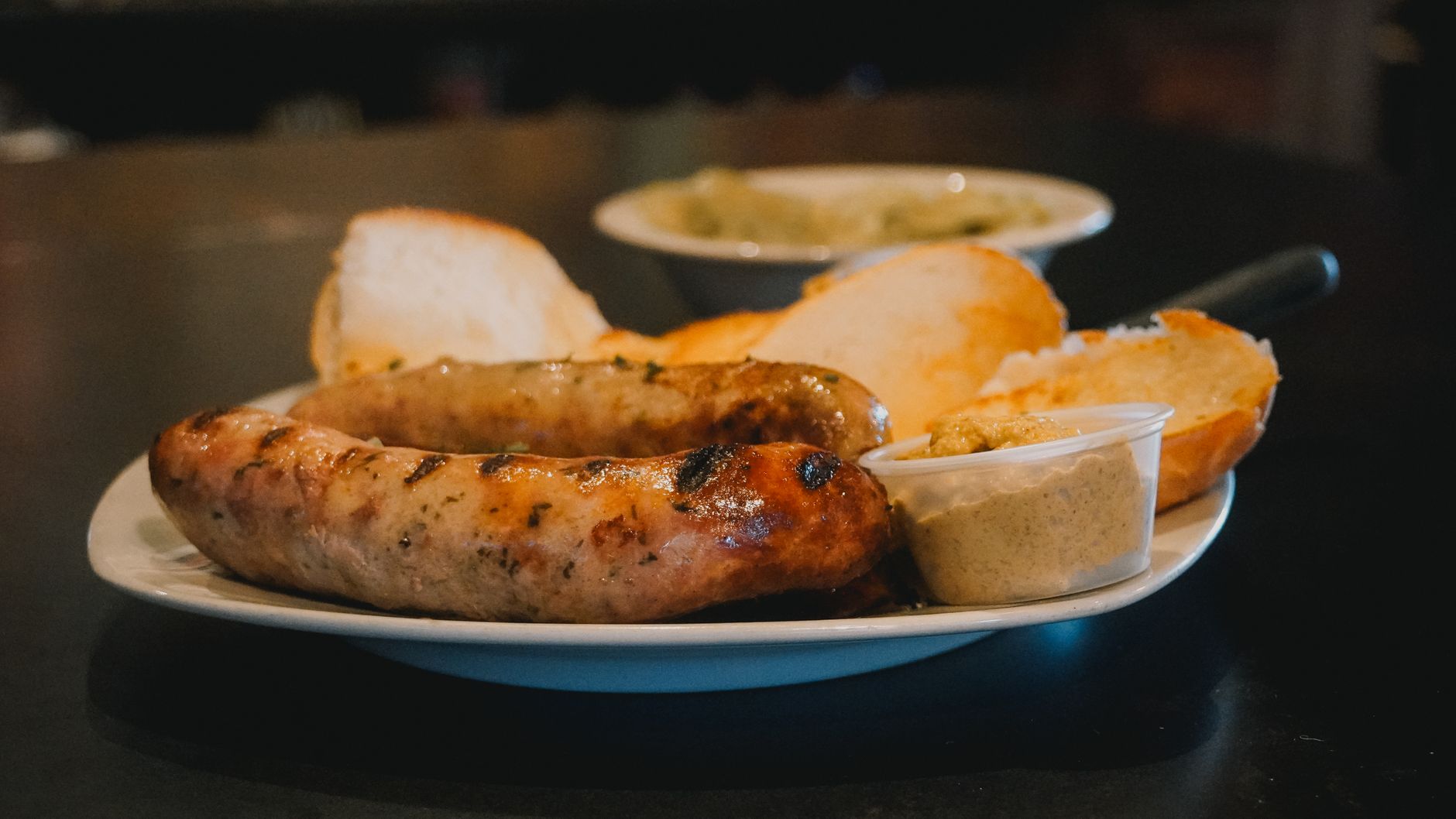
Yes, Volkswagen does make sausages! The company produces a unique product called “Volkswagen Sausage,” which is served at the Autostadt, a visitor attraction near their headquarters in Wolfsburg, Germany. This foray into the culinary world celebrates Germany’s rich sausage-making tradition while providing guests with a taste of local culture.
The Backstory of Volkswagen Sausages
Volkswagen has deep roots in German culture, where sausages are not just food; they are a symbol of tradition and craftsmanship. The Volkswagen Sausage, often humorously referred to as a “VW sausage,” is made to connect visitors with German cuisine and to provide a unique brand experience.
These sausages are typically served at the Autostadt, which houses not only car displays and a factory tour but also restaurants and food stands. The sausages feature high-quality ingredients, reflecting Germany’s rigorous standards for food production.
Sausage Basics: Understanding Types and Ingredients
To truly appreciate Volkswagen’s culinary contribution, it helps to understand the basics of sausage types and ingredients. Sausages can be categorized into two main types: fresh and cured. Each category can include various flavors and styles.
Types of Sausages
- Fresh Sausages: Made from raw meat and typically require cooking before consumption. Common examples are bratwurst and Italian sausage.
- Cured Sausages: Made from ground meat mixed with salt and other preservatives, allowing them to be dried or aged. Good examples include salami and pepperoni.
Main Ingredients in Sausage Making
- Meat: This can be a variety of meats, including pork, beef, lamb, or poultry.
- Fat: Fats enhance flavor and texture; around 20-30% fat is recommended for moist sausages.
- Spices: Common spices include salt, pepper, garlic, and herbs, giving sausages unique flavors.
- Binders: Ingredients like breadcrumbs or a blend of flour can help bind sausages together.
- Casings: Natural casings made from animal intestines or synthetic casings are used to encase the sausage mixture.
Making Your Own Sausages at Home
While Volkswagen’s sausages are a treat when visiting Germany, you can recreate the experience at home by making your own sausages. This not only provides a fun cooking experience but also allows for customization according to personal taste preferences.
Essential Equipment for Sausage Making
- Meat grinder: To grind the meat and fat together.
- Sausage stuffer: To fill the casings with the meat mixture.
- Measuring tools: For accurate spice and fat ratios.
- Mixing bowl: To combine ingredients thoroughly.
- Casings: Either natural or synthetic, depending on preference.
Basic Homemade Sausage Recipe
Yield:
This recipe makes about 5 pounds of fresh sausage.
Preparation Time:
20 minutes (plus additional chilling time).
Cooking Time:
20 minutes.
Total Time:
Approximately 1 hour (includes chilling).
Ingredients:
- 4 pounds of pork shoulder, cubed
- 1 pound of pork fatback, cubed
- 3 tablespoons kosher salt
- 2 teaspoons black pepper
- 1 tablespoon garlic powder
- 1 tablespoon onion powder
- 2 teaspoons crushed red pepper flakes (optional)
- 1/2 cup crushed ice
- Sausage casings (natural or synthetic)
Method:
- Chill the cubed pork and fatback for about 30 minutes until they are firm but not frozen. This will make grinding easier.
- Using a meat grinder, grind the pork shoulder and fatback together into a large mixing bowl. Use a medium grinding plate for a coarser texture.
- Add the kosher salt, black pepper, garlic powder, onion powder, and crushed red pepper flakes to the meat mixture, along with the crushed ice, mixing well to ensure even distribution.
- Pass the mixture through the grinder one more time for a finer texture.
- Rinse the casings in cold water and soak them in water for about 30 minutes. This makes them easier to work with.
- Using a sausage stuffer, fill the casings with the meat mixture, being careful not to overstuff them. Twist sausages every 6–8 inches to create links, tying off the ends securely.
- Once filled, prick each sausage with a needle to allow air to escape, preventing the sausages from bursting during cooking.
- Refrigerate the sausages for at least 12 hours to allow flavors to develop before cooking.
- Cook the sausages by grilling, pan-frying, or baking until they reach an internal temperature of 160°F (71°C).
Common Mistakes and Troubleshooting
- Too Dry: Ensure you use enough fat in your sausage mix; 20-30% fat is ideal. Avoid overcooking the sausages as this can dry them out.
- Uneven seasoning: Always mix the spices thoroughly into the meat; tasting a small bit of the mixture can help affirm that the seasoning is well-distributed.
- Casings breaking: Prick the sausages to release air, and avoid overstuffing the casings.
Serving Suggestions for Sausage
Once you’ve mastered the art of homemade sausage, the next step is figuring out how to serve these flavorful links. Here are a few suggestions:
Classic German Style
Serve the sausages with sauerkraut and a side of mustard. This combination celebrates the traditional German way of enjoying sausages. Add a warm pretzel roll for a complete meal.
Breakfast Sausage
Transform your sausage by mixing different spices, like sage and maple syrup, to create a breakfast-style link. Pair it with scrambled eggs for a hearty breakfast option.
On a Bun
Grill the sausages and serve them in hot dog buns topped with various condiments, such as caramelized onions, cheese, or homemade relish for a simple yet satisfying meal.
Stir-Fry or Pasta Dishes
Slice cooked sausages and toss them into stir-fry dishes or pasta. Their rich flavors can elevate everyday meals by adding protein and zest.
Storing and Preserving Homemade Sausages
Homemade sausages can be stored in several ways for future use.
Refrigeration
Fresh sausages should be cooked or consumed within 1–2 days when stored in the refrigerator. If they go unmade longer, consider freezing them.
Freezing
Wrap uncooked sausages tightly in plastic wrap or vacuum-seal them to prevent freezer burn. They can be stored in the freezer for up to three months. Thaw in the refrigerator before cooking.
Cooking and Reheating
To reheat cooked sausages, thaw them in the fridge and then warm them in a skillet, oven, or microwave until they reach an internal temperature of 165°F (74°C).
Conclusion
While Volkswagen is primarily recognized for vehicles, its sausages offer an enjoyable glimpse into German culture. Making sausages at home is an exciting culinary adventure, allowing for creativity and personalization. Whether you opt for the classic recipes or venture into new flavor territory, homemade sausages can enhance your meals in delightful ways. So why not give it a try and experience sausage making firsthand?
For more culinary inspiration, explore our Andouille Sausage Recipe or discover our Turkey Sausage Recipe. Happy cooking!