
When planning a gathering or simply looking to unwind after a long day, having a selection of beverages is important. Many shoppers often inquire, “Does Target have alcohol?” The answer is yes! Target carries a variety of alcoholic beverages, including beer, wine, and spirits, in select locations.
This article will guide you through the specific types of alcohol available at Target, the ingredients and flavor profiles you might want to consider when selecting drinks, and some serving tips to enhance your experience. Whether you’re shopping for a special occasion or stocking your home bar, knowing what’s available at Target can streamline your planning.
Does Target Have Alcohol?
Yes, Target offers a wide array of alcohol options. However, the availability can vary by state due to local laws regarding the sale of alcohol. In many locations, you can find beer, wine, and spirits in the store. It is always a good idea to check your local Target’s inventory online or call ahead, especially if you’re looking for a specific brand or type of drink.
Types of Alcohol Available at Target
Target stocks a broad selection of alcoholic beverages, catering to various tastes and preferences. Here’s a breakdown of what you can typically find in their stores.
Beer
- Craft Beers: Many Targets now feature local craft beers. These can vary significantly, with options ranging from IPAs to stouts.
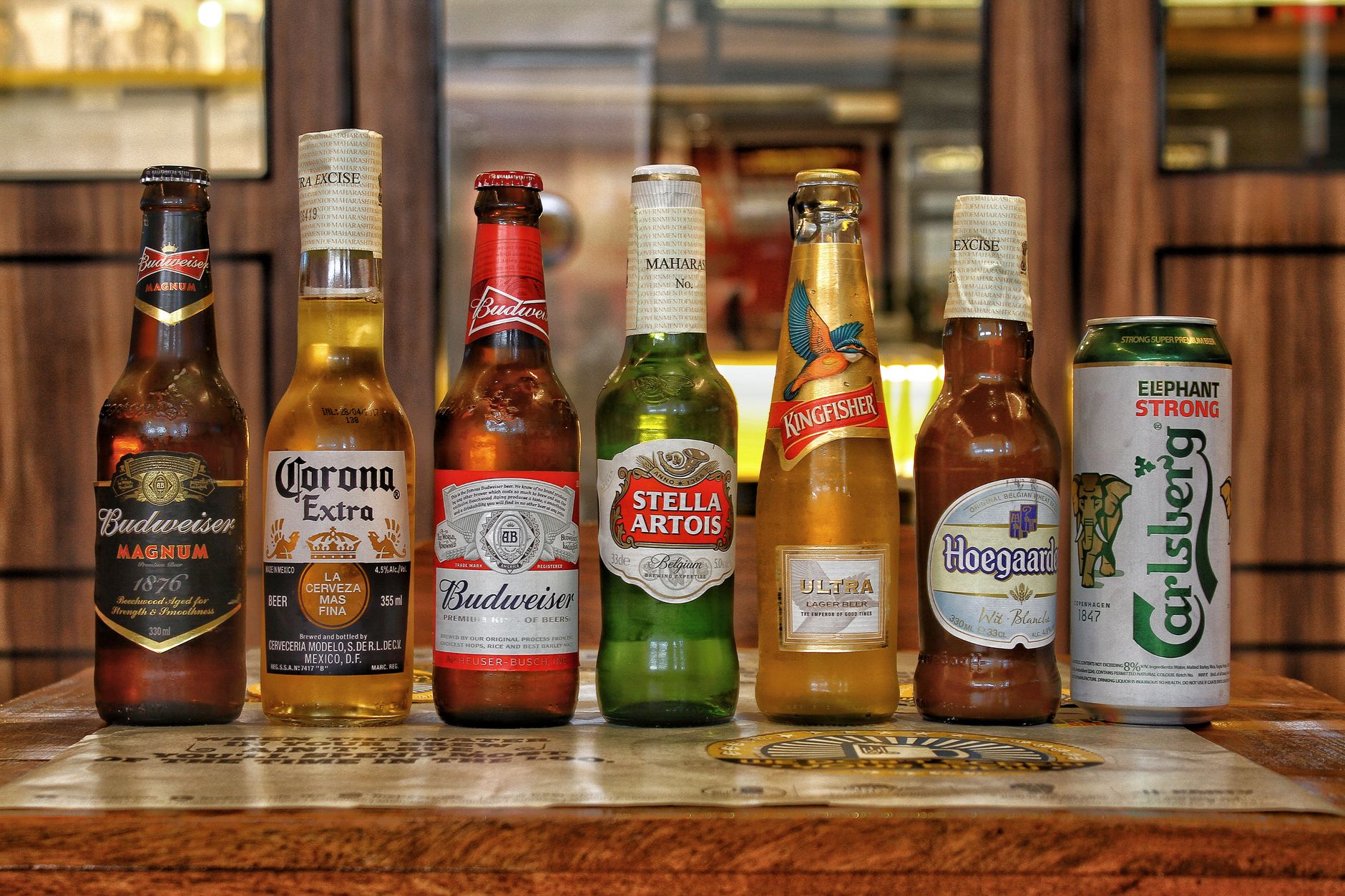
- Domestic and Imported Beers: You’ll find popular brands such as Budweiser, Miller, and Coors, alongside international favorites like Heineken and Corona.
- Hard Seltzers: Brands like White Claw and Truly are popular choices, especially during summer months.
Wine
- Red Wines: Target offers a variety of red wines, from full-bodied cabernets to lighter pinot noirs.
- White Wines: Options usually include chardonnay, sauvignon blanc, and riesling.
- Rosé and Sparkling Wines: A selection of rosé and sparkling wines are also available, catering to celebratory occasions or casual sipping.
Spirits
- Vodka: Common brands like Smirnoff and Tito’s are typically in stock.
- Whiskey: Options include bourbon, scotch, and rye whiskey, with brands like Jameson and Jack Daniel’s available in many locations.
- Gin: Popular choices include Tanqueray and Bombay Sapphire.
- Tequila: Brands such as Jose Cuervo and Patron are usually found in the liquor aisle.
Understanding Alcohol Ingredients
When choosing alcohol, understanding its ingredients can enhance your appreciation and enjoyment. Here’s a look at common alcoholic ingredients.
Beer Ingredients
Beer is primarily made from four ingredients: water, malted barley, hops, and yeast. Each of these plays a crucial role in the flavor and texture of the final product.
- Water: The quality and mineral content contribute significantly to the beer’s flavor.
- Malted Barley: Responsible for the sweetness and body, the malting process develops sugars that yeast will later ferment.
- Hops: Added for bitterness, flavor, and aroma, varieties of hops can range in taste from citrus to piney.
- Yeast: This microorganism ferments the sugars into alcohol and carbon dioxide, contributing to the overall flavor profile.
Wine Ingredients
Wine is primarily made from fermented grapes, but specific varietals may feature additional ingredients. Here’s a closer look:
- Grapes: The type of grape greatly influences the wine’s flavor, aroma, and color.
- Other Fruits: Some wines may be made with berries, apples, or other fruits for unique flavors.
- Sulfites: Often added to prevent spoiling, sulfites help preserve the aroma and taste of the wine.
Spirits Ingredients
Spirits have a more complex production process than beer or wine, typically involving distillation. Here are key ingredients:
- Grains: For whiskey, common grains include barley, corn, rye, and wheat.
- Fruits: Vodka can sometimes be made from fruits, such as grapes or apples, in addition to grains.
- Sugar: Used in rum and some flavored spirits, sugar sources can vary from cane sugar to molasses.
Flavor Profiles
When selecting alcohol, understanding the flavor profiles can help you choose beverages that match your preferences or complement your food. Here’s an overview of popular flavor profiles for different types of alcohol.
Beer Flavor Profiles
- Pale Ales: Often have a balance of malt sweetness and hop bitterness, with floral or fruity notes.
- Stouts: Dark beers with rich flavors of chocolate, coffee, and caramel sweetness.
- IPAs (India Pale Ales): Known for their strong hop flavor, often citrusy or piney, with varying bitterness levels.
Wine Flavor Profiles
- Cabernet Sauvignon: Full-bodied with dark fruit flavors and often hints of tobacco or cedar.
- Chardonnay: Ranges from crisp and fruity to rich and creamy, with notes of apple, citrus, and oak.
- Pinot Grigio: Light and crisp with refreshing acidity, often featuring green apple, pear, and floral notes.
Spirits Flavor Profiles
- Vodka: Typically neutral and clean in flavor but can have subtle hints from its base ingredient.
- Whiskey: Range of flavor, from sweet caramel and vanilla to smoky and spiced, depending on the grain used and aging process.
- Gin: Dominantly flavored with juniper, along with citrus and other botanical flavors.
- Tequila: Often features earthy and citrus notes, with variations coming from the aging process.
Serving Tips for Alcohol
Once you’ve selected your alcohol, serving it correctly can enhance the overall experience. Here are some serving tips for various types of beverages.
Beer Serving Tips
- Choose the Right Glass: Different beers are best served in specific glasses to enhance flavors. For example, IPAs benefit from a tulip glass, while stouts often shine in a snifter.
- Temperature Matters: Most beers are best served chilled at 45°F to 55°F. However, darker beers often benefit from slightly warmer temperatures to bring out their flavors.
- Proper Pour: When pouring, tilt the glass to allow for carbonation and avoid excessive foam.
Wine Serving Tips
- Glass Selection: Use appropriate glasses; red wines benefit from larger bowls to aerate, while white wines are served in narrower glasses.
- Temperature: Serve reds at room temperature (around 60°F to 65°F), while whites and rosés should be chilled (around 45°F to 55°F).
- Let It Breathe: Allow red wines to breathe for 30 minutes to an hour after opening for optimal flavor.
Spirits Serving Tips
- Neat or Mixed: Consider whether you enjoy your spirits straight or mixed in cocktails. Neat is excellent for savoring the complexity, while mixers can enhance flavors.
- Proper Glassware: Use short glasses for spirits served neat, and tall glasses for mixed drinks.
- Add Ice or Water: A small splash of water or a few ice cubes can release more flavor and aroma in whiskey and other spirits.
Alcohol Pairing with Food
Pairing alcohol with food can elevate your dining experience significantly. Here’s a quick guide to help you achieve the best matches.
Beer Pairings
- Pale Ales: Pair well with grilled meats, tacos, and spicy dishes.
- IPAs: Ideal with rich, spicy foods like curries or BBQ.
- Stouts: Complement desserts like chocolate cake or ice cream.
Wine Pairings
- Cabernet Sauvignon: Perfect with roasted red meats, lamb, or strong cheeses.
- Chardonnay: Excellent with chicken, seafood, and creamy dishes.
- Pinot Grigio: Works well with lighter fare such as salads, seafood, and pasta dishes.
Spirit Pairings
- Whiskey: Great with smoked meats, nuts, or dark chocolate desserts.
- Gin: Pairs nicely with citrus-based desserts, seafood, and salads.
- Tequila: Complements spicy Mexican fare, seafood, and grilled meats.
Common Mistakes to Avoid When Buying Alcohol
When shopping for alcohol, especially if you’re new to it, there are some common pitfalls that can lead to a less enjoyable experience. Here are a few mistakes to avoid:
- Not Checking Local Laws: Understand the alcohol laws in your state or locality, as they can dictate what you can purchase.
- Buying Too Much or Too Little: Estimate how much you’ll need based on your guest list or personal consumption, taking into account that some may drink more than others.
- Ignoring Expiry Dates: Pay attention to the freshness of craft beer and wine, as certain products have best-by dates.
Storing Alcohol at Home
Proper storage of alcohol can help maintain its quality. Here are some tips on how to store different types of alcohol:
Beer Storage
- Store beer upright in a cool, dark place to prevent light exposure, which can lead to off-flavors.
- Avoid temperature fluctuations; consistent cool temperatures are best.
Wine Storage
- Wine should be stored horizontally to keep the cork moist, preventing air from entering the bottle.
- The ideal temperature for storage is between 45°F and 65°F, with a humidity level around 70%.
Spirits Storage
- Spirits can be stored upright, and they don’t spoil like beer or wine but can lose flavor over time.
- Keep in a cool, dark place, and seal tightly to minimize air exposure.
Conclusion
Target is a convenient place to find a variety of alcoholic beverages, from beer and wine to spirits. Knowing the types of alcohol available, understanding the ingredients and flavors, and learning proper serving and pairing techniques enhances your experience and enjoyment. Ensure you check local availability and laws to make the most of your shopping trip. Stocking your bar or planning a gathering can be made much simpler with this knowledge.
For more insights on beverages, you can explore the Gold Rush Cocktail Recipe for a sophisticated drink option or the Lychee Martini Recipe for a refreshing twist. Each of these can add variety to your offerings, ensuring that you are always prepared for any occasion.