
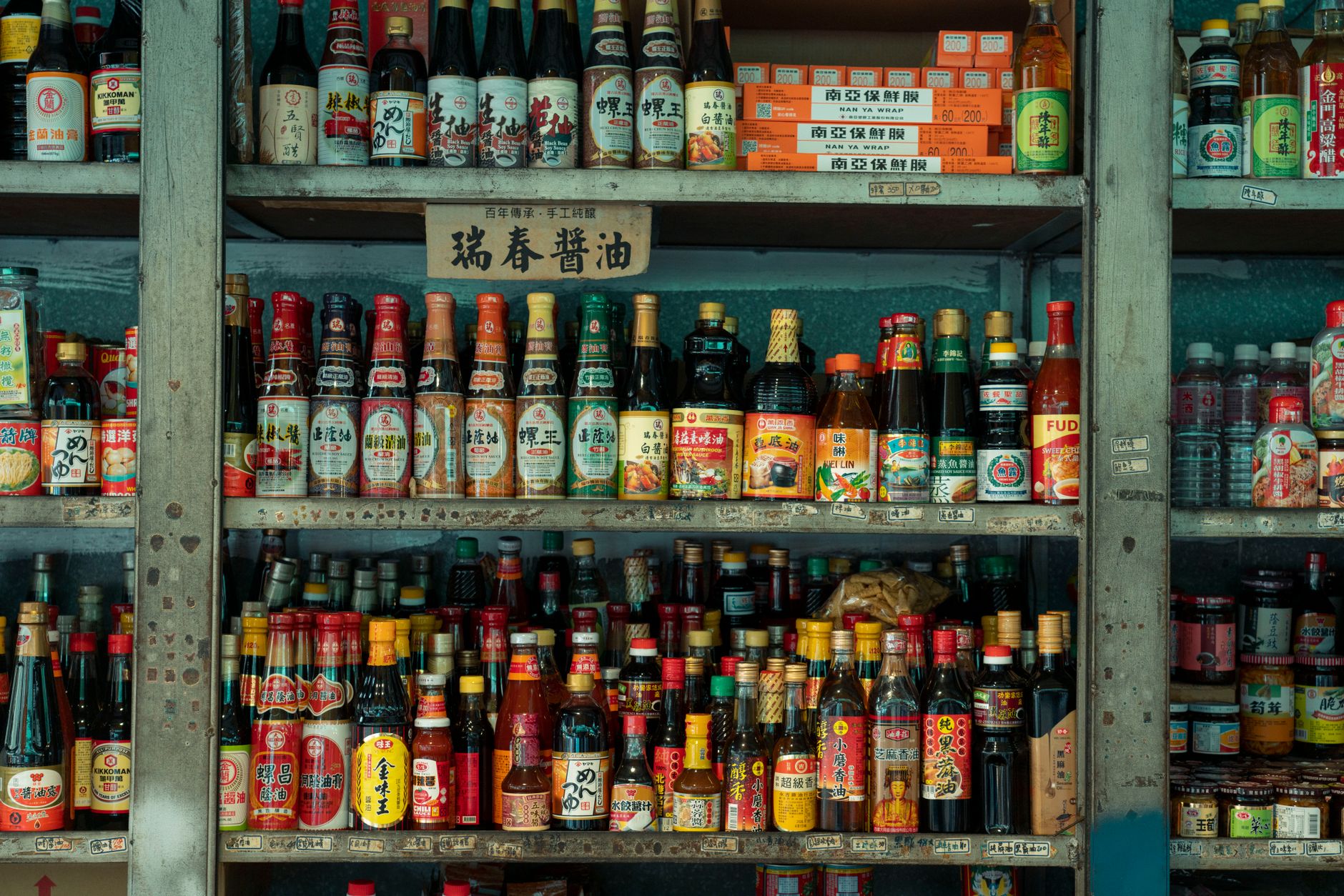
Soy sauce is a beloved condiment in many cuisines, adding rich umami flavor to dishes ranging from stir-fries to marinades. One common question among home cooks is whether soy sauce goes bad if not refrigerated. In this guide, we’ll explore soy sauce’s composition, storage methods, shelf life, and how to determine if it’s still good to use.
The longevity of soy sauce makes it a staple in many kitchens. When properly stored, it can last for months or even years. However, understanding its storage needs can enhance your culinary experience and prevent unnecessary waste.
Does Soy Sauce Go Bad If Not Refrigerated?
Yes, soy sauce can go bad if not refrigerated, but the timeline varies based on the type of soy sauce and storage conditions. While it may not spoil in the same way as perishable foods, its flavor, aroma, and quality may deteriorate over time if kept inappropriately.
Understanding Soy Sauce
Soy sauce is a fermented condiment made primarily from soybeans, wheat, salt, and a fermenting agent. The fermentation process not only gives it a distinctive, savory flavor but also contributes to its long shelf life. There are several types of soy sauce, each with its unique characteristics, but the most common include:
- Dark Soy Sauce: Thicker and sweeter, often used for adding color to dishes.
- Light Soy Sauce: Saltier and thinner, suitable for seasoning.
- Low-Sodium Soy Sauce: Offers a similar flavor but with reduced salt content.
- Tamari: A gluten-free alternative, usually richer and thicker than regular soy sauce.
Storage Methods for Soy Sauce
Storing soy sauce correctly is essential to maintaining its quality. Here’s how to ensure your soy sauce stays fresh:
Unopened Soy Sauce
Unopened soy sauce can be stored in a cool, dark place like a pantry or cupboard. Under these conditions, it can maintain its best quality for several years, sometimes even longer.
Opened Soy Sauce
Once opened, soy sauce can be stored in the pantry. However, keeping it in the refrigerator is recommended to prolong its flavor and quality. Here’s a breakdown:
- In the pantry: Typically lasts 6 months to a year.
- In the refrigerator: Can last for several years without significant loss of quality.
How to Store Soy Sauce
Here are some practical tips for storing soy sauce:
- Airtight Sealing: Always ensure that the cap is tightly sealed to prevent air exposure.
- Original Container: Use the original bottle or a similar airtight container to maintain quality.
- Cool Temperatures: Avoid storing soy sauce near heat sources like stoves or ovens.
- Dark Places: Keep soy sauce away from direct sunlight, which can degrade its quality.
Signs of Deterioration in Soy Sauce
Even with proper storage, it’s essential to recognize the signs of deterioration. Here are some indicators that your soy sauce may no longer be good:
- Change in Color: While soy sauce naturally darkens over time, any unusual discoloration can indicate spoilage.
- Off Smell: Fresh soy sauce has a distinct, savory aroma. If it smells sour or off, it may be time to toss it.
- Flavor Changes: If the taste is significantly less savory or overly salty, it might have lost its best flavor.
- Visible Mold: Any signs of mold growth mean it’s best to discard the sauce immediately.
The Impact of Temperature on Soy Sauce
The temperature at which soy sauce is stored plays a crucial role in its longevity. Here’s how temperature can affect soy sauce:
Room Temperature
When stored at room temperature, especially in areas with high humidity or heat, soy sauce may begin to degrade quicker. It’s best to keep it in a stable, cool environment.
Refrigeration
Refrigerating opened soy sauce isn’t strictly necessary, but it helps in maintaining optimal flavor and freshness. Cold temperatures slow down oxidation and microbial growth, thus extending the shelf life.
Using Soy Sauce Beyond Its Best By Date
Many people wonder about the safety of using soy sauce past its “best by” date. Here are some considerations:
Understand Best By Dates
The “best by” or “use by” dates indicated on soy sauce bottles are typically guidelines for peak flavor rather than safety. Soy sauce can often still be used after these dates, as long as there are no signs of spoilage.
Testing the Soy Sauce
If you find yourself with soy sauce that’s past its date, perform a quick test:
- Examine: Look for any discoloration or obvious signs of spoilage.
- Smell: If the aroma seems off or sour, it’s best not to use it.
- Taste: If everything else seems fine, a small taste can determine if it still offers the expected flavor.
Common Soy Sauce Storage Mistakes
A few common errors can lead to premature spoilage or loss of flavor in soy sauce. Here’s what to avoid:
- Storing in Bright Light: Light breaks down flavors, so avoid shelves where sunlight directly hits.
- Using a Dirty Spoon: Always use clean utensils to prevent contamination.
- Leaving the Lid Off: Exposure to air accelerates oxidation, leading to flavor loss.
Can You Freeze Soy Sauce?
Freezing soy sauce is not commonly recommended, but if necessary, it can be done. Here’s how:
- Freezing Method: Pour soy sauce into ice cube trays for easy future use.
- Storage Duration: Frozen soy sauce can last indefinitely, but flavor may decline over time.
Variations on Soy Sauce and Their Storage Needs
Other soy sauce variations, such as flavored soy sauces, may require different storage techniques. Here’s a brief overview:
Flavored Soy Sauces
Flavored soy sauces often contain additional ingredients, which may reduce shelf life. It’s best to refrigerate these types after opening and consume them within a few months for the best taste.
Organic or Specialty Brands
Organic or less processed soy sauces may lack preservatives, making them more vulnerable to spoilage. Always refer to the manufacturer’s instructions regarding storage and expiration.
Cooking with Soy Sauce and Flavor Pairings
Proper soy sauce storage can significantly impact your culinary outcomes. When using soy sauce, consider the following flavor pairings:
Cooking Techniques
Soy sauce can enhance various cooking methods:
- Marinating: Use soy sauce to marinate meats, adding depth and flavor.
- Stir-Frying: Incorporate soy sauce into stir-fry as a finishing sauce for seasoning.
- Soups and Stews: Add soy sauce to boost umami in broths and sauces.
Flavor Pairings
Here are some delightful pairings with soy sauce:
- Garlic: Enhances both the aroma and flavor.
- Ginger: Adds freshness and warmth to dishes.
- Sesame Oil: Offers a nutty richness that complements soy sauce well.
- Rice Vinegar: Balances the saltiness with acidity.
Conclusion
Understanding how to properly store soy sauce and recognize signs of spoilage can help you enjoy this versatile condiment for an extended period. Remember, while soy sauce does not spoil in the traditional sense, its quality can degrade over time if not stored correctly. For optimal flavor, consider refrigerating opened bottles and always check for any signs of spoilage before use.
For further insights into soy sauce production, you might want to explore how it’s made or learn about the refrigeration needs of ghee for cooking. The culinary world has plenty more to discover!
For more cooking information, tips, and techniques, check out our articles on how soy sauce is made and does ghee need to be refrigerated.