
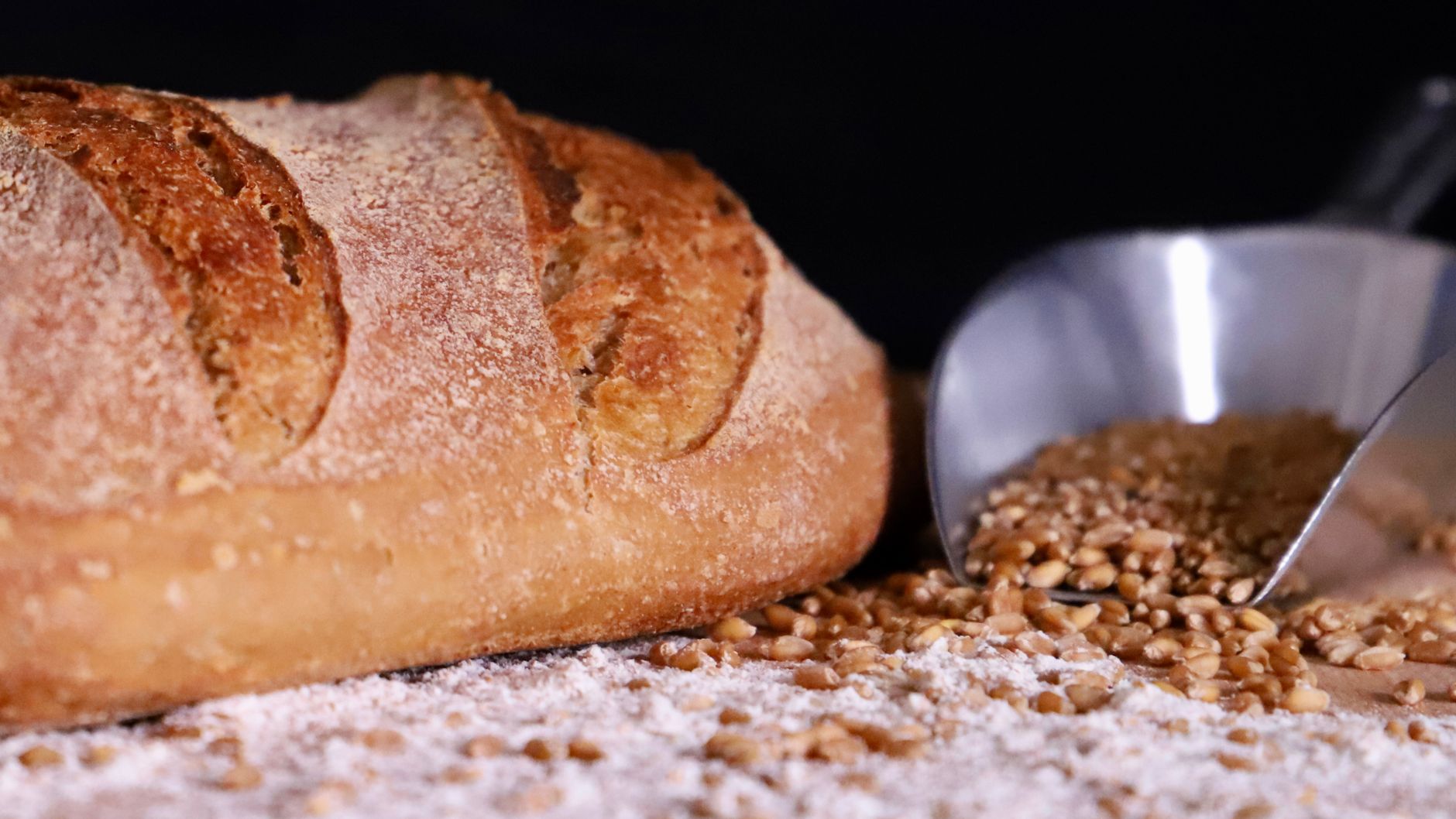
Sourdough bread has become increasingly popular due to its unique flavor and potential health benefits. However, many people wonder about its key ingredients and the fermentation process behind this traditional bread. One of the most common questions is, “Does sourdough bread have yeast?” Understanding its ingredients is essential for anyone interested in baking or consuming sourdough.
This article explores the components of sourdough bread, with a particular focus on yeast. Additionally, we will examine how the fermentation process works, the role of wild yeast, and how this differs from commercial yeast used in traditional bread recipes.
Does Sourdough Bread Have Yeast?
Yes, sourdough bread does contain yeast, but not in the same way as conventional yeasted breads. Sourdough relies on wild yeast that naturally occurs in the environment, which is cultivated through a sourdough starter. This starter is a mixture of flour and water that promotes the growth of both wild yeast and lactic acid bacteria, resulting in the distinctive sour flavor.
Understanding Yeast in Baking
Yeast is a single-celled fungus that plays a crucial role in the fermentation process of baked goods. It consumes sugars and produces carbon dioxide gas and alcohol, which are responsible for the rise and flavor of the bread. In the case of sourdough, the yeast is wild, as opposed to commercial yeast types like active dry yeast or instant yeast.
Types of Yeast
There are primarily two types of yeast used in baking: wild yeast and commercial yeast. Below are their distinctions:
- Wild Yeast: Found naturally in the environment, this yeast is cultivated in a sourdough starter. It contributes to unique flavors depending on the geographic region and the specific microorganisms present.
- Commercial Yeast: Packaged yeasts like active dry yeast and instant yeast are bred for consistency and reliability. They produce quicker and more predictable fermentation results, making them popular for various bread recipes.
The Role of Wild Yeast in Sourdough
Wild yeast plays a central role in the fermentation of sourdough bread. This yeast is typically slower than commercial yeast and complements lactic acid bacteria, contributing to the complex flavors and textures of the finished loaf. The relationship between yeast and bacteria in sourdough is a delicate balance that creates a unique taste profile.
Making Your Sourdough Starter
Your sourdough starter is the foundation of fermented sourdough bread. Making a starter involves mixing equal parts of flour and water, allowing the natural wild yeast from the environment to flourish. Here are the steps to create your own sourdough starter:
Ingredients Needed
- 1 cup all-purpose flour (or whole wheat flour)
- 1 cup filtered or distilled water (room temperature)
Steps to Create a Sourdough Starter
- In a clean glass jar or bowl, combine 1 cup of flour and 1 cup of water. Stir until there are no dry spots.
- Cover the jar with a loose cloth or plastic wrap, allowing airflow while keeping contaminants out. Let it rest at room temperature (about 70-75°F) for 24 hours.
- After 24 hours, check for bubbles indicating fermentation. Discard half of the mixture and feed it with another cup of flour and a cup of water.
- Repeat the discard and feeding process every 24 hours for about 5-7 days, or until the starter is bubbly, doubles in size within a few hours of feeding, and has a tangy aroma.
Using Your Sourdough Starter to Bake Bread
Once your sourdough starter is lively and robust, you can use it to bake broads. Here’s a simplified process for making sourdough bread:
Ingredients for Sourdough Bread
- 1 cup active sourdough starter
- 1 1/2 cups water (room temperature)
- 4 cups all-purpose flour (or a mix of flours)
- 1 tablespoon salt
Steps to Bake Sourdough Bread
- In a large mixing bowl, combine the active sourdough starter and water. Mix until well combined.
- Add the flour and salt to the mixture. Stir until a rough dough forms.
- Knead the dough on a floured surface for about 10-15 minutes until it becomes smooth and elastic.
- Place the dough in a lightly greased bowl, cover it with a damp cloth, and allow it to rise for approximately 4-6 hours or until it has doubled in size.
- Once risen, gently punch down the dough and shape it into a round or oval loaf. Place it in a proofing basket, seam side up, and let it rise for an additional 1-2 hours.
- Preheat your oven to 450°F (232°C) with a Dutch oven inside for at least 30 minutes.
- Carefully transfer the risen loaf to parchment paper and place it into the hot Dutch oven. Cover and bake for 30 minutes, then uncover and bake for an additional 15-20 minutes until golden brown.
- Remove the bread and let it cool on a wire rack before slicing.
Common Mistakes in Sourdough Baking
Baking sourdough can come with challenges. Here are some common pitfalls and how to troubleshoot them:
Under- or Over-Proofing
Under-proofed dough leads to dense bread, while over-proofed dough may collapse. To ensure proper proofing, perform the “poke test”: gently poke the dough with a finger, and if the indentation springs back slowly, it’s ready for baking.
Inconsistent Temperature
The fermentation process is sensitive to temperature; too hot or too cold can affect the activity of the yeast. Aim for a consistent room temperature of around 70°F to 75°F during the fermentation process.
Not Using Enough Water
Sourdough doughs are generally wetter than traditional bread doughs. Ensure that you are using enough water to achieve a better texture and structure in the bread.
Benefits of Sourdough Bread
Beyond flavor, sourdough also offers some notable health advantages:
- Improved digestibility: The fermentation process breaks down gluten and phytic acid, making the bread easier to digest.
- Lower glycemic index: Sourdough may have a lesser impact on blood sugar levels than other bread types due to slower fermentation.
- Nutrient absorption: The fermentation process enhances the availability of vitamins and minerals in the bread.
How to Store Sourdough Bread
Storing sourdough properly is essential for maintaining its flavor and texture. Here are some effective storage methods:
Room Temperature
For short-term storage (1-3 days), keep the bread in a paper bag at room temperature. Avoid plastic bags, as they can make the crust chewy.
Freezing
For longer storage, wrap the entire loaf tightly in plastic wrap, followed by aluminum foil. Store it in the freezer, and it can last up to three months. To enjoy, simply thaw at room temperature and reheat in the oven for a fresh texture.
Reheating Sourdough Bread
To revive the crust and warmth, reheat your bread in the oven at 350°F (175°C) for about 10-15 minutes. This method helps restore its crusty exterior and soft interior.
Is Sourdough Bread Gluten-Free?
Sourdough bread is not automatically gluten-free since it is typically made from wheat flour. However, gluten-free sourdough options are available using alternative grains like rice or buckwheat flour, but they will not utilize the same wild fermentation techniques native to traditional sourdough bread.
Conclusions
Sourdough bread does have yeast, but it differs from commercially produced yeasts found in typical bread recipes. By utilizing wild yeast and lactic acid bacteria, sourdough uniquely represents a timeless baking tradition rich in flavor and health benefits. Whether you choose to make your own starter or purchase sourdough from a local bakery, understanding its components will enhance your baking experience.
Now that you’ve learned about sourdough bread and its ingredients, consider trying your hand at making your own starter or experimenting with sourdough recipes. Explore more with our detailed guides on making sourdough bread using proven techniques, including a King Arthur Sourdough Recipe and tips for crafting a Sourdough Baguette Recipe.