
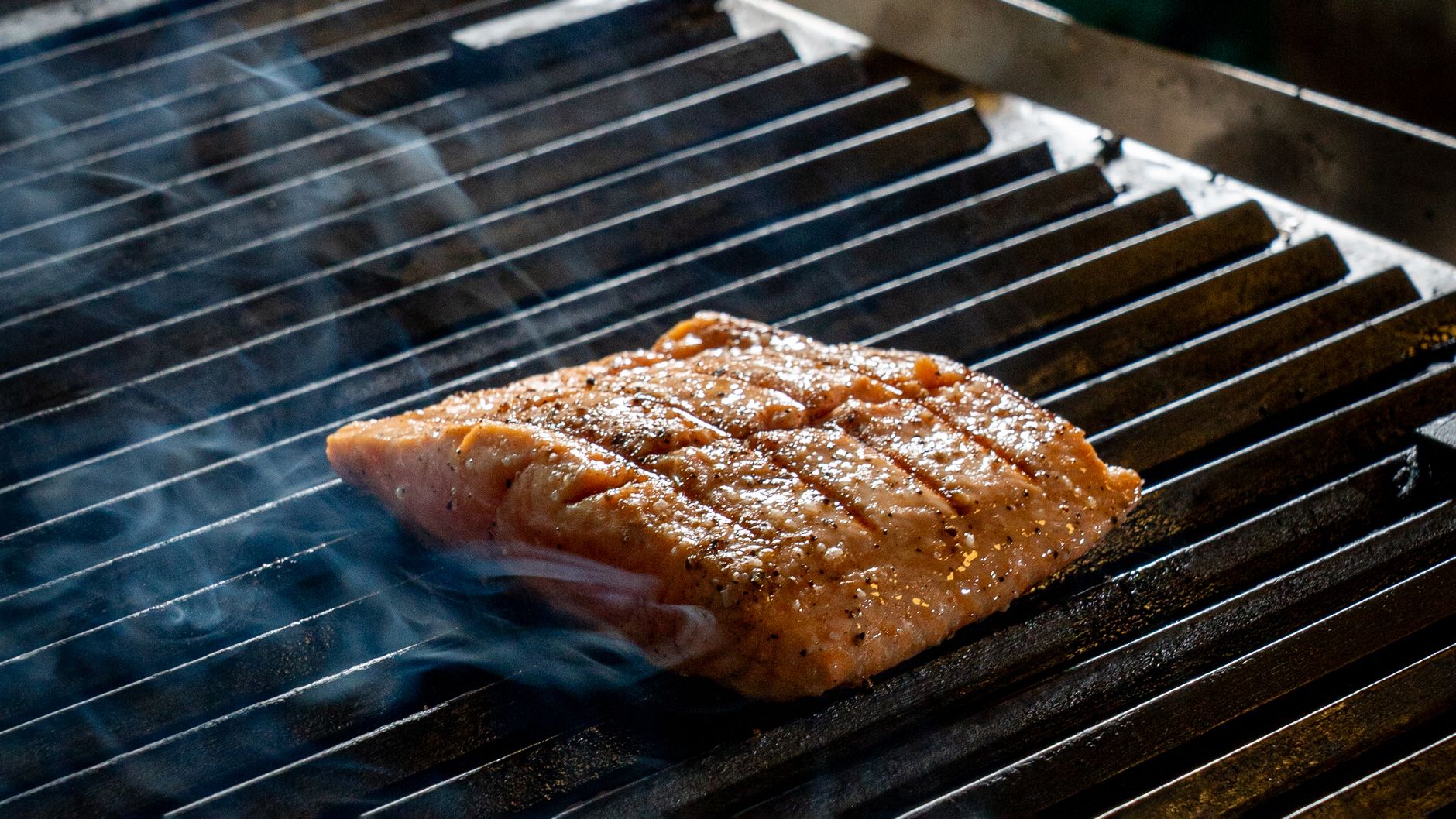
Salmon is a popular fish known for its rich flavor, versatility in dishes, and numerous health benefits. One key nutrient that often comes into discussion when considering salmon is potassium, an essential mineral important for maintaining bodily functions. Understanding the potassium content in salmon can help you gauge its nutritional value and decide how best to include it in your diet.
The question of whether salmon contains potassium is essential for those monitoring their potassium intake, particularly individuals with dietary restrictions. In this article, we will explore the levels of potassium found in salmon, the nutritional benefits of the fish, and how to incorporate it into your meals.
Does Salmon Have Potassium?
Yes, salmon does contain potassium. Depending on the type of salmon and how it is prepared, the potassium content can vary. On average, a 3-ounce serving of cooked salmon contains approximately 300 to 400 milligrams of potassium. This amount makes salmon a good source of this essential nutrient, which is vital for various bodily functions.
Understanding Potassium and Its Importance
Potassium is a mineral and electrolyte that helps regulate fluid balance, muscle contractions, and nerve signals. Maintaining adequate potassium levels is crucial for heart function, blood pressure regulation, and overall health. A diet rich in potassium can help mitigate health issues such as hypertension, stroke, and kidney stones.
Recommended daily potassium intake varies by age and health status. For adults, the general recommendation is around 2,500 to 3,000 mg per day. Including potassium-rich foods like salmon can help you reach your dietary goals.
Potassium Content in Different Types of Salmon
Salmon comes in various types, primarily categorized into wild-caught and farmed varieties. Each type has slightly different nutritional profiles, including their potassium content.
Wild-Caught Salmon
Wild-caught salmon, including varieties such as sockeye, coho, and king salmon, typically has a slightly higher potassium level than farmed salmon. On average, a 3-ounce serving of cooked wild-caught salmon contains:
- Sockeye Salmon: About 450 mg of potassium
- Coho Salmon: About 350 mg of potassium
- King Salmon: About 400 mg of potassium
Farmed Salmon
Farmed salmon, often found in grocery stores, tends to have a lower potassium content. A 3-ounce serving of cooked farmed salmon contains:
- Atlantic Salmon: About 250 to 300 mg of potassium
Other Nutritional Benefits of Salmon
In addition to its potassium content, salmon is an excellent source of several other key nutrients that make it a valuable addition to any diet:
- Omega-3 Fatty Acids: Salmon is rich in omega-3 fatty acids, which promote heart health, reduce inflammation, and support brain health.
- High-Quality Protein: A serving of salmon provides approximately 22 grams of high-quality protein essential for muscle building and repair.
- Vitamins: Salmon is packed with vitamins, particularly B vitamins (B12, B6, niacin), and vitamin D, which are essential for energy production and bone health.
- Minerals: Besides potassium, salmon contains other essential minerals such as selenium and phosphorus.
How to Incorporate Salmon Into Your Diet
With its rich flavor and various cooking methods, salmon can be easily incorporated into your diet. Here are some practical ideas to enjoy this nutrient-packed fish:
Grilled Salmon
Grilling salmon enhances its natural flavors. Simply season the fish with your choice of herbs and spices, and grill for 4-6 minutes per side, depending on thickness. This method preserves its nutritional content while adding delicious smoky flavors.
Baked Salmon
Baking is another straightforward technique. You can bake salmon at 375°F for about 15-20 minutes, seasoned with lemon, garlic, or your favorite marinade. Baked salmon can easily be served with a side of vegetables or grains.
Salmon Salad
For a refreshing and healthy option, consider making a salmon salad. Combine flaked cooked salmon with greens, cherry tomatoes, cucumbers, and a light vinaigrette for a nutrient-dense meal.
Salmon Stir-Fry
Adding salmon to a stir-fry is a quick way to enjoy this fish. Sauté salmon chunks with an array of colorful vegetables and your preferred sauce. Serve it over rice or quinoa for a complete meal.
Storing Salmon for Freshness
Proper storage is crucial to maintaining the freshness and safety of salmon. Here are some tips:
- Refrigeration: Fresh salmon should be stored in the refrigerator and consumed within 1 to 2 days for optimal quality. Keep it wrapped tightly to prevent exposure to air.
- Freezing: If you won’t consume it within a couple of days, consider freezing salmon. Wrap it tightly using freezer paper or a vacuum-sealed bag. Frozen salmon can last for up to 2-3 months.
- Thawing: Always thaw frozen salmon in the refrigerator overnight or under cold water. Avoid thawing it at room temperature to prevent bacterial growth.
Common Mistakes When Cooking Salmon
Cooking salmon might seem straightforward, but certain mistakes can affect the outcome:
- Overcooking: Salmon is best when cooked to an internal temperature of 145°F. Use a thermometer to check doneness and prevent drying it out.
- Neglecting to Season: Salmon can be flavorful on its own but benefits from seasoning. Don’t skip marinating or seasoning the fish before cooking.
- Not Letting it Rest: After cooking, allow the salmon to rest for a few minutes to retain moisture.
Alternative Sources of Potassium
If you are looking for additional sources of potassium beyond salmon, consider incorporating the following foods into your diet:
- Bananas: About 422 mg of potassium in a medium banana
- Sweet Potatoes: One medium sweet potato contains approximately 540 mg of potassium
- Spinach: One cup of cooked spinach has about 839 mg of potassium
- Beans: Various beans, like kidney and white beans, are also rich in potassium
- Avocados: One medium avocado contains about 975 mg of potassium
Meal Planning with Salmon
Incorporating salmon into your meal planning can provide variety and nutritional benefits. Here’s an example of a week-long meal plan featuring salmon:
| Day | Meal |
|---|---|
| Monday | Grilled Salmon with asparagus and quinoa |
| Tuesday | Salmon salad with mixed greens and vinaigrette |
| Wednesday | Baked salmon with lemon and garlic, served with brown rice |
| Thursday | Salmon stir-fry with broccoli and bell peppers |
| Friday | Smoked salmon on whole-grain toast with avocado |
| Saturday | Salmon tacos with cabbage slaw |
| Sunday | Salmon sushi rolls |
Conclusion
Salmon is not only delicious but is also a good source of potassium, important for maintaining overall health. With various types available, wild-caught salmon often contains more potassium than its farmed counterpart. Whether you grill, bake, or incorporate salmon into salads and stir-fries, you can enjoy the benefits of this nutrient-dense fish while meeting your potassium needs. Remember to store it properly, avoid common cooking mistakes, and explore alternative potassium sources.
To further explore cooking tips or recipes involving salmon, you may want to check out how to tell if salmon is bad or try a delicious salmon loaf recipe. Enjoy your culinary adventures with this versatile fish!