
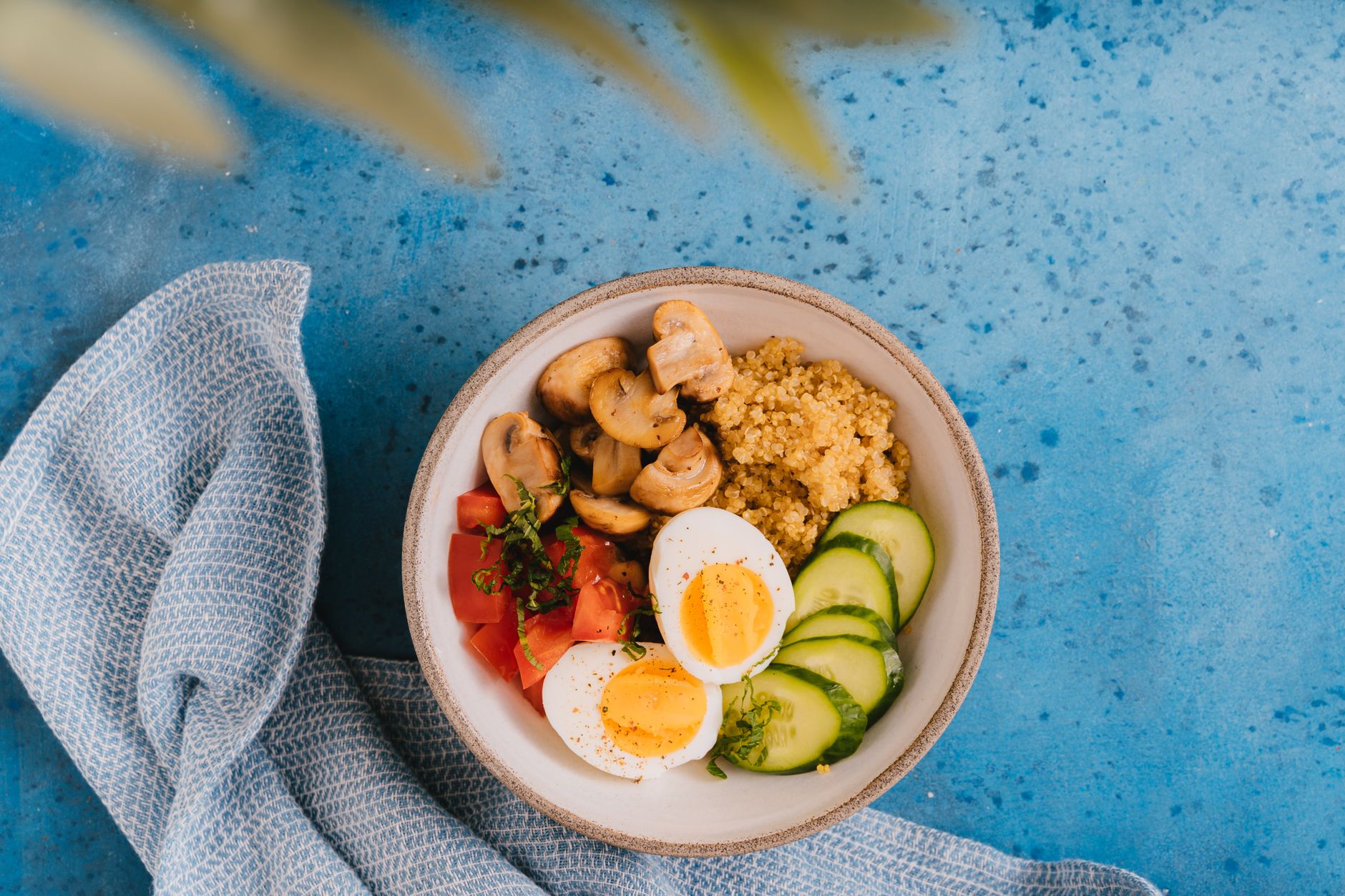
Quinoa is often identified as a superfood, popular among health enthusiasts for its nutritional profile. A common question arises among those mindful of their carbohydrate intake: does quinoa have carbs? Understanding the carbohydrate content is essential for meal planning, especially for individuals following specific dietary guidelines.
This guide explores the carbohydrate content of quinoa, its nutritional benefits, serving sizes, and tips on incorporating this versatile grain into your diet.
Does Quinoa Have Carbs?
Yes, quinoa does contain carbohydrates. In fact, it is primarily composed of carbohydrates, along with protein and a small amount of fat. Specifically, a cooked cup of quinoa contains around 39 grams of carbs. Understanding how these carbs play a role in nutrition is vital for balanced meal planning.
An Overview of Quinoa
Quinoa is often categorized as a whole grain and is native to South America, especially the Andean region. It is well-regarded not only for its carb content but also for its rich protein content and essential amino acids, making it a complete protein source. Additionally, quinoa is gluten-free, which makes it suitable for those with gluten intolerance.
This ancient grain is available in several varieties, including white, red, and black quinoa, each differing slightly in taste and texture. However, all quinoa varieties retain similar nutritional values and health benefits.
Nutritional Breakdown of Quinoa
For a more comprehensive understanding of quinoa’s nutritional profile, let’s break down the main components of a typical one-cup (cooked) serving:
- Calories: Approximately 222
- Protein: About 8 grams
- Fat: Around 4 grams
- Carbohydrates: Roughly 39 grams
- Fiber: Approximately 5 grams
- Sugars: About 1 gram
- Vitamins & Minerals: Rich in magnesium, iron, B vitamins, and antioxidants
Understanding Quinoa Carbohydrates
The carbohydrates in quinoa primarily consist of complex carbs and fiber. Complex carbohydrates are essential as they provide sustained energy and help maintain stable blood sugar levels. The fiber content aids in digestion and can help promote feelings of fullness.
Quinoa is also unique in that it has a low glycemic index (GI) compared to many other grains, which means it does not cause rapid spikes in blood sugar. This feature makes it an appetizing choice for those managing their carbohydrate intake.
Incorporating Quinoa Into Your Meal Plan
Given its nutritious qualities, quinoa can be an excellent addition to various meals. Below are some practical ideas on how to incorporate quinoa into your diet:
Breakfast Options
Quinoa can be a delicious alternative to traditional breakfast grains like oats. Here are a couple of ideas:
- Quinoa Porridge: Cook quinoa in almond milk or water with spices like cinnamon and vanilla. Top with fruits and nuts for added flavor.
- Quinoa Breakfast Bowl: Combine cooked quinoa with Greek yogurt, honey, and fresh fruits for a nutritious breakfast.
Lunch or Dinner Ideas
Quinoa serves as an excellent base for salads or side dishes. Consider these options:
- Quinoa Salad: Toss cooked quinoa with diced vegetables, beans, feta cheese, and a lemon vinaigrette for a refreshing salad.
- Quinoa Stir-fry: Replace rice in your stir-fry recipes with quinoa, complimenting it with your favorite vegetables and proteins.
Snack Alternatives
For a nutritious snack, try:
- Quinoa Energy Bites: Blend cooked quinoa with nut butter, oats, and honey, form into balls, and chill for a healthy snack on the go.
Recommended Serving Sizes
When planning meals, it’s essential to consider appropriate serving sizes. A typical serving of cooked quinoa is about one cup. However, depending on your dietary needs, this can vary:
- For a side dish: ½ cup cooked quinoa
- For a main dish: 1 cup cooked quinoa
- For breakfast (porridge): ½ cup cooked quinoa
Practical Tips for Cooking Quinoa
Cooking quinoa is relatively straightforward, but here are some tips to enhance your experience:
- Rinse Before Cooking: Always rinse quinoa under cold water before cooking to remove its natural coating, called saponin, which can impart a bitter flavor.
- Water Ratio: The typical quinoa water ratio is 1:2; for every cup of quinoa, use two cups of water or broth for added flavor.
- Simmer Gently: Bring the water to a boil, then reduce to a simmer and cover. Cook for about 15 minutes or until the quinoa is fluffy and the germ has separated from the seed.
- Rest Before Serving: Let the cooked quinoa rest covered for about 5 minutes to achieve the perfect texture.
Common Mistakes When Cooking Quinoa
Here are some frequent pitfalls to avoid when cooking quinoa:
- Not Rinsing: Skipping the rinsing step can lead to bitterness in cooked quinoa.
- Overcooking: Cooking for too long can result in mushy quinoa. Keep an eye on it, and be sure to remove it from heat once fluffy.
- Wrong Water Ratio: Using too much or too little water can affect the texture. Stick to the recommended 1:2 water ratio.
Storage and Reheating Guidelines
Proper storage of cooked quinoa can help extend its shelf life:
- Refrigeration: Store cooked quinoa in an airtight container. It can last 3-5 days in the fridge.
- Freezing: For long-term storage, quinoa can be frozen in a freezer-safe container for up to 2 months. Let it cool completely before freezing.
- Reheating: Reheat quinoa in the microwave or on the stovetop. Add a splash of water to prevent it from becoming dry.
Nutritional Benefits of Quinoa
The health benefits of incorporating quinoa into your diet extend beyond managing carbohydrate intake:
- High in Protein: Quinoa is one of the few plant foods considered a complete protein, meaning it contains all nine essential amino acids.
- Rich in Fiber: The fiber in quinoa supports digestive health and can aid in maintaining healthy weight levels.
- Vitamins and Minerals: Quinoa is an excellent source of magnesium, potassium, and iron, contributing to overall nutritional intake.
- Antioxidants: Quinoa contains antioxidants that help combat oxidative stress in the body.
Dietary Considerations
For those on specific diets, quinoa’s versatility is beneficial:
- Gluten-Free: Quinoa is naturally gluten-free, making it suitable for individuals with celiac disease or gluten intolerance.
- Plant-Based Diets: Quinoa is an excellent protein source for vegetarians and vegans.
- Low-Carb Alternatives: If low-carb options are needed, consider pairing smaller portions of quinoa with non-starchy vegetables.
Using Quinoa as a Substitute
If you need to substitute quinoa for other grains, here are some factors to keep in mind:
- Brown Rice: Use a 1:1 ratio when replacing brown rice with quinoa for salads and bowls.
- Couscous: Quinoa can be substituted in equal amounts, but it will have a firmer texture compared to couscous.
- Pasta: Quinoa can be used in salads instead of pasta; however, it will provide a nuttier flavor and a different texture.
Common Questions about Quinoa
As quinoa gains popularity, several queries arise. Here are some answers to frequently asked questions:
Is quinoa a complete protein?
Yes, quinoa is considered a complete protein because it contains all nine essential amino acids that must be obtained from food.
Can quinoa be eaten on a ketogenic diet?
While quinoa is nutritious, it is higher in carbohydrates than typically allowed on a strict ketogenic diet. It may be consumed in moderation but is not a primary choice for keto.
Conclusion
Quinoa is a nutritious grain that contains carbohydrates along with a host of benefits that contribute to a balanced diet. Its rich protein content, along with vital vitamins and minerals, make it an excellent choice for meals at any time of the day. Understanding its carbohydrate content enables you to incorporate quinoa effectively into your meal planning.
For more insights on dietary choices, explore how many carbs are in eggs or learn about the carbohydrates in broccoli.