
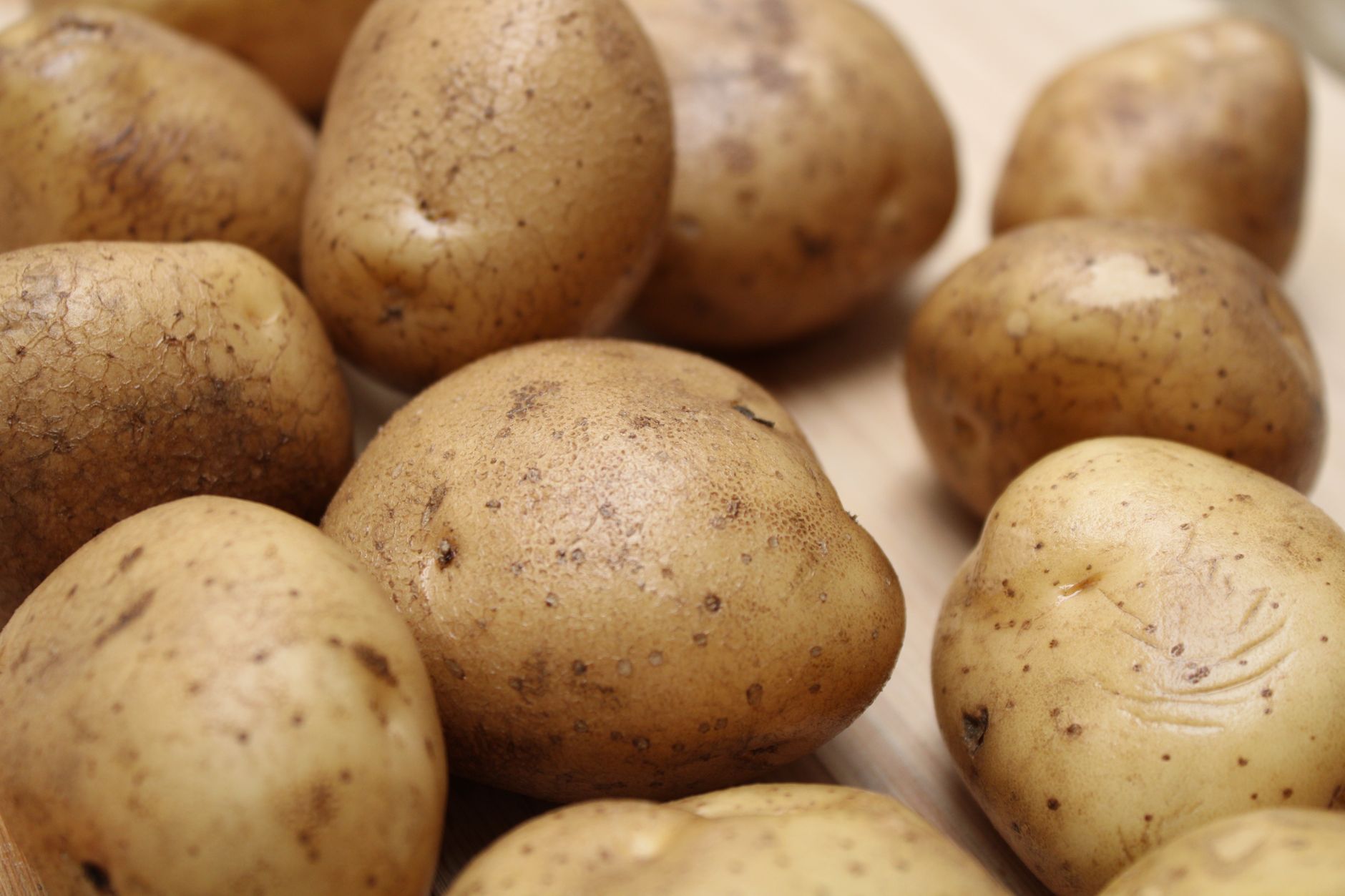
Potatoes are a beloved staple food for many cultures around the world, but if you’re watching your carbohydrate intake, you might be wondering, does potatoes have carbs? In this comprehensive guide, we’ll explore the carbohydrate content of potatoes, nutritional facts, and serving sizes, as well as tips for inclusion in your diet.
Understanding the nutritional profile of potatoes can help you make informed choices whether you’re meal planning, following a specific diet, or simply looking to enjoy a delicious dish. Let’s delve into the details.
Does Potatoes Have Carbs?
Yes, potatoes are high in carbohydrates. On average, one medium-sized potato (approximately 150 grams) contains around 30 grams of carbs. This includes both starch and dietary fiber, making potatoes an important source of energy.
Understanding Carbohydrates in Potatoes
Carbohydrates are macronutrients that serve as the body’s primary energy source. They can be categorized into two types: simple and complex carbohydrates. Potatoes primarily contain complex carbohydrates, which provide a steady release of energy. Additionally, they are a good source of dietary fiber, which is essential for digestive health.
Types of Potatoes and Their Carbohydrate Content
Potato varieties can vary in their carbohydrate content. While they all provide carbohydrates, certain types may have slightly differing amounts due to their composition. Here are some common types of potatoes and their average carb content per medium-sized serving:
- Russet Potatoes: About 37 grams of carbs
- Red Potatoes: About 30 grams of carbs
- White Potatoes: About 31 grams of carbs
- Sweet Potatoes: About 26 grams of carbs
- Yams: About 32 grams of carbs
Nutrition Facts of Potatoes
Apart from carbohydrates, potatoes offer various other nutrients. Below is a table highlighting the nutritional profile of a medium-sized (150g) baked russet potato without skin:
| Nutrient | Amount per Serving |
|---|---|
| Calories | 168 |
| Carbohydrates | 37g |
| Fiber | 4g |
| Sugar | 1g |
| Protein | 4g |
| Fat | 0g |
| Vitamin C | 30% of the Daily Value |
| Potassium | 21% of the Daily Value |
| Vitamin B6 | 14% of the Daily Value |
Incorporating Potatoes into Your Diet
Though potatoes are carbohydrate-rich, they can still be part of a balanced diet. Here are several tips for inclusion:
1. Mindful Portions
Pay attention to portion sizes, especially if you’re monitoring carbohydrate intake. Consider enjoying half a potato as part of a meal that includes protein and vegetables.
2. Cooking Methods
How you prepare potatoes can influence their health benefits. Boiling, baking, or steaming potatoes instead of frying can help minimize additional calories and fat. Here are some popular cooking methods:
- Baking: Baking potatoes allows for roasting the skin, enhancing flavor without added fat.
- Boiling: Boiling can make potatoes more digestible and reduces glycemic index.
- Steaming: Steaming retains the most nutrients and helps preserve the potato’s texture.
3. Balancing with Other Foods
Pairing potatoes with high-protein foods and fibrous vegetables can help mitigate blood sugar spikes. For instance, a potato combined with grilled chicken and steamed broccoli provides a more balanced meal.
4. Experiment with Recipes
Potatoes are versatile and can be incorporated into a variety of recipes, including soups, salads, and casseroles. Here are a few healthy options you might consider:
- Potato and vegetable soup
- Loaded baked potatoes topped with Greek yogurt, chives, and fresh vegetables
- Roasted potato and veggie medley, seasoned with olive oil and herbs
Carbs and Weight Management
If you’re focusing on weight management, it’s essential to understand the role of carbohydrates. While potatoes are high in carbs, they are also low in fat and provide essential nutrients. Here are some points to consider:
1. Satiety Factor
High-fiber foods like potatoes can help you feel full longer. Incorporating them into meals can prevent overeating later in the day.
2. Glycemic Index
The glycemic index (GI) of a food determines how quickly it raises blood sugar levels. Potatoes typically have a moderate GI, meaning they can be consumed in moderation, especially when prepared healthily.
3. Balance with Exercise
Engaging in regular physical activity can help leverage carbohydrate intake effectively. Complementing meals with exercise can support your weight management goals.
Common Myths About Potatoes
Several misconceptions surround potatoes and carbohydrates. Here are a few common myths debunked:
1. Potatoes Are Fattening
When prepared healthily, potatoes are not inherently fattening. It’s the toppings and cooking methods, such as frying and excessive butter, that can contribute to weight gain.
2. All Carbs Are Bad
Not all carbohydrates are created equal. Whole, unprocessed carbs like those found in potatoes provide essential nutrients and energy, unlike refined carbohydrates found in sugary snacks and drinks.
Conclusion
Potatoes do contain carbohydrates, making them a significant energy source. However, when eaten in moderation and prepared thoughtfully, they can fit into a balanced diet. Experiment with portion sizes, cooking techniques, and pairings to enjoy the nutritional benefits of potatoes while maintaining your dietary goals.
Further explore your culinary skills and enjoy delicious meals by checking out our articles on the gluten content in potatoes and how to bake boneless pork chops. Happy cooking!