
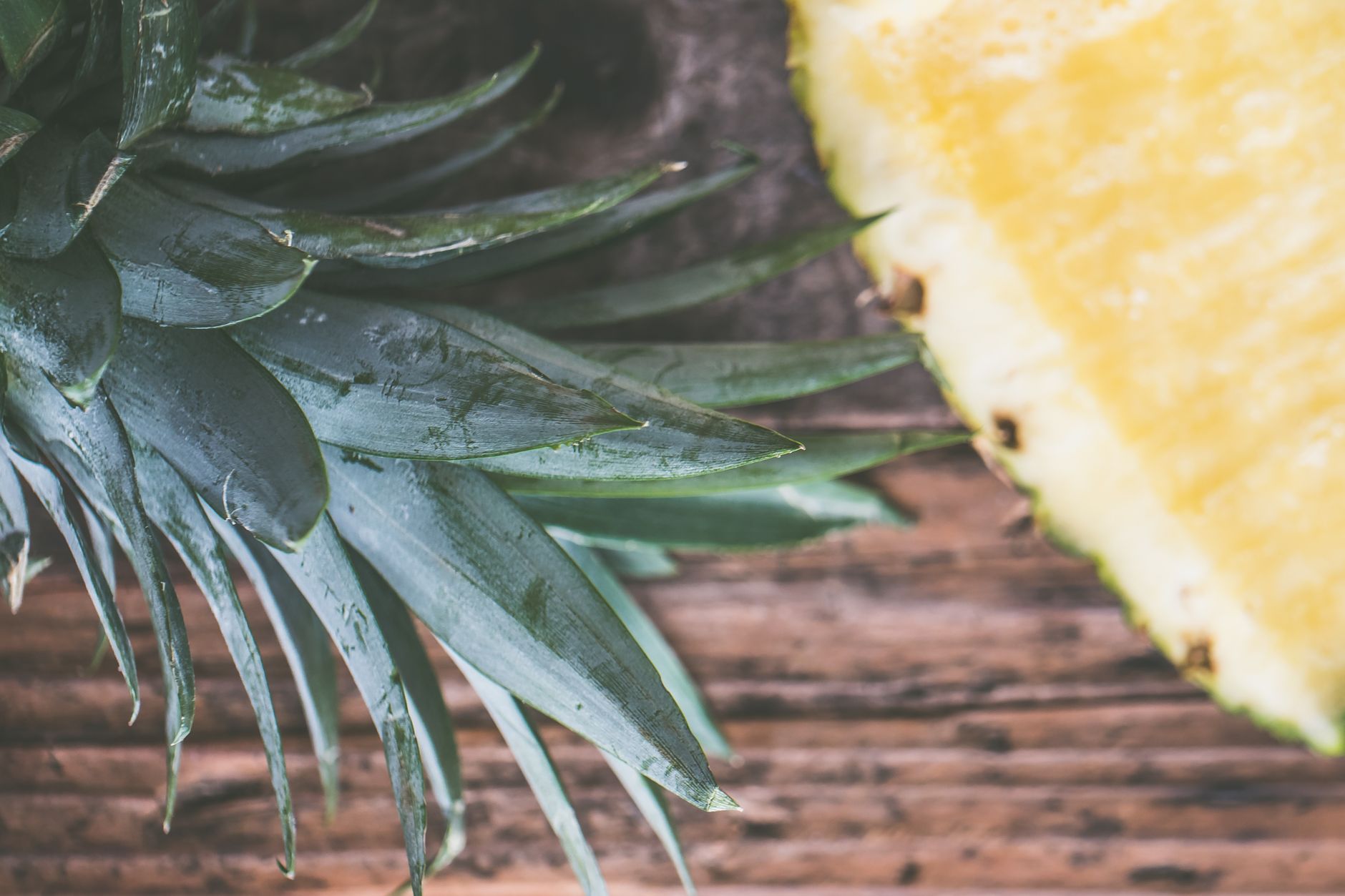
Pineapple is a tropical fruit known for its sweet and tangy flavor, making it a popular choice for fresh eating, cooking, and cocktails. While many enjoy the juicy burst of flavor that pineapple offers, there are also nutritional benefits to consider, such as its fiber content.
In this article, we will explore whether pineapple has fiber, how much fiber it contains, its nutritional facts, and the health benefits associated with dietary fiber. We will also cover serving sizes, ways to incorporate pineapple into your diet, and some delicious recipes to consider.
Does Pineapple Have Fiber?
Yes, pineapple does contain fiber. One cup of fresh pineapple chunks (approximately 165 grams) has about 2.3 grams of dietary fiber. This amount contributes to your daily fiber intake, promoting digestive health and overall wellness.
Nutritional Profile of Pineapple
Understanding the nutritional composition of pineapple will give you insight into its health benefits. Below are the key nutrients found in one cup of fresh pineapple chunks:
- Calories: 82
- Protein: 0.9 grams
- Fat: 0.2 grams
- Carbohydrates: 22 grams
- Sugar: 16 grams
- Fiber: 2.3 grams
- Vitamin C: 79 mg (87% of the Daily Value)
- Manganese: 1.5 mg (76% of the Daily Value)
- Vitamin B6: 0.2 mg (9% of the Daily Value)
- Thiamin: 0.1 mg (10% of the Daily Value)
Pineapple is relatively low in calories and provides vital vitamins and minerals, especially vitamin C and manganese, essential for various bodily functions. The fiber content, though modest, still contributes positively to your diet.
Health Benefits of Dietary Fiber
Including fiber in your diet is important for various reasons. Here are some of the notable health benefits associated with consuming fiber:
1. Aids Digestive Health
Fiber helps regulate bowel movements by adding bulk to the stool, making it easier to pass. This can help prevent constipation and promote a healthy digestive tract.
2. Supports Heart Health
High-fiber foods like pineapple can help lower cholesterol levels and reduce the risk of heart disease. Fiber helps minimize the absorption of cholesterol in the intestines, contributing to cardiovascular health.
3. Aids in Weight Management
Fiber-rich foods tend to be more filling, which can help control hunger and reduce overall calorie intake. Including pineapple and other fiber sources in your meals may help maintain a healthy weight.
4. Regulates Blood Sugar Levels
Fiber can help stabilize blood sugar spikes by slowing the absorption of sugar into the bloodstream. This makes fiber an important nutrient for individuals managing diabetes.
How to Incorporate Pineapple into Your Diet
There are many enjoyable ways to include pineapple in your meals and snacks. Here are some practical ideas:
- Fresh Fruit Salad: Combine pineapple chunks with other fruits like berries, kiwi, and melons for a refreshing fruit salad.
- Smoothies: Add pineapple to your morning smoothie for a burst of flavor and nutrition. Try blending it with spinach, banana, and coconut milk.
- Grilled Pineapple: Grilling pineapple caramelizes its natural sugars, enhancing its sweetness. Serve grilled slices as a dessert or side dish.
- Pineapple Salsa: Mix diced pineapple with tomatoes, onions, cilantro, and lime juice for a delicious topping for tacos or grilled fish.
- Pineapple in Savory Dishes: Use pineapple in stir-fries, pizza, or salads to add a sweet note to savory meals.
Serving Sizes and Fiber Intake
To better understand how pineapple fits into your fiber intake for the day, it’s helpful to know the recommended dietary fiber goals. The Institute of Medicine recommends:
- Women: 25 grams of fiber per day
- Men: 38 grams of fiber per day
Considering that one cup of pineapple provides 2.3 grams of fiber, you can see how incorporating various fiber sources throughout the day—such as vegetables, whole grains, legumes, and fruits—can help meet your nutritional goals.
Fun Facts about Pineapple
Pineapple is not just delicious; it also has some intriguing facts associated with it:
- Pineapple is actually a group of berries that fuse together around a central stem during growth.
- The word “pineapple” comes from the Spanish word “piña,” which means “pine cone,” due to its resemblance to the shape of a pine cone.
- Brazil is the largest producer of pineapples in the world, followed closely by Costa Rica and the Philippines.
Delicious Pineapple Recipe Ideas
Here are two easy and delightful recipes that feature pineapple and highlight its flavor while also ensuring you get some dietary fiber:
Chia Pudding with Pineapple
This creamy chia pudding is elevated with the tropical flavor of pineapple, making it a perfect breakfast or snack option.
Ingredients:
- 1 cup coconut milk
- 1/4 cup chia seeds
- 1/2 cup fresh pineapple, chopped
- 1 tablespoon honey or maple syrup (optional)
Instructions:
- In a bowl, whisk together coconut milk and honey (if using) until well combined.
- Add chia seeds and stir until fully incorporated.
- Cover and refrigerate for at least 4 hours or overnight until the mixture thickens.
- Once set, serve in individual cups topped with pineapple chunks.
Pineapple Smoothie
This refreshing smoothie is a perfect way to start your day or as a post-workout drink.
Ingredients:
- 1 cup fresh pineapple chunks
- 1 banana
- 1 cup spinach
- 1 cup almond milk or coconut water
- Ice cubes (optional)
Instructions:
- Add all ingredients to a blender.
- Blend until smooth and creamy, adjusting thickness with more almond milk if needed.
- Pour into a glass and enjoy immediately.
Common Mistakes When Using Pineapple
When incorporating pineapple into your meals, be mindful of a few common pitfalls:
- Using Canned Pineapple: Canned pineapple often contains added sugars and may offer less fiber compared to fresh pineapple. Opt for fresh or frozen when possible.
- Choosing Ripe Pineapple: Select a ripe pineapple for the best flavor. Look for a sweet aroma and slight softness when gently squeezed.
- Overlooking Fiber Sources: While pineapple contains some fiber, make sure to include a variety of fiber-rich foods in your diet to meet daily recommendations.
Storage Tips for Pineapple
Proper storage of pineapple can ensure you maintain its freshness and taste:
Fresh Pineapple
Store fresh pineapple at room temperature for a day or two if it is uncut. If you cut it, refrigerate it in an airtight container, and it should last for about 3 to 5 days.
Canned Pineapple
Unopened canned pineapple can be stored in a cool, dry place and will last for several years. Once opened, transfer any unused pineapple into an airtight container and refrigerate, where it can last for up to a week.
Conclusion
Pineapple is not only a delightful addition to many dishes but also provides dietary fiber along with various vitamins and minerals. By incorporating fresh pineapple into a balanced diet, you can enjoy its numerous health benefits while increasing your fiber intake. Whether used in smoothies, salads, or desserts, pineapple is a versatile ingredient that can enhance both flavor and nutrition.
If you’re looking to explore more recipes or cooking tips, check out our Chia Pudding Recipe or discover refreshing ideas in our Pineapple Smoothie Recipe.