
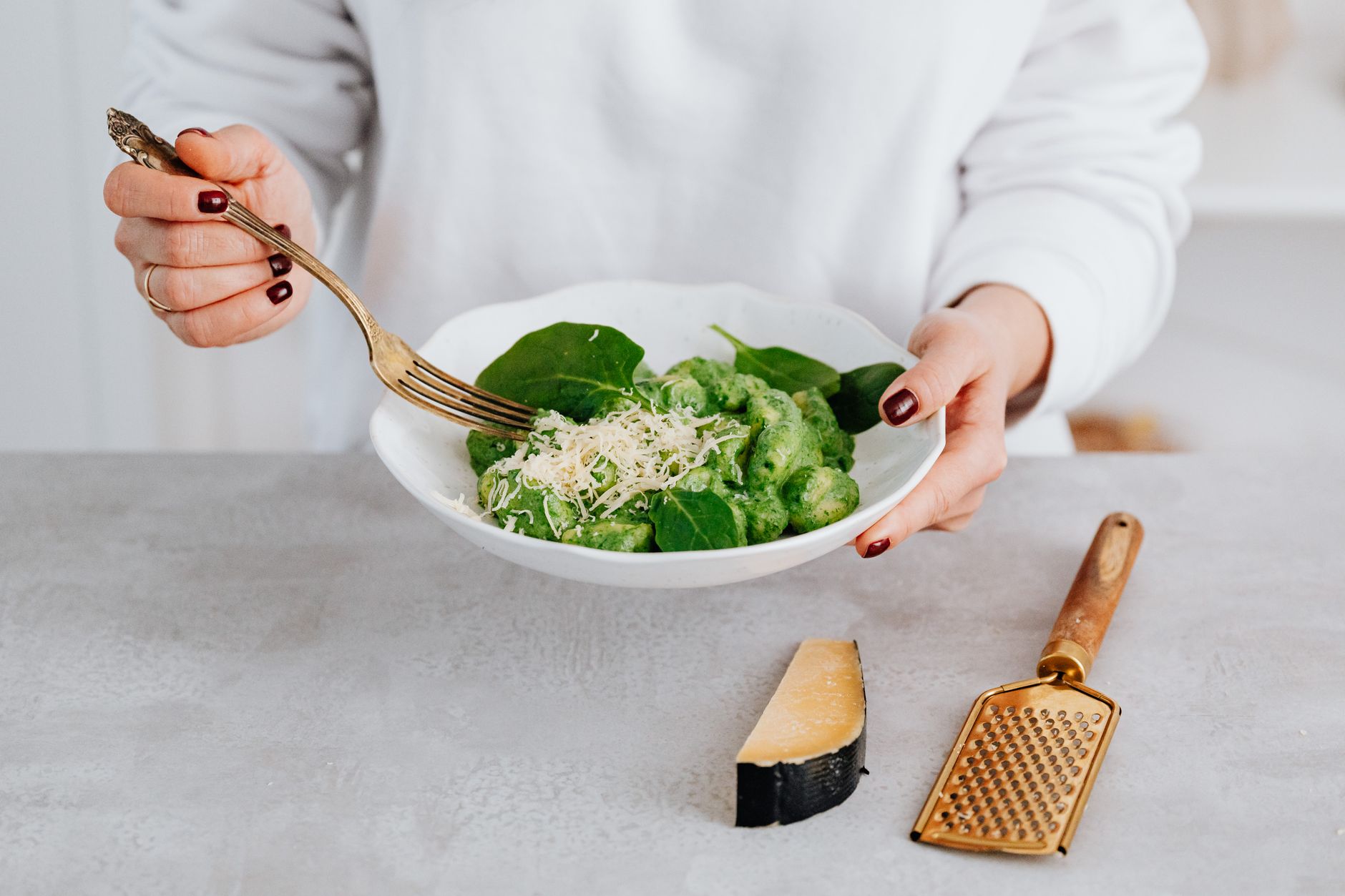
Pesto is a beloved Italian sauce known for its vibrant green color and rich flavors. Traditionally made with fresh basil, garlic, pine nuts, olive oil, and cheese, it has become a staple in many kitchens around the world. But an important question arises: does pesto have dairy? Understanding its ingredients is crucial for those with dietary restrictions or preferences.
This article will explore the traditional ingredients of pesto, the role of dairy in its preparation, and alternatives for those avoiding dairy. We will also discuss how to read labels for store-bought pesto and consider the nuances of cross-contact with dairy in various food products.
Does Pesto Have Dairy?
Yes, traditional pesto is made with cheese, which is a dairy product. The most commonly used cheese in pesto is Parmigiano-Reggiano, giving the sauce its distinct flavor and creamy texture. However, there are dairy-free variations available for those who need to avoid dairy.
Traditional Pesto Ingredients
To fully grasp the dairy content in pesto, it’s essential to understand its traditional ingredients. Classic pesto alla genovese includes:
- Fresh basil leaves
- Garlic
- Pine nuts
- Olive oil
- Parmesan cheese (or Pecorino Romano)
- Salt
Each component plays a vital role in the flavor profile, with the cheese contributing to the sauce’s richness and umami flavor. The olive oil acts as a base, while the garlic adds a pungent kick, and the pine nuts provide a buttery texture.
What Is the Role of Dairy in Traditional Pesto?
The dairy in traditional pesto primarily comes from cheese, which enhances the sauce’s creaminess and depth. Without cheese, the flavor could become flat and less balanced. Dairy also adds a savory note that complements the aromatic basil and pungent garlic, creating a harmonious blend respected in Italian cuisine.
Dairy-Free Pesto Variations
For those who are lactose intolerant, vegan, or simply prefer to avoid dairy, there are several substitutions and variations of pesto that retain flavor and texture. Below are common dairy-free pesto variations:
Dairy-Free Cheeses
Using dairy-free cheese alternatives can help mimic the flavor and texture of parmesan. Look for brands that feature:
- Nutritional yeast: This ingredient provides a cheesy flavor without dairy and is often fortified with B vitamins.
- Cashews: Blending soaked cashews can create a creamy texture that substitutes for cheese.
- Sunflower seeds: Although nut-free, sunflower seeds can add richness to your pesto.
Herb Variations
While basil is the traditional herb used, feel free to experiment with other herbs. Some popular options include:
- Spinach: Adds a mild flavor and vibrant color.
- Kale: Provides a robust texture and nutrition boost.
- Cilantro: Creates a fresh, unique taste.
Nut-Free Pesto Options
For those allergic to nuts, nuts can often be omitted or replaced with seeds. Options include:
- Pumpkin seeds (pepitas)
- Hemp seeds
- Flaxseeds (when ground)
These substitutes can provide a similar texture without introducing allergens. Also, consider using sunflower seeds for a nut-free alternative.
How to Make Dairy-Free Pesto
If you’re interested in trying your hand at dairy-free pesto, here’s a simple recipe using basil, garlic, and nutritional yeast for a cheesy flavor:
Ingredients
- 2 cups fresh basil leaves
- 2 cloves garlic
- 1/4 cup pine nuts (or sunflower seeds for nut-free)
- 1/4 cup nutritional yeast
- 1/2 cup olive oil
- Salt, to taste
Method
- In a food processor, combine the basil, garlic, pine nuts (or seeds), and nutritional yeast. Pulse until finely chopped.
- With the processor running, slowly add the olive oil until the mixture is smooth.
- Taste and adjust salt as necessary.
- Store in an airtight container in the refrigerator for up to one week or in the freezer for longer storage.
This dairy-free version retains the vibrant flavors of traditional pesto without the use of any dairy ingredients.
Reading Labels on Store-Bought Pesto
If making pesto at home isn’t convenient, many store-bought options are available. However, it’s crucial to check the ingredient list for dairy content. Look for the following terms that indicate dairy is present:
- Parmesan cheese
- Ricotta cheese
- Any derived lactic ingredients
Common pesto brands also offer dairy-free versions, but they may not always be labeled clearly. Therefore, it is advisable to search for products specifically labeled as “dairy-free” or “vegan” when shopping.
Potential Cross-Contact with Dairy
For individuals with severe dairy allergies or lactose intolerance, cross-contact is a critical issue. This risk can occur when dairy products are processed on shared equipment. Here are a few pointers to minimize cross-contact:
- Look for brands that specifically state their products are made in dairy-free facilities.
- Avoid bulk bins or self-serve areas, where cross-contact risks increase.
- Contact manufacturers if ingredient lists are unclear regarding possible cross-contact.
Common Mistakes When Making Pesto
Even though making pesto can seem straightforward, there are common pitfalls to avoid. Here are some tips:
- Over-processing: Blending too long can turn pesto into a paste rather than leaving it with a slightly chunky texture. Pulse gently.
- Using old herbs: Fresh herbs like basil should be vibrant and fragrant. Wilted leaves can lead to a bland pesto.
- Not adjusting flavors: Depending on the quality of ingredients, you might need more salt, oil, or garlic to balance flavors.
Storage and Reheating of Pesto
Proper storage can extend the life of your pesto, whether homemade or store-bought. Here’s how:
- Refrigerator: Store pesto in an airtight container with a thin layer of olive oil on the surface to minimize oxidation. It should last approximately one week.
- Freezer: Pesto freezes well. Consider freezing it in ice cube trays for easy portion sizes. After frozen, store cubes in a resealable bag for easier future use.
Pesto is generally served cold or at room temperature, so reheating is not necessary. However, if you choose to warm it for a dish, do so gently to avoid changing its flavor or texture.
Serving Suggestions for Pesto
Pesto’s versatility makes it a delicious addition to various dishes. Here are some ideas for serving:
- Toss with cooked pasta for a quick meal.
- Spread on sandwiches or wraps for added flavor.
- Use it as a dip for vegetables or spread on crackers.
- Drizzle over grilled vegetables or meats for a fresh finish.
Conclusion
Pesto is traditionally a dairy-rich sauce, but various dairy-free alternatives exist to cater to those with dietary restrictions. By understanding its ingredients and making informed choices with recipes and store-bought products, everyone can enjoy the vibrant flavors of pesto. Whether you stick to traditional recipes or explore unique variations, pesto can be a delightful addition to your meals.
If you’re interested in further culinary exploration, check out our easy pesto recipe without pine nuts or try the fluffy dairy-free pancake recipe for a delightful dairy-free option.