
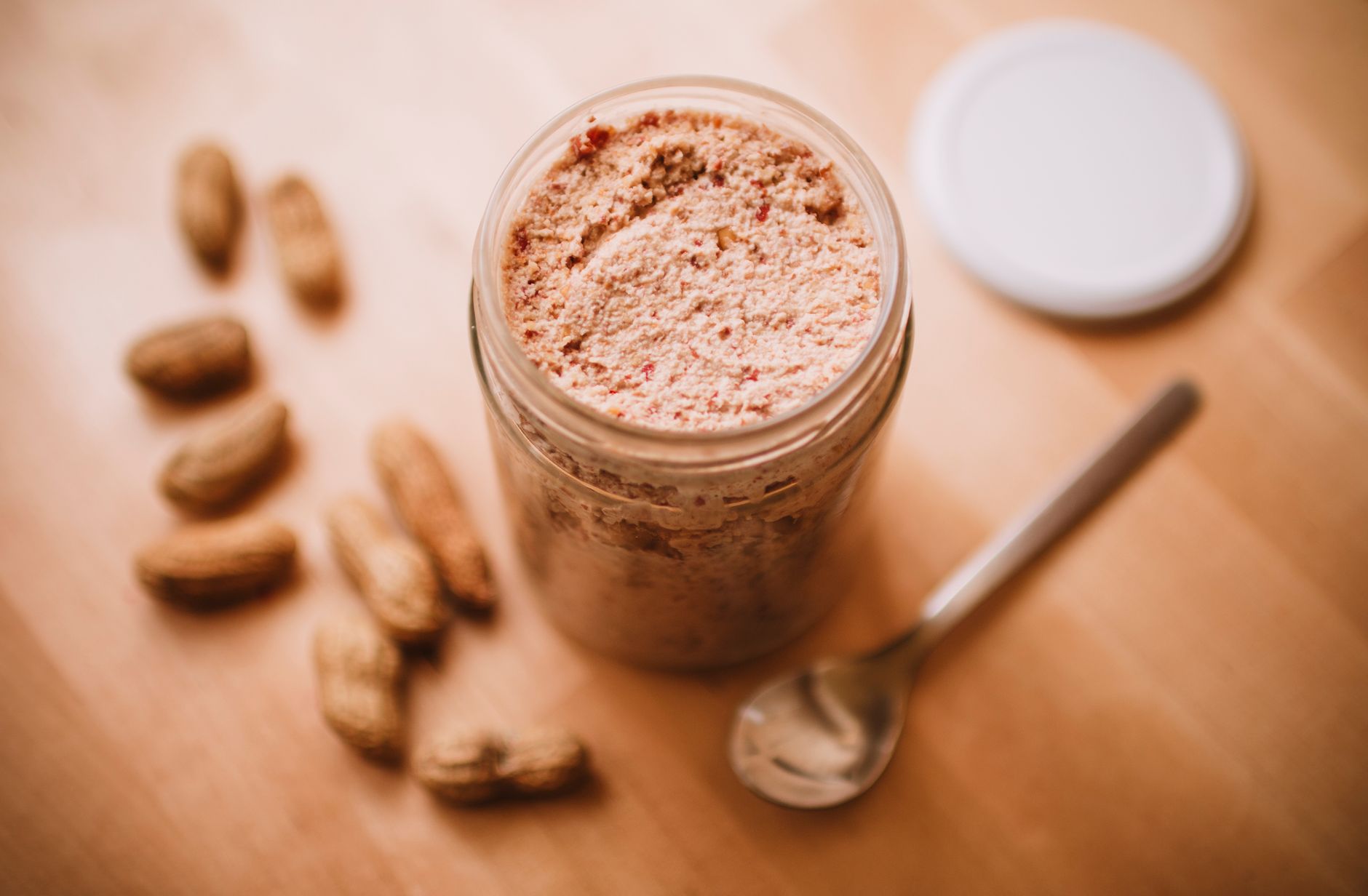
Peanut butter is a beloved pantry staple, known for its creamy texture and rich, nutty flavor. Whether you’re spreading it on toast, drizzling it over pancakes, or mixing it into smoothies, it’s versatile and packed with protein. But like all food products, it raises an important question: does peanut butter go bad?
The short answer is yes, peanut butter can go bad, but it has a relatively long shelf life if stored properly. This article will explore the storage times and spoilage signs of peanut butter, helping you make the most of this delicious ingredient.
Does Peanut Butter Go Bad?
Yes, peanut butter does go bad, but its shelf life can vary depending on whether it is opened or sealed, the type of peanut butter, and how it is stored. Proper storage can prolong its freshness, while exposure to air, light, and humidity can contribute to spoilage.
Understanding Peanut Butter
To grasp why peanut butter can spoil, it’s essential to understand its components. Traditional peanut butter consists mainly of peanuts, which are high in fat. These fats can oxidize over time, especially when exposed to heat, light, or air. Additionally, additives like sugar, salt, and oils can influence spoilage rates.
Storage Times for Peanut Butter
The shelf life of peanut butter varies based on whether it is unopened or opened, as well as the type (natural or processed). Here’s a breakdown:
- Unopened peanut butter: Generally lasts 1 to 2 years past the printed expiration date when stored in a cool, dark place.
- Opened peanut butter: Can last up to 3 to 6 months past the expiration date when stored in the pantry. If stored in the refrigerator, it can last up to 9 months.
- Natural peanut butter: Usually has a shorter shelf life due to the absence of preservatives. It can last up to 3 months in the pantry and about 6 months in the fridge after opening.
Signs of Spoilage in Peanut Butter
To ensure you’re consuming safe and delicious peanut butter, watch for signs of spoilage. Here are some indications that your peanut butter may have gone bad:
1. Off Smell
If your peanut butter emits a rancid or unusual odor, it is likely no longer safe to consume. Fresh peanut butter has a nutty aroma, while a sour or odd smell indicates spoilage.
2. Change in Color
Fresh peanut butter should have a consistent light brown color. If you notice darkening or separation where oil has pooled on top, this could be a sign of degradation.
3. Unpleasant Taste
Before using peanut butter that appears to be questionable, taste a small amount. If the flavor is off, it’s best to discard it. Fresh peanut butter will have a pleasant, nutty taste, whereas spoiled peanut butter may taste bitter or strange.
4. Texture Changes
Peanut butter should have a smooth or slightly crunchy texture, depending on the style. If it becomes gritty or has an unusual consistency, it may be past its prime.
5. Presence of Mold or Unusual Growth
While mold is a rare occurrence in peanut butter, if it does appear, it is a clear sign that the product has gone bad. It’s best to discard any peanut butter with visible mold immediately.
Proper Storage Techniques for Peanut Butter
Storage is key to prolonging the shelf life of peanut butter. Here are some best practices:
Room Temperature Storage
For most peanut butter, room temperature storage is sufficient. Keep it in a cool, dark cabinet away from heat and light. Make sure the lid is tightly sealed to minimize exposure to air.
Refrigeration
If you prefer your peanut butter to last longer, particularly natural varieties without preservatives, consider refrigerating it after opening. This helps slow down the oxidation process and can extend its freshness.
Avoid Cross-Contamination
Always use clean utensils to scoop peanut butter from the jar to avoid introducing moisture or bacteria, which can lead to spoilage. Refrain from dipping bread or other items directly into the jar.
Making the Most of Peanut Butter
Peanut butter is not only a snack by itself; it’s a versatile ingredient that can enhance numerous dishes. Here are some creative ways to incorporate it into your meals:
1. Smoothies
Adding a spoonful of peanut butter to smoothies can boost protein content and creaminess. It pairs especially well with banana and chocolate flavors.
2. Frostings and Sauces
Peanut butter can be used to create rich frostings for cakes or cookies. Combine it with powdered sugar, butter, and a splash of milk for a delightful frosting. You can also mix it with soy sauce and sesame oil for an easy dipping sauce for spring rolls or veggies.
3. Baking
In baking, peanut butter makes an excellent substitute for fat in recipes or as an ingredient in cookies, brownies, and bars. Incorporating peanut butter can add unique flavor and texture.
4. Peanut Butter Fudge
Making peanut butter fudge is an easy treat that requires minimal ingredients. It is simply melting peanut butter with chocolate and sweetening it, then allowing it to set.
Common Mistakes and Troubleshooting
Even the most experienced home cooks make mistakes. Here are some common issues with peanut butter and how to avoid them:
1. Oil Separation
Oil separation is a normal occurrence with natural peanut butter, as it contains no stabilizers. If this happens, simply stir it back together before using.
2. Using Expired Peanut Butter
Before using peanut butter, always check the expiration date. If it is expired or unsure about spoilage signs, it’s safer to purchase a new jar than risk consuming a spoiled product.
3. Storage While Traveling
If you’re taking peanut butter on the go, avoid keeping it in hot places, such as a car trunk. The heat can promote spoilage; instead, opt for insulated coolers for extended trips.
Peanut Butter Comparisons: Natural vs. Processed
Understanding different types of peanut butter can influence your storage options and cooking outcomes.
Natural Peanut Butter
Natural peanut butter often contains just peanuts and salt, with no added oils. This type tends to have a shorter shelf life due to the absence of preservatives. It’s also more susceptible to oil separation, requiring stirring before use.
Processed Peanut Butter
Processed peanut butter often contains added sugars, oils, and stabilizers to enhance flavor and longevity. This type may last longer in the pantry but may not deliver the same health benefits as natural variations. However, you’ll enjoy a smoother texture and less oil separation.
Nut Butter Alternatives
If you’re exploring options beyond peanut butter, consider these alternatives:
- Almond Butter: Nutty flavor with a smoother texture.
- Cashew Butter: Creamy and slightly sweeter, suitable for baking and spreads.
- Sunflower Seed Butter: Nut-free and ideal for those with allergies.
- Hazelnut Butter: Rich and sweet, excellent for desserts and spreads.
Conclusion
Peanut butter can be a delightful and nutritious addition to your diet, but it’s essential to know how to store it properly and identify spoilage signs. By following proper storage tips and being mindful of freshness, you can enjoy your peanut butter for a long time. When in doubt, trust your senses—sight, smell, and taste can guide your decision to enjoy or discard it. For your next culinary adventure, consider whipping up some delicious peanut butter fudge or experimenting with nut butter alternatives!
Explore related recipes and tips on our site, including insights on whether chia seeds go bad and try out our tasty peanut butter fudge recipe.