
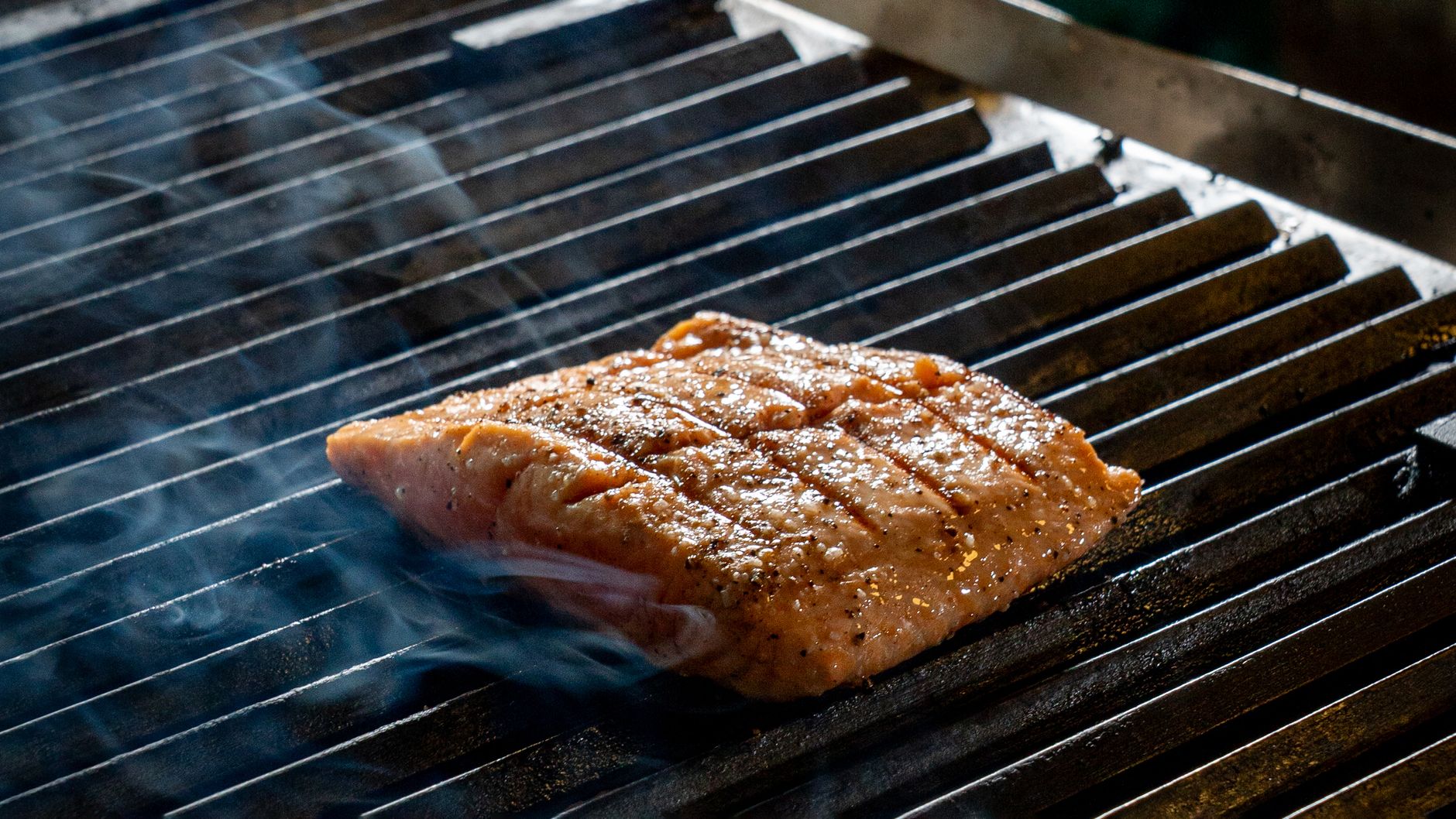
For seafood aficionados, finding a place that serves quality fish dishes can make all the difference in dining experience. Olive Garden, popular for its Italian-American cuisine, often gets questions about specific seafood options, particularly salmon. If you’re curious about whether Olive Garden includes salmon on its menu, this article will provide comprehensive insights.
In addition to confirming the presence of salmon on Olive Garden’s menu, we will explore the dish’s ingredients, preparation methods, and serving tips to enhance your culinary experience should you choose to make it at home. Understanding how to choose, cook, and serve salmon can elevate your meals, whether at a restaurant or in your kitchen.
Does Olive Garden Have Salmon?
Yes, Olive Garden does serve salmon as part of their menu offerings. The restaurant typically features grilled salmon, served with a choice of sides like vegetables or pasta. This dish is popular among seafood lovers for its fresh taste and health benefits.
Salmon at Olive Garden: What to Expect
When ordering salmon at Olive Garden, diners can generally expect a few key elements:
- Preparation: The salmon is often grilled, providing a slightly smoky flavor while keeping it tender and flaky.
- Servings: It is typically served with sides such as seasonal vegetables, a garden salad, or pasta options, which make for a balanced meal.
- Flavor Profile: Expect a mild yet rich flavor that pairs well with a variety of sides and sauces.
Health Benefits of Salmon
Salmon is celebrated not only for its delicious taste but also for its impressive nutritional profile. Here are some key health benefits associated with consuming salmon:
- Omega-3 Fatty Acids: Salmon is rich in omega-3 fatty acids, which are beneficial for heart health and reducing inflammation.
- High in Protein: This fish is an excellent source of protein, which is vital for muscle building and repair.
- Vitamins and Minerals: Salmon contains important vitamins like B12 and D, as well as minerals such as selenium and potassium.
- Brain Health: Regular consumption of salmon may support brain function and reduce the risk of age-related cognitive decline.
Cooking Salmon at Home: Tips and Techniques
If you are inspired to prepare salmon at home, understanding the cooking techniques can enhance your results. Here’s a breakdown of popular methods:
Grilling Salmon
Grilling imparts a beautiful char and smoky flavor. When grilling salmon:
- Choose fillets with skin to help hold the fish together.
- Preheat your grill to medium-high heat.
- Brush the salmon with olive oil and season with salt and pepper.
- Grill skin-side down for about 6-8 minutes per side, depending on the thickness.
- Check for doneness: the fish should flake easily with a fork.
Baking Salmon
Baking is a great way to cook salmon if you prefer a hands-off approach:
- Preheat your oven to 375°F (190°C).
- Place the salmon on a baking sheet lined with parchment paper.
- Season with herbs, lemon slices, or a marinade.
- Bake for 15-20 minutes or until the salmon is opaque and flakes easily.
Pan-Searing Salmon
For a crispy exterior, pan-searing is an excellent option:
- Heat a skillet over medium-high heat and add a tablespoon of olive oil.
- Once the oil is hot, place the salmon skin-side down.
- Sear for about 5-7 minutes, then flip and cook for another 3-5 minutes.
- The skin should be crispy while the inside remains tender.
Flavor Pairings for Salmon
When serving salmon, pairing it with the right flavors can elevate the dish. Here are some suggestions:
- Herbs: Fresh herbs like dill, parsley, and basil complement salmon beautifully.
- Citrus: Lemon, lime, or orange zest can brighten the flavors.
- Vegetables: Grilled asparagus, sautéed spinach, or roasted Brussels sprouts are excellent sides.
- Grains: Quinoa, rice, or couscous can serve as hearty bases for your salmon dishes.
Common Mistakes When Cooking Salmon
Even seasoned cooks can make mistakes with salmon. Here are tips on what to avoid:
- Overcooking: Salmon can dry out quickly if overcooked; aim for a slightly translucent center.
- Skipping the Skin: Cooking salmon with the skin on helps keep the moisture in.
- Not Resting: Letting salmon rest for a few minutes after cooking allows the juices to redistribute.
Serving Suggestions for Salmon
Once your salmon is cooked, how you serve it can make a big difference in presentation and enjoyment:
- Garnish with fresh herbs or lemon wedges for a pop of color and flavor.
- Serve alongside a colorful salad or seasonal vegetables for a balanced plate.
- Consider drizzling a sauce like a honey mustard glaze or a lemon-dill sauce over the top before serving.
Storing and Reheating Leftover Salmon
If you have leftover salmon, proper storage and reheating ensure it remains delicious:
- Store cooked salmon in an airtight container in the refrigerator for up to three days.
- To reheat, do it gently in an oven at 275°F (135°C) for about 15 minutes to avoid drying it out.
- Microwaving is an option, but it can lead to uneven heating; cover it loosely to retain moisture.
Oregano and Garlic: A Classic Salmon Marinade
For those interested in a specific marinade to enhance the flavor of salmon, consider this simple oregano and garlic blend:
- In a bowl, mix 1/4 cup olive oil, 2 tablespoons fresh oregano (or 1 tablespoon dried), 3 minced garlic cloves, salt, and pepper.
- Place 1 pound of salmon in a shallow dish and cover it with the marinade.
- Let it marinate for at least 30 minutes or up to 2 hours in the refrigerator.
- Cook using your preferred method (grilling, baking, or pan-searing).
Meal Planning with Salmon
Incorporating salmon into your meal planning can provide a nutritious and tasty option for lunch or dinner. Here’s how you can build meals around salmon:
- Meal Prepping: Cook multiple portions of salmon at once and refrigerate or freeze for use throughout the week.
- Lunch Options: Flake leftover salmon and mix it into salads or grain bowls for a quick, nutritious lunch.
- Dinner Pairings: Plan side dishes such as roasted vegetables, quinoa, or a fresh salad that pair well with salmon.
Exploring Different Types of Salmon
When purchasing salmon, it’s important to note that not all salmon is created equal. Various types of salmon include:
- Atlantic Salmon: Typically farmed and widely available, it offers a mild flavor.
- Chinook (King) Salmon: Known for its rich flavor and high-fat content, making it perfect for grilling.
- Sockeye Salmon: With a deep red color and robust flavor, this type is great for smoking and grilling.
- Coho Salmon: Offers a milder flavor than Chinook and is excellent for various cooking methods.
Conclusion
Olive Garden does indeed serve salmon, making it a delightful seafood option for diners. With its health benefits and versatility, salmon is a fantastic ingredient to incorporate into your home cooking. Whether you choose to enjoy it at Olive Garden or whip up a dish in your kitchen, the flavors and nutrition of salmon can be savored in many ways.
For more tips on cooking fish, consider checking out how to cook tilapia or exploring a salmon loaf recipe that might inspire your next meal. Don’t hesitate to experiment with flavors and techniques to find what you love!