
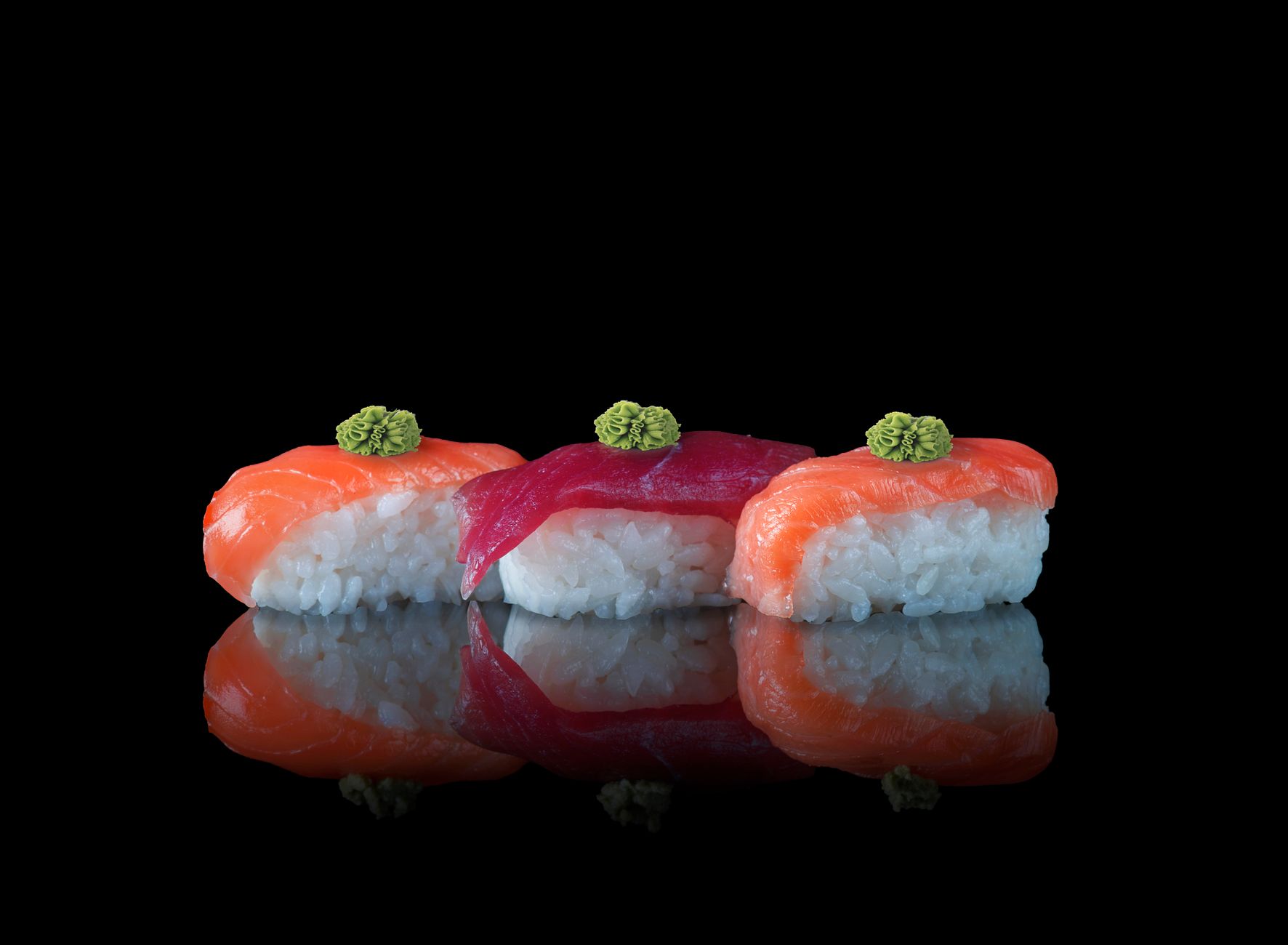
When it comes to sushi, nigiri is often a fan favorite for its simplicity and delicious combination of flavors. But does nigiri have rice? Yes, nigiri is a type of sushi that includes a small bed of rice topped with a slice of raw or cooked fish or seafood. In this article, we explore the ingredients, flavors, variations, and kitchen uses of nigiri to help you understand this delightful dish.
Nigiri, pronounced “nee-ghee-ree,” literally translates to “hand-formed.” This sushi variety has rice as its base, which is key to its identity. The rice used in nigiri is typically seasoned, and the topping can vary widely. Understanding the components and preparation methods for nigiri can enhance your appreciation of this traditional dish.
Does Nigiri Have Rice?
Yes, nigiri always includes rice as its fundamental component. The trademark of nigiri sushi is the compact rice mound, which is usually shaped by hand and topped with a slice of fish or other ingredients. The rice in nigiri is seasoned with a mixture of rice vinegar, sugar, and salt to achieve a lightly tangy flavor that complements the topping.
Key Ingredients in Nigiri
The essential components of nigiri include sushi rice, a topping (usually fish or seafood), and optional garnishes. Let’s delve into each of these ingredients in detail.
Sushi Rice
Sushi rice is short-grain rice that has a high starch content allowing it to become sticky when cooked. This stickiness is crucial for forming into the compact shapes characteristic of nigiri. Sushi rice is seasoned before it is formed, making it flavorful and slightly tangy.
- Type of Rice: The preferable choice is Japonica rice, often labeled as sushi rice or short-grain rice.
- Cooking Method: It is essential to rinse the rice before cooking to remove excess starch, which can lead to gummy rice.
- Seasoning: A mixture of rice vinegar, sugar, and salt is used to season the rice, enhancing its flavor.
Toppings
Toppings for nigiri can vary significantly, with popular choices including:
- Fish: Commonly raw fish such as tuna, salmon, or yellowtail.
- Seafood: Cooked shrimp, eel, or octopus are popular options as well.
- Vegetables: For a vegetarian option, toppings such as avocado, cucumber, or pickled vegetables can be used.
Garnishes
Garnishes enhance the flavor and presentation of nigiri. Common garnishes include:
- Wasabi: A spicy green paste often placed under the fish.
- Pickled Ginger: Served on the side for a refreshing palate cleanser.
- Sesame Seeds or Chopped Green Onions: These can add flavors and textures.
Flavor Profile of Nigiri
The balance of flavors in nigiri is one of its most appealing aspects. The sushi rice delivers a gentle sweetness and acidity, while the toppings introduce a range of flavors from rich and savory to fresh and clean.
Seasoned Rice
The rice itself has a subtle sweetness due to the sugar in the seasoning, which also provides a pleasant acidity from the vinegar. This combination creates a flavorful base that enhances the topping.
Freshness of Toppings
Fresh fish should be sweet and mild, while cooked seafood such as eel has a unique smokiness. The combination of textures—from the softness of the rice to the tenderness of the fish—contributes to a delightful eating experience.
Basic Nigiri Recipe
Making nigiri at home can be a fun and rewarding experience. Here is a simple recipe to get you started.
Yield and Timings
This recipe yields approximately 12 pieces of nigiri.
- Preparation Time: 30 minutes
- Cooking Time: 20 minutes
- Total Time: 50 minutes
Ingredients
- 2 cups sushi rice
- 2 1/2 cups water
- 1/4 cup rice vinegar
- 2 tablespoons sugar
- 1 teaspoon salt
- 12 slices of fresh fish or seafood (such as salmon, tuna, or shrimp)
- Wasabi (optional)
- Pickled ginger (optional)
Equipment
- Rice cooker or saucepan
- Medium mixing bowl
- Wooden spatula
- Plastic wrap (optional)
Method
- Rinse the sushi rice under cold water until the water runs clear. This helps remove excess starch.
- Combine the rinsed rice and water in a rice cooker or saucepan. Cook according to the rice cooker instructions or bring to a boil, then reduce heat and simmer for 18–20 minutes covered.
- In a small saucepan, combine the rice vinegar, sugar, and salt over low heat until dissolved. Do not let it boil.
- Once the rice is cooked, transfer it to a large mixing bowl and drizzle the vinegar mixture over the hot rice.
- Using a wooden spatula, gently fold the vinegar mixture into the rice while fanning it to cool it slightly. This step gives the rice its shiny appearance.
- Once the rice has cooled, wet your hands with water and take a small amount of rice (about 2 tablespoons). Form it into a compact oval shape in your hands.
- Place a slice of fish or seafood on top of the rice. If desired, place a small dab of wasabi underneath the fish.
- Repeat the process until all rice and toppings are used.
- Serve the nigiri with pickled ginger on the side.
Common Mistakes and Troubleshooting
When preparing nigiri, it’s essential to avoid a few common pitfalls that could affect the quality of your dish.
Sticky or Gummy Rice
If the rice is too sticky, it was either rinsed insufficiently or overcooked. Ensure you rinse the rice until the water runs clear and follow the correct cooking times.
Rice Too Dry
If the rice is dry, you may have undercooked it or not used enough water. Always measure your rice and water carefully.
Improper Shaping
Your nigiri should be hand-shaped gently, not compacted too firmly. The goal is a light, airy feel, rather than a dense ball of rice.
Variations on Nigiri
Nigiri is versatile and can be adapted to various tastes and dietary preferences. Here are some common variations:
Temaki (Hand Rolls)
Unlike nigiri, temaki features sushi rice and fillings wrapped in a seaweed cone rather than molded by hand.
Sashimi
For those who prefer not to have rice, sashimi consists solely of fresh fish or seafood sliced into thin pieces.
Vegetarian Nigiri
Vegetarians can enjoy nigiri topped with carrots, cucumber, or even marinated tofu.
Kitchen Uses for Nigiri
While nigiri is best enjoyed fresh, it can also be used creatively in various dishes. Here are a few kitchen uses:
As a Main Course
Nigiri can be served as a main course for a meal, either at home or showcased at special gatherings.
In Sushi Platters
For sushi parties, nigiri pairs well with other sushi rolls and sashimi, allowing for an assortment of flavors and textures.
As Part of a Bento Box
Nigiri can be included in Japanese bento boxes, complementing other traditional dishes like tempura or pickles.
Storage and Reheating Guidance
Nigiri is best consumed immediately after making it. If you need to store leftover sushi rice, here are some guidelines:
- Storage: Keep sushi rice in an airtight container in the refrigerator for up to 2 days.
- Reheating: Rice is best enjoyed at room temperature. To warm, sprinkle with water and microwave in short bursts to avoid drying it out.
- Fresh Toppings: Raw fish should be stored in the coldest part of the refrigerator and is best used within a day.
Conclusion
Nigiri is a delightful sushi type characterized by its hand-formed rice topped with fresh fish or vegetables. Understanding its components, flavor profile, and preparation techniques can empower you to create delicious nigiri at home. With a bit of practice, you can make this beautiful dish that celebrates the harmony of flavors.
If you’re interested in expanding your culinary repertoire, consider exploring our recipes for Arborio rice or learning about the gluten-free nature of basmati rice. You can enhance your cooking skills with a variety of dishes and ingredients!