
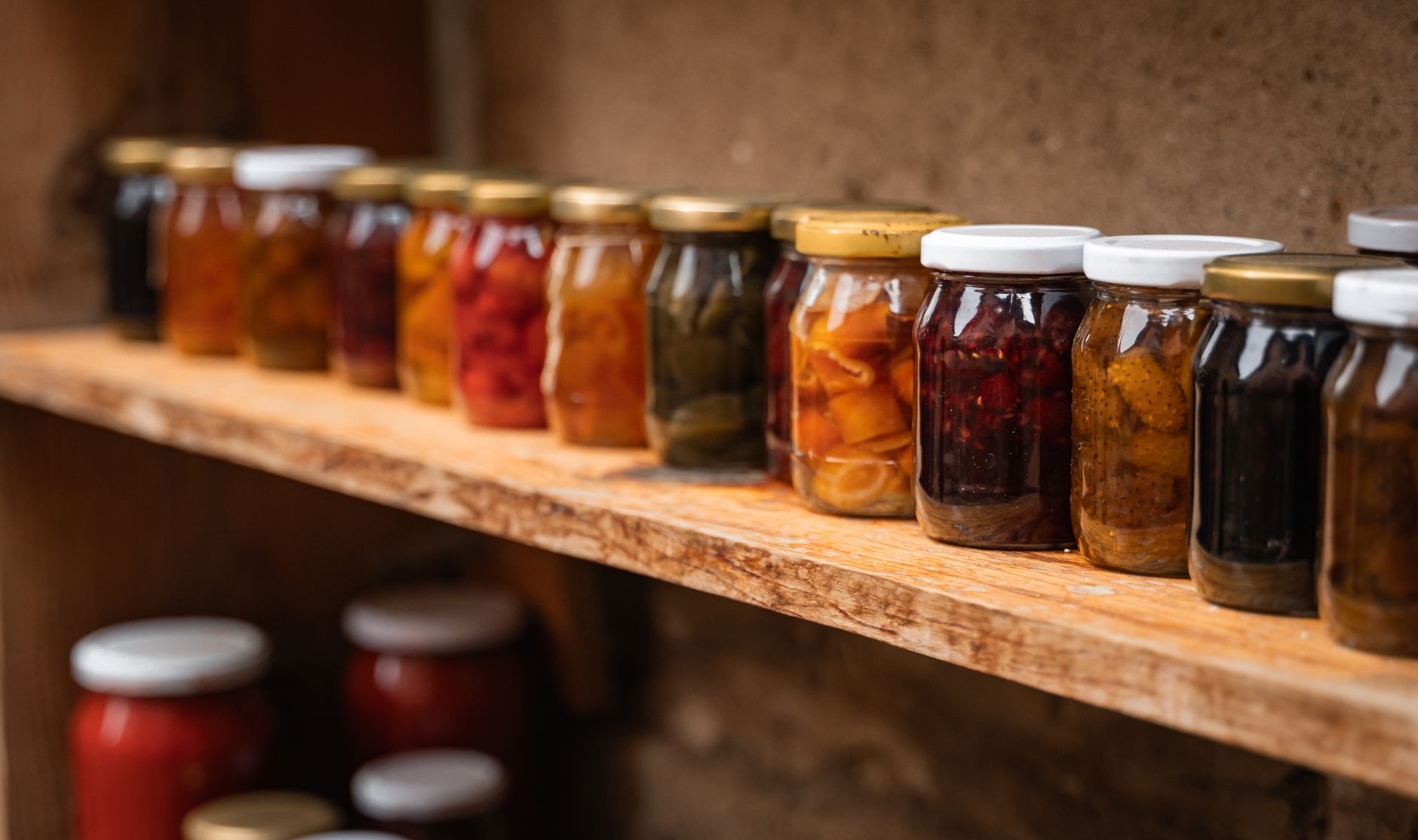
Jelly is a beloved staple in many households, often used as a spread on toast, an ingredient in desserts, or a sweet addition to various dishes. However, a common question arises: does jelly need to be refrigerated? Understanding how to store jelly is essential for maintaining its freshness and safety.
This article will delve into the factors affecting jelly storage, including its ingredients, opened versus unopened jars, and practical safety tips. It will also cover how to tell if jelly is still good to eat and best practices for extending its shelf life.
Does Jelly Need to Be Refrigerated?
Jelly typically does not need to be refrigerated if it is unopened and shelf-stable. However, once opened, it is recommended to refrigerate jelly to prolong its freshness and prevent spoilage. The high sugar content in jelly acts as a preservative, but refrigeration helps maintain its quality and flavor over time.
Understanding Jelly Composition
To comprehend jelly storage, it’s essential to know its composition. Jelly is primarily made from fruit juice, sugar, and pectin, which is what gives it its gel-like consistency. The ingredients play a crucial role in its preservation:
- Fruit Juice: Provides natural acidity and flavor.
- Sugar: Acts as a preservative, inhibiting the growth of microorganisms.
- Pectin: A natural thickening agent that helps create the gel.
Opened vs. Unopened Jelly
The way you store jelly depends significantly on whether it is opened or unopened.
Unopened Jelly
Unopened jelly jars can be stored in a cool, dark pantry for months, and even up to a year, depending on the brand and type. The high sugar content maintains its quality without refrigeration. Be sure to keep it away from direct sunlight and excessive heat to prevent degradation.
Opened Jelly
Once a jar of jelly is opened, it’s important to refrigerate it. Refrigeration helps slow down the growth of bacteria and mold, which can develop after the seal is broken. Always check the manufacturer’s guidelines, as some commercial brands may have specific recommendations. Generally, opened jelly is best used within six months to ensure optimal quality.
Signs That Your Jelly Has Spoiled
Even with careful storage, jelly can spoil. It’s important to know the signs of spoilage to avoid consuming bad jelly:
- Mold Formation: Visible mold on the surface indicates that the jelly is spoiled. Discard it immediately.
- Off Odor: A sour or off smell is a warning sign; if the jelly smells unusual, do not consume it.
- Change in Color: If the jelly has darkened significantly or developed discoloration, it’s best to err on the side of caution and throw it out.
- Separation: While some separation is normal, excessive liquid pooling might indicate spoilage.
Best Practices for Storing Jelly
To extend the shelf life of your jelly, follow these best practices:
- Keep it Sealed: Always ensure the lid is tightly sealed after each use. This reduces the risk of air exposure, which can lead to spoilage.
- Avoid Contamination: Use a clean utensil to scoop jelly out of the jar to prevent introducing bacteria. Never dip bread or fingers directly into the jar.
- Use a Dedicated Jar: If you plan to use jelly frequently, consider transferring a small amount to a separate, smaller jar for easier access while keeping the original sealed.
Can You Freeze Jelly?
Freezing jelly is another option for long-term storage. Here’s what to know about freezing jelly:
- Freezing: Jelly can be frozen successfully without compromising its texture. Use a freezer-safe container, leaving some space at the top for expansion during freezing.
- Thawing: When ready to use, thaw the jelly in the refrigerator or at room temperature. Avoid using a microwave, as this can alter its texture.
Practical Safety Tips
When it comes to food safety, consider these guidelines:
- Check Expiration Dates: Always pay attention to the expiration date on the jar. Consuming jelly beyond this point can lead to spoilage.
- Storage Conditions Matter: Maintain a consistent temperature in your refrigerator. Frequent temperature fluctuations can affect the quality of the jelly.
- Use Your Senses: Trust your senses. If the jelly looks, smells, or tastes off, it’s safer to toss it.
Using Leftover Jelly Creatively
If you find yourself with leftover jelly, consider these creative uses to prevent waste:
- Glazes: Use jelly as a glaze for meats and vegetables. It adds a sweet and sticky finish that’s particularly good for roasted meats.
- Sandwiches: Besides traditional use on toast, try mixing jelly with cream cheese for a sweet sandwich spread.
- In Desserts: Incorporate jelly into desserts like trifles, tarts, or as a filling for pastries.
- Salad Dressings: Whisk jelly into vinaigrettes for an added sweetness in salads.
Common Mistakes When Storing Jelly
Even knowledgeable cooks can make mistakes when it comes to jelly storage. Here are some common pitfalls to avoid:
- Ignoring Storage Guidelines: Always check the labels for specific storage guidelines based on the manufacturer’s recommendations.
- Not Refrigerating Promptly: After opening, make sure to put jelly in the fridge right away instead of leaving it out.
- Overlooking the Use-By Date: Always be vigilant about the expiration date, especially if the jelly has been opened for a while.
Conclusion
Knowing how to properly store jelly can significantly enhance its lifespan and quality. While unopened jelly can stay safely in the pantry, once opened, it should be refrigerated and handled carefully to avoid spoilage. Always check for signs of spoilage and use clean utensils when scooping. With these tips, you can enjoy your favorite jelly for longer and find new ways to use it in your cooking and baking adventures.
Explore our delicious grape jelly meatball recipe for a savory way to use jelly or try out our crab apple jelly recipe for a unique twist to your pantry staples.