
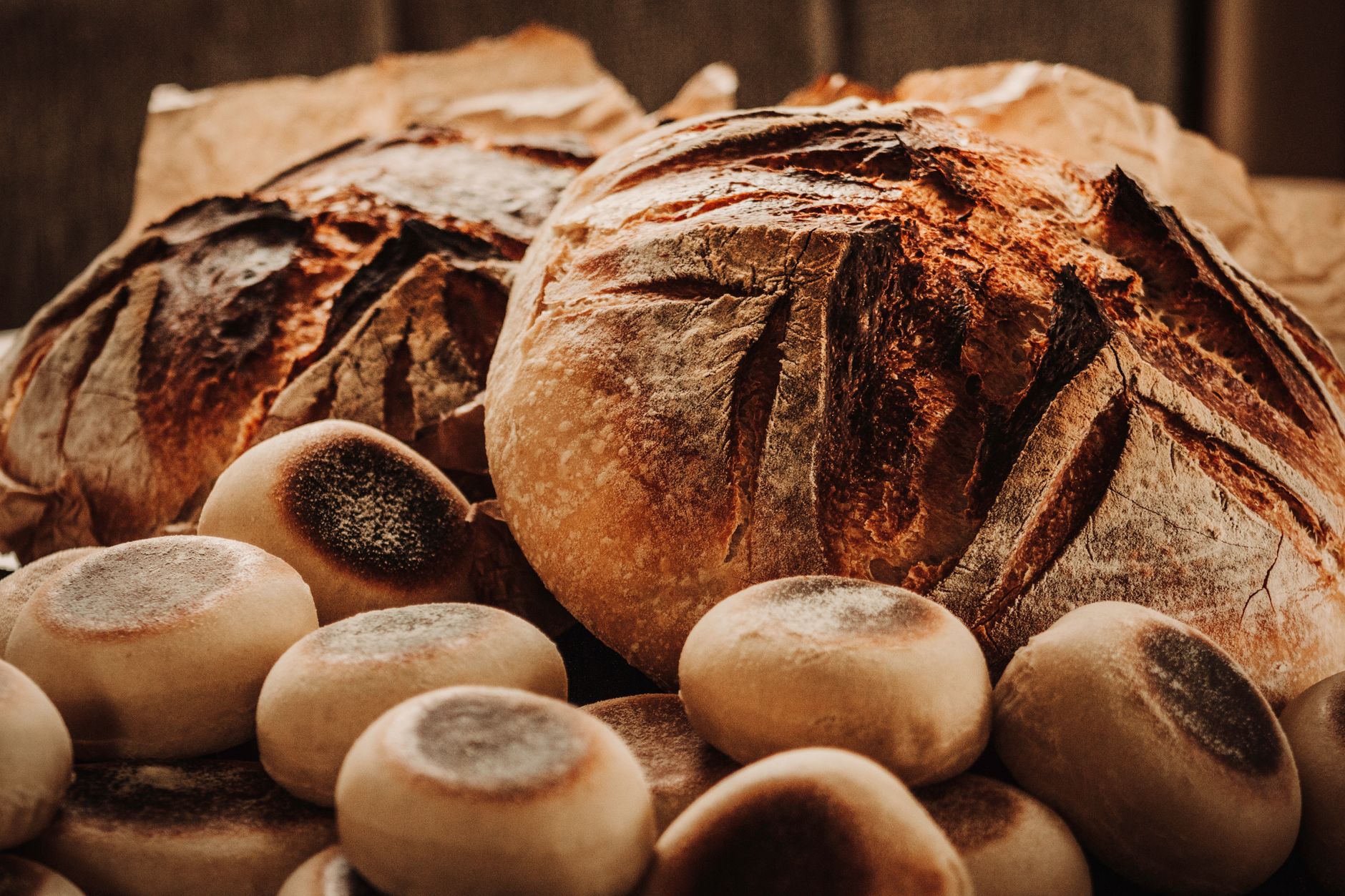
Sourdough bread has gained popularity for its unique flavor and artisanal qualities. As more people become interested in homemade bread, questions surrounding its ingredients naturally arise. One of the most common inquiries concerns whether homemade sourdough bread contains gluten, especially among those who might have gluten sensitivities or are adopting gluten-free diets.
In this article, we’ll explore the gluten content in homemade sourdough bread, what makes sourdough unique, and how you can manage gluten intake while enjoying this delightful baked good.
Does Homemade Sourdough Bread Have Gluten?
Yes, homemade sourdough bread typically contains gluten unless made with alternative, gluten-free flours. Traditional sourdough recipes use wheat flour, which is rich in gluten, contributing to the bread’s structure and chewiness. However, gluten-free versions can be made using flours like rice, almond, or chickpea.
Understanding Gluten in Bread
Gluten is a protein found in wheat and related grains such as barley and rye. It gives dough its elasticity, allowing it to rise and maintain shape. When flour is mixed with water, gluten proteins intertwine, forming a matrix that traps air bubbles created by yeast, resulting in the bread’s fluffy texture.
The primary protein components of gluten are gliadin and glutenin. Gliadin is responsible for the elasticity of the dough, while glutenin contributes to its strength. This combination allows sourdough artfully to support its airy structure while delivering a satisfying chew.
What Makes Sourdough Different?
Sourdough differs from other types of bread due to its fermentation process. Unlike commercially yeasted bread, sourdough relies on wild yeast and lactic acid bacteria present in the environment. This natural fermentation enhances the flavor and gives it a distinctive tang, as well as contributes to improved digestibility.
The fermentation process also breaks down some of the gluten in the bread, which can make it easier to digest for certain individuals. However, for those with celiac disease or severe gluten intolerance, even this reduced gluten content is not safe to consume.
Is Sourdough Safe for Gluten Sensitivity?
For individuals with gluten sensitivities, sourdough can sometimes be more tolerable than regular bread, primarily due to the fermentation process. However, it is essential to understand that homemade sourdough bread made from traditional wheat flour remains unsuitable for those with celiac disease or gluten intolerance. Even trace amounts of gluten can trigger reactions in sensitive individuals.
Substituting for Gluten-Free Options
If you’re interested in making sourdough bread without gluten, it is possible by using gluten-free flours. Here are a few popular gluten-free alternatives:
- Rice Flour: A common gluten-free flour, rice flour provides a neutral flavor and is often used in gluten-free bread recipes.
- Almond Flour: High in fat and protein, almond flour can give bread a moist texture and is a favorite in gluten-free diets.
- Chickpea Flour: This flour offers a nutty flavor and is rich in protein, making it a nutrient-dense option for gluten-free baking.
- Oat Flour: Made from ground oats, oat flour gives bread a mild, slightly sweet taste and can offer additional dietary fiber.
- Sorghum Flour: Known for its light texture, sorghum flour is often combined with other gluten-free flours to enhance the bread’s structure and taste.
Combining different gluten-free flours often yields the best results, as this can help mimic the properties of gluten in traditional bread dough.
How to Make Gluten-Free Sourdough Bread
Making gluten-free sourdough bread requires some adjustments to the traditional sourdough process. Here’s a basic outline of how to create a gluten-free sourdough starter and then translates that into a gluten-free bread recipe.
Creating a Gluten-Free Sourdough Starter
To start, you will need to create your gluten-free sourdough starter, which takes about 5 to 7 days to develop a robust culture. You’ll need:
- 1 cup gluten-free flour
- 1 cup water (filtered or non-chlorinated)
- In a mixing bowl, combine the gluten-free flour and water. Mix until you have a smooth paste.
- Cover the bowl with a clean cloth or plastic wrap and let it sit at room temperature for 24 hours.
- Each day for the next 5-7 days, feed your starter by discarding half of it and adding another 1 cup of gluten-free flour and 1 cup of water. Stir well.
- Your starter is ready to use when it’s bubbly and has a pleasant sour smell.
Gluten-Free Sourdough Bread Recipe
Once your starter is ready, you can use it to make gluten-free sourdough bread. Here’s a straightforward recipe.
- 1 cup gluten-free sourdough starter
- 1 cup water (room temperature)
- 2 cups gluten-free flour blend (e.g., a mix of rice flour, almond flour, and oat flour)
- 1 teaspoon salt
- 1 tablespoon honey or sugar (optional for slight sweetness)
- In a large bowl, combine the sourdough starter and water, stirring until smooth.
- Add the gluten-free flour blend and salt (and honey/sugar if using). Mix until it’s fully combined, and you have a thick batter.
- Cover the bowl with a clean cloth and let it rise in a warm, draft-free area for 4-6 hours, or until it has doubled in size.
- Once it has risen, preheat your oven to 375°F (190°C). Line a loaf pan with parchment paper.
- Transfer the dough to the prepared loaf pan, smoothing out the top with a spatula.
- Bake for about 45-60 minutes or until the bread is golden brown and sounds hollow when tapped on the bottom.
- Allow the bread to cool in the pan for 10 minutes before transferring it to a wire rack to cool completely.
Common Mistakes in Sourdough Baking
Baking sourdough, whether traditional or gluten-free, does have its challenges. Here are some pitfalls to watch for:
- Not Feeding the Starter: Ensure that your starter is lively and well-fed before using it in your recipe.
- Temperature Control: Let the dough rise in a warm environment. Cold temperatures can lead to sluggish fermentation.
- Overbaking or Underbaking: Keep an eye on your loaf during baking; the right color and hollow sound when tapped are key indicators of doneness.
- Using the Wrong Flour Blend: Gluten-free flours behave differently than wheat flour, so ensure you’re using a suitable blend for the best structure and flavor.
Flavor and Texture Considerations
Homemade sourdough bread made with gluten will have a characteristic crusty exterior and chewy texture. The fermentation process creates complex flavors that range from mildly sour to tangy. Gluten-free sourdough will have a different texture and can be denser than traditional sourdough, but combining flours with various properties can help achieve a pleasing outcome.
When making gluten-free bread, expect a slightly different flavor profile, often nutty or sweet, which can be delightful in its own right. Experimenting with additional ingredients, such as herbs, seeds, or even spices, can enhance flavor further.
Storing Your Sourdough Bread
Proper storage is essential to maintain the freshness and quality of your sourdough bread. Here are some guidelines:
- Room Temperature: Store homemade sourdough bread in a paper bag at room temperature for up to three days. This helps it to breathe without becoming stale.
- Freezing: For longer shelf life, wrap the bread tightly in plastic wrap and aluminum foil, then freeze. Slice the bread before freezing for easy thawing. It can last for up to three months in the freezer.
- Reheating: To revive frozen sourdough bread, let it thaw in the refrigerator overnight, then reheat in the oven at 350°F (175°C) for about 10-15 minutes until warmed through.
Conclusion
Homemade sourdough bread commonly contains gluten unless a gluten-free alternative is used. The fermentation process can reduce the gluten content and make it easier to digest for some, but it remains unsuitable for those with celiac disease or severe gluten sensitivity. For those looking to enjoy the benefits of sourdough without gluten, exploring gluten-free options and crafting your starter can lead to delicious results.
For further reading on sourdough and guidance on related recipes, consider exploring what sourdough is and trying out a sourdough baguette recipe to expand your baking repertoire.