
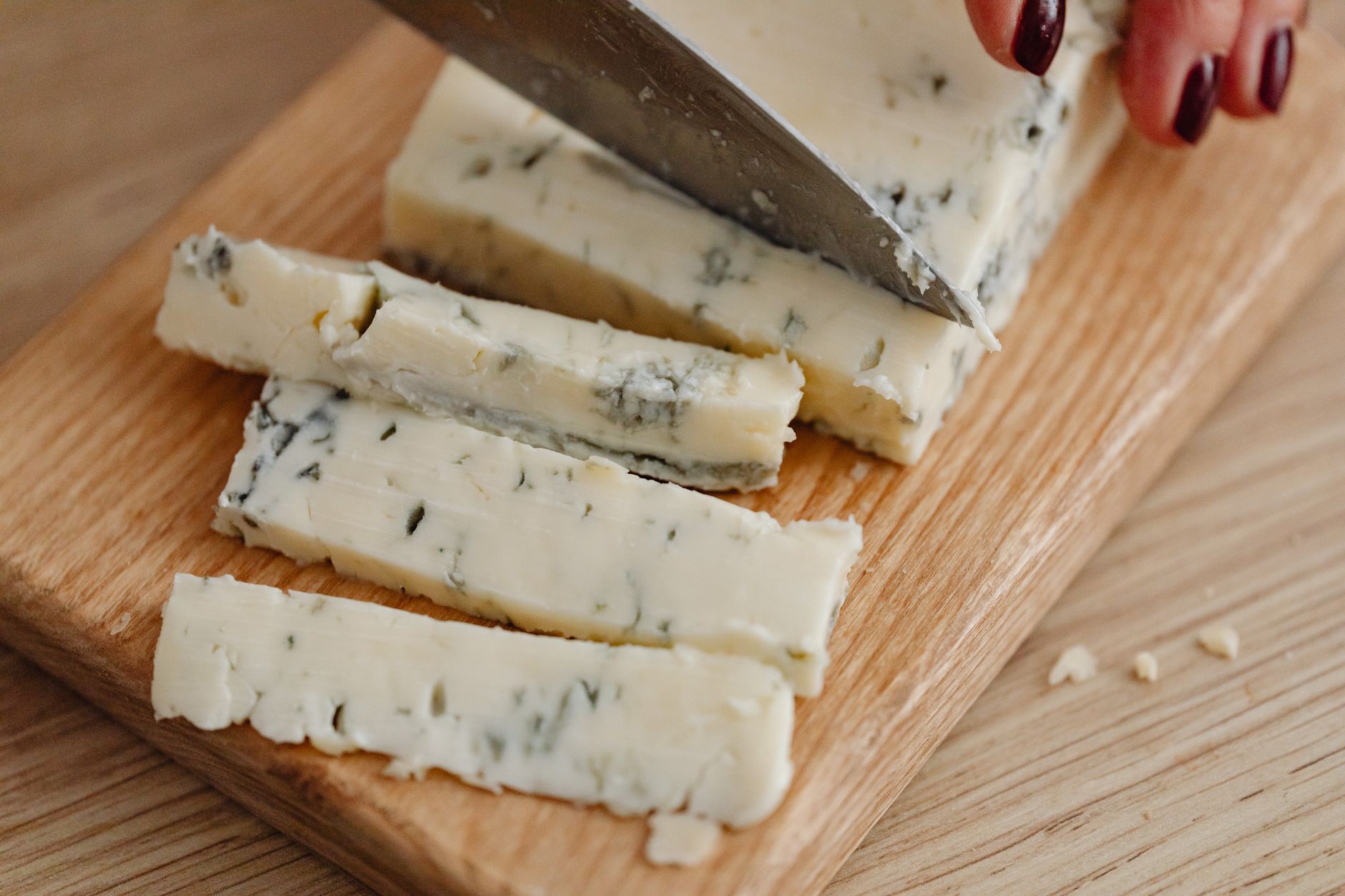
Gorgonzola and blue cheese are often discussed interchangeably, leading many to wonder if Gorgonzola, an Italian cheese, tastes similar to blue cheese varieties. Both offer distinct flavors and textures that can enhance various dishes, but understanding their similarities and differences can help home cooks choose the right cheese for their needs.
In this comprehensive guide, we will explore the flavor profiles, textures, uses in cooking, and some practical substitutions for Gorgonzola and blue cheese. By the end, you will have a clearer understanding of how Gorgonzola compares to blue cheese and how to incorporate them into your culinary creations.
Does Gorgonzola Taste Like Blue Cheese?
Yes, Gorgonzola does taste like blue cheese, as it is a type of blue cheese. However, each cheese has its unique flavor profile. Gorgonzola tends to have a creamier texture and a slightly milder, more earthy flavor than many other blue cheeses. While both cheeses have that characteristic blue veining and tanginess, the intensity and specific notes vary.
Understanding Gorgonzola
Gorgonzola is an Italian cheese made from cow’s milk, predominantly produced in the northern regions of Italy, such as Piedmont and Lombardy. There are two main types of Gorgonzola:
- Gorgonzola Dolce: This is the milder, creamier version, aged for about three months. It offers a sweet, buttery flavor and a soft texture.
- Gorgonzola Piccante: This version is aged longer, for about five to six months, resulting in a sharper, more pungent flavor and a crumblier texture.
Flavor Profile of Gorgonzola
The flavor of Gorgonzola can be described as complex, with nutty, earthy notes and a hint of sweetness, particularly in the Dolce variety. The blue mold creates a tangy, creamy finish that pairs well with various dishes, balancing sweetness and saltiness.
Texture of Gorgonzola
Gorgonzola has a creamy texture, especially in the Dolce version. It can be spreadable, making it an excellent choice for appetizers or as a topping. The Piccante variant tends to be firmer and crumblier, similar to other robust blue cheeses.
Understanding Blue Cheese
Blue cheese is a general term representing various cheeses made with cultures of the mold Penicillium, creating blue or green veins throughout the cheese. Some well-known varieties include Roquefort, Stilton, and Danish Blue.
Flavor Profile of Blue Cheese
The flavor of blue cheese varies widely among different types, but it typically features strong, pungent notes complemented by creaminess. Roquefort, for example, is known for its sharp, peppery flavor, while Stilton is often creamier and milder.
Texture of Blue Cheese
Blue cheeses vary in texture depending on their aging process. Some are creamier, while others are more crumbly and dry. The range of textures allows blue cheese to be used in various culinary applications, from salads and dips to main dishes.
Comparing Gorgonzola and Other Blue Cheeses
While Gorgonzola and other blue cheeses share similarities, each has distinct characteristics that make them unique. Here are some comparisons of Gorgonzola with a few popular blue cheeses:
Gorgonzola vs. Roquefort
- Flavor: Roquefort has a sharper, more intense flavor compared to Gorgonzola, which is generally milder.
- Texture: Roquefort is typically crumblier, whereas Gorgonzola can be creamier.
- Milk Source: Roquefort is made from sheep’s milk, while Gorgonzola is made from cow’s milk.
Gorgonzola vs. Stilton
- Flavor: Stilton carries a rich, creamy flavor that is slightly less tangy than Gorgonzola.
- Texture: Stilton is known for its crumbly texture, whereas Gorgonzola can be spreadable.
- Origin: Stilton is produced in England, while Gorgonzola is Italian.
Gorgonzola vs. Danish Blue
- Flavor: Danish Blue has a stronger, more pronounced taste than Gorgonzola’s milder profile.
- Texture: Both cheeses can have a creamy texture, though Danish Blue can be firmer.
- Milk Source: Danish Blue is made from cow’s milk, similar to Gorgonzola.
Common Uses for Gorgonzola and Blue Cheese
Both Gorgonzola and blue cheese are versatile cheeses that enhance a variety of dishes. Here are some popular applications:
Salads
Gorgonzola adds creaminess and a touch of tang to salads. Crumble it over mixed greens, or incorporate it into dressings for a rich, flavorful vinaigrette. Blue cheese pairs well with roasted fruits like pears or figs and complements nutty flavors in salads.
Pasta Dishes
Incorporate Gorgonzola into creamy pasta sauces for added depth and flavor. The cheese melts well, blending smoothly with cream or butter sauces. Blue cheese can also be crumbled over pasta dishes to create a contrasting texture and flavor.
Meat and Poultry
Both cheeses work well as toppings for grilled or roasted meats. Gorgonzola’s creamy texture pairs beautifully with steak or chicken breast, while blue cheese enhances flavors in poultry dishes. Consider creating a blue cheese sauce to drizzle over grilled meats for a rich finishing touch.
Pizza and Flatbreads
Using Gorgonzola as a topping for pizza or flatbreads offers a delightful blend of flavors. The creaminess of Gorgonzola pairs beautifully with toppings like caramelized onions or pears, balancing sweet and savory elements. Blue cheese also makes an excellent addition to these dishes, providing a bold flavor contrast.
Desserts
Blue cheeses can even find a place in desserts. Pair Gorgonzola with sweet accompaniments like honey, nuts, or dark chocolate to create a unique dessert experience. The contrast between the sweet elements and the tangy cheese can be a delightful surprise for your guests.
Practical Substitutions for Gorgonzola and Blue Cheese
If you find yourself without Gorgonzola or blue cheese, several alternatives can provide a similar flavor profile. Here are some practical substitutes:
Substitutes for Gorgonzola
- Other Blue Cheeses: For a similar flavor, consider using Roquefort or Stilton, though expect a stronger taste.
- Feta Cheese: Crumbled feta can provide a briny flavor and a bit of tanginess, though it lacks the creaminess of Gorgonzola.
- Ricotta with Blue Cheese Crumbles: Mixing ricotta with a bit of blue cheese can mimic the creaminess of Gorgonzola, suitable for dishes requiring a spread.
Substitutes for Blue Cheese
- Feta Cheese: This can provide a similar tangy flavor profile, though it lacks the blue veins characteristic of blue cheese.
- Cream Cheese with Blue Cheese Additions: Mixing cream cheese with blue cheese creates a creamy alternative suitable for dips.
- Goat Cheese: This cheese can offer a tangy flavor, though it is milder and creamier than blue cheese.
Tips for Cooking with Gorgonzola and Blue Cheese
To get the most out of Gorgonzola and blue cheese in your cooking, consider the following tips:
Storing Cheese
- Wrap Gorgonzola and blue cheese in wax paper or parchment paper to allow them to breathe while preventing them from drying out.
- Store these cheeses in a sealed container in the refrigerator, preferably in the cheese compartment to maintain optimal humidity.
Using Cheese in Cooking
- When using Gorgonzola or blue cheese in warm dishes, add it towards the end of the cooking process to preserve its flavor.
- Taste as you go! The intensity of the cheese can vary, so adjust quantities to suit your dish.
Common Mistakes
- Adding cheese too early in cooking can lead to a loss of flavor. Incorporate it at the end for the best results.
- Overusing cheese can overwhelm other flavors. Start with small amounts and adjust as needed.
Conclusion
Gorgonzola and blue cheese share many attributes, yet each has unique characteristics that can enhance your culinary creations. Whether you’re adding Gorgonzola to a salad, incorporating blue cheese into a sauce, or experimenting with other ingredients, both cheeses can elevate your dishes’ flavor and texture.
Next time you’re in the cheese aisle or planning a meal, remember the delightful differences between these two cheeses. Understanding these distinctions will help you make informed choices that will enhance your cooking. If you’re interested in exploring more about cheese or finding interesting ways to use these ingredients, check out our guides on cheese pairings, salad recipes, or sauces to enrich your culinary toolkit.