
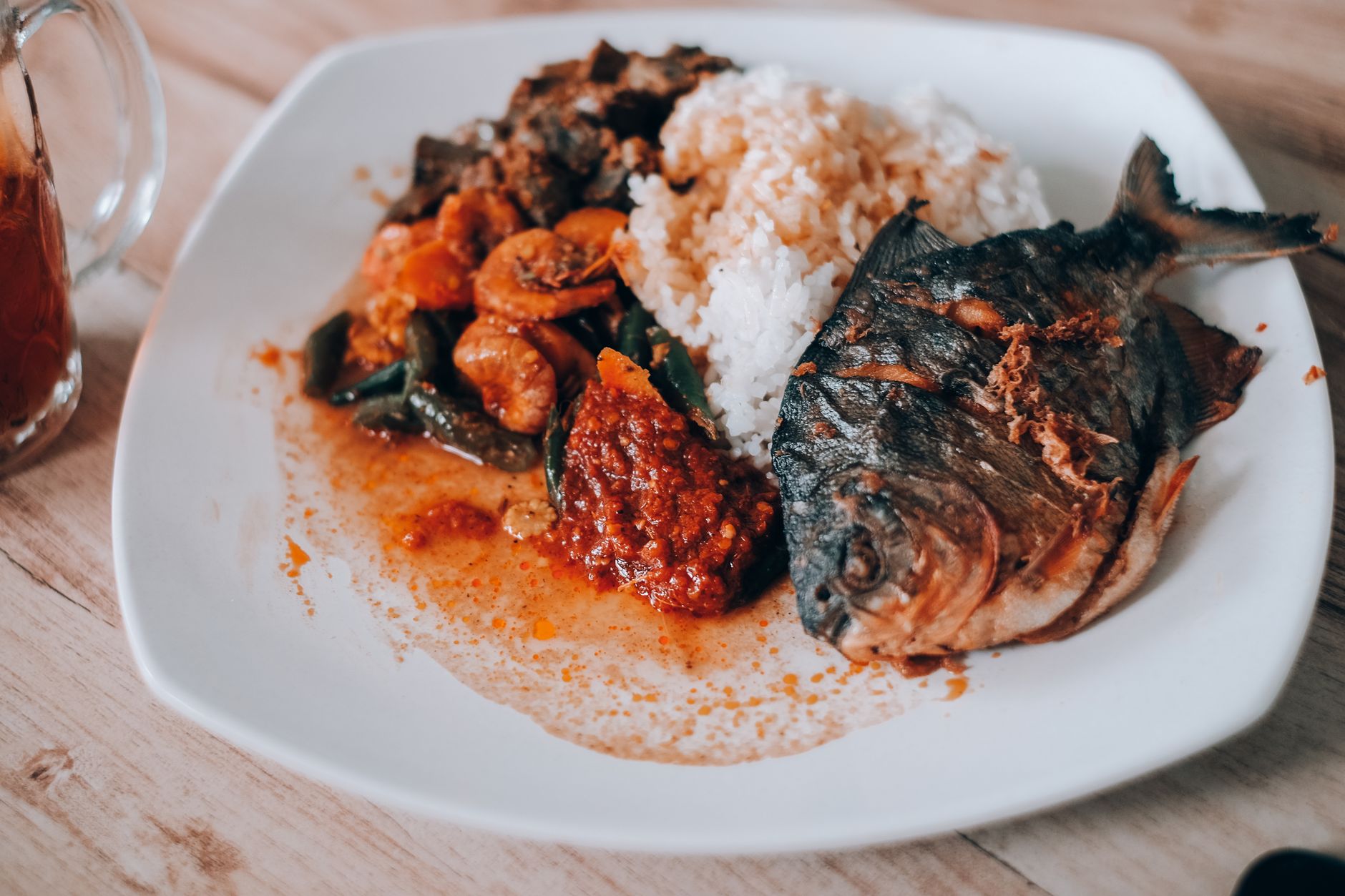
Many people enjoy fish as a healthy protein option, but concerns about digestion often arise. A common question is whether consuming fish can lead to gas or discomfort. This article explores the factors related to fish consumption, including fiber content, portion sizes, and how digestion works, to clarify if eating fish can indeed make you gassy.
Understanding why we experience gas after eating certain foods can help you enjoy fish without unnecessary anxiety. By diving deep into the composition of fish and its effects on the digestive system, we can offer clear insights and practical tips for maintaining digestive comfort.
Does Fish Make You Gassy?
Generally, fish is not associated with causing gas. Fish is a low-fiber protein that is easily digestible for most people. However, individual reactions vary, and factors such as preparation methods, accompaniments, and personal digestive health may contribute to gas production.
Digestion Basics: How Your Body Processes Fish
The process of digestion begins in the mouth and continues in the stomach and intestines. Fish proteins are relatively easy for the body to break down, thanks to their unique amino acid structures.
Stomach and Intestinal Digestion
Once fish reaches the stomach, gastric acids help to break down proteins. As fish moves into the small intestine, enzymes further digest it, allowing the nutrients to be absorbed. The remaining waste then proceeds to the large intestine, where further fermentation can occur, especially if fiber-rich foods are consumed alongside fish.
Fiber’s Role in Gas Production
Gas is primarily produced in the digestive tract when fiber-rich foods ferment. Fish contains negligible fiber, and thus, it typically does not produce gas unless combined with gas-inducing ingredients such as beans or cruciferous vegetables. It’s essential to consider what you pair with your fish meal.
Fiber Content in Fish Compared to Other Foods
Fiber is a key player in digestive health, helping to regulate bowel movements and feeding good gut bacteria. Here’s a quick comparison of fiber content in common foods:
| Food | Fiber Content (per 100g) |
|---|---|
| Fish (e.g., Salmon) | 0g |
| Beans | 6-8g |
| Broccoli | 2-3g |
| Whole Wheat Bread | 6-7g |
| Fruits (e.g., Apples) | 2.4g |
Factors That May Cause Gas When Eating Fish
While fish alone is not typically a gas-inducing food, other factors can contribute to discomfort after eating fish. Understanding these factors can help optimize your meals.
1. Preparation Methods
How you cook fish can influence digestive responses. Greasy preparations or rich sauces may lead to discomfort or gas, as the body may struggle to digest fats efficiently. Steaming, grilling, or baking fish with minimal oil can help alleviate these issues.
2. Accompaniments and Side Dishes
The sides served with fish play a significant role in digestion. Here are some common accompaniments that can lead to gas:
- Beans or legumes
- Cruciferous vegetables (broccoli, cauliflower, Brussels sprouts)
- Whole grains (brown rice, whole wheat pasta)
- Carbonated beverages
These foods contain higher fiber levels or fermentable carbohydrates that can cause gas when digested alongside the fish.
3. Personal Digestive Health
Your unique digestion capability also impacts how you react to different foods. Conditions such as irritable bowel syndrome (IBS), lactose intolerance, or other digestive disorders can heighten sensitivity to certain food combinations, leading to gas and bloating.
Portion Control: Finding Your Comfort Zone
Another aspect to consider is portion size. Consuming large amounts of any food—healthful or not—can trigger digestive discomfort. It’s essential to listen to your body when determining how much fish is right for you.
Managing Portions
Here are some tips for managing portion sizes effectively:
- Start with a moderate portion of fish, around 3-4 ounces for an adult.
- Pair fish with appropriate side dishes in smaller servings.
- Consider your overall meal; rich sauces or heavy sides may warrant smaller fish portions.
Cooking Techniques for Digestive Comfort
Using specific cooking techniques can also contribute to a more digestible meal, helping you to enjoy fish without the worry of gas discomfort. Here are some recommendations:
Grilling
Grilling fish enhances its natural flavors without the need for heavy oils or sauces. This method also allows fat to drip away from the fish, making it a lighter option.
Steaming
Steaming preserves nutrients and minimizes fat, making it easier for your body to break down the fish. Try steaming with herbs or lemon for added flavor without extra calories.
Baking
Baking fish at a moderate temperature allows it to cook evenly without drying it out, helping to maintain its texture while avoiding excessive added fats.
Common Mistakes to Avoid When Preparing Fish
Here are some common pitfalls to steer clear of to improve your digestive experience when consuming fish:
- Overcooking fish can make it tough and less enjoyable to eat.
- Using excessive fatty marinades can lead to discomfort for sensitive individuals.
- Pairing fish with heavy starches may lead to a heavier digestive load.
Practical Tips for Reducing Gas When Eating Fish
To further minimize the possibility of gas after enjoying fish, consider the following:
- Chew your food thoroughly to help break it down before it enters the digestive system.
- Stay hydrated! Drinking enough water aids digestion and helps regulate the gastrointestinal tract.
- Avoid carbonated beverages alongside your meal; they can introduce gas into your digestive system.
What to Do If You Experience Gas After Eating Fish
If you do experience gas, there are steps that you can take to alleviate discomfort:
- Gentle walking or light exercise can encourage digestion and relieve gas.
- Consider taking over-the-counter medications designed to reduce gas production if necessary.
- A warm herbal tea can also be soothing for gas discomfort.
Alternative Protein Sources with Unique Effects on Digestion
If you frequently encounter issues with gas when eating fish or wish to explore other protein options, consider these alternatives:
- Chicken or turkey: Lean poultry tends to be well-tolerated and low in fiber.
- Eggs: A great source of protein with minimal impact on gas production.
- Tofu or tempeh: Plant-based proteins that can vary in fiber content, so check labels.
Cooking Fish for Different Diets
Many dietary preferences can be accommodated with fish as a protein source. Here are a few considerations:
Low-FODMAP Diet
For those following a low-FODMAP diet due to IBS or similar conditions, most fish are suitable. Combine them with low-FODMAP vegetables such as carrots or spinach.
Paleo Diet
Fish fits seamlessly into the Paleo diet, emphasizing whole, unprocessed foods. Opt for grilled or baked options paired with antioxidants-rich vegetables.
Ketogenic Diet
Fish is a fantastic source of protein for those following a ketogenic diet. Fatty fish like salmon are especially beneficial due to their high Omega-3 content.
In summary, while fish itself is unlikely to cause gas, the way it is prepared, portion sizes, and what it is served with plays a significant role in digestive comfort. Understanding your body, cooking methods, and accompanying foods can help you better enjoy fish without the concern of discomfort.
As you dive into your culinary adventures, consider exploring related topics such as how to tell if salmon is bad or learning about the possibility of refreezing fish. These insights can enhance your cooking experience and ensure your meals are both delicious and safe.
For more recipes, cooking tips, or food guides, feel free to explore options like how to tell if salmon is bad and can you refreeze fish.