
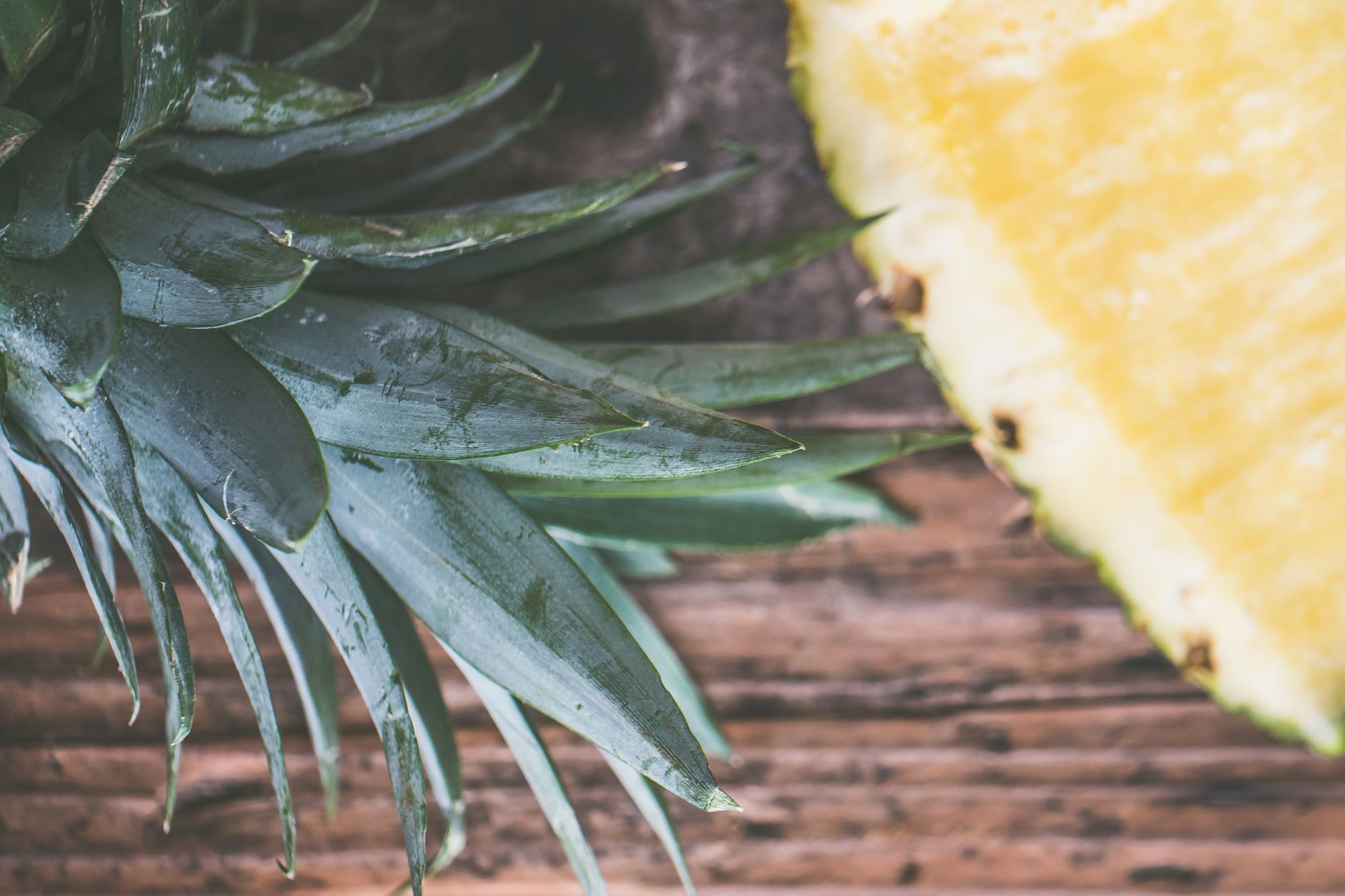
Pineapple, with its vibrant yellow hue and sweet-tart flavor, often finds its way into a variety of dishes and drinks. But does eating pineapple really improve the overall taste experience, and what makes it such a beloved ingredient? In this guide, we’ll explore the unique flavor profile of pineapple, its culinary uses, and how it can elevate your meals with delicious notes of sweetness and acidity.
From its juicy texture to its aromatic compounds, pineapple has much to offer in terms of flavor. Whether you’re blending it into smoothies, grilling it for your next barbecue, or incorporating it into savory dishes, this tropical fruit can enhance the taste of various foods. Join us as we delve into why pineapple deserves a special place in your kitchen.
Does Eating Pineapple Make It Taste Better?
Yes, eating pineapple can indeed enhance the flavor of many dishes. Its natural sweetness and acidity balance well with savory ingredients, and it adds a vibrant pop of flavor that can brighten up a meal. Additionally, the enzymes in pineapple can help to tenderize proteins, making it a versatile ingredient in both cooking and baking.
What’s in Pineapple? Exploring Its Flavor Profile
Pineapple is composed of several key components that contribute to its unique taste. Understanding these can help you appreciate how its flavor interacts with other ingredients.
Natural Sugars
The tropical sweetness of pineapple comes from its natural sugars, mainly fructose, glucose, and sucrose. This sweetness can counterbalance salty or sour flavors, making it a great addition to dressings or marinades.
Acidity
Pineapple is also noticeably acidic, with a pH level ranging between 3-4. This acidity creates a refreshing tang, similar to citrus fruits, which can cut through richer dishes or add a zing to desserts.
Aromatic Compounds
Beyond taste, pineapple contains various aromatic compounds that contribute to its fragrance and overall sensory appeal. These include esters, which can evoke feelings of freshness and nostalgia, making dishes more inviting.
Bromelain Enzymes
One of the most interesting components of pineapple is bromelain, a mixture of proteolytic enzymes that break down proteins. This property makes pineapple an excellent tenderizer for meats, often used in marinades. Its ability to soften proteins can enhance the texture and overall experience of a dish.
Culinary Uses of Pineapple
Pineapple’s versatility means it can be used in a wide array of culinary applications. Here are some common and creative ways to incorporate this tropical fruit into your meals:
1. Fresh and Raw
Eating pineapple fresh is one of the most popular ways to enjoy it. Here are some ideas:
- Cut into chunks and served as a refreshing snack or fruit salad addition.
- Add to green salads for a sweet contrast with bitter greens.
- Blend into smoothies for a tropical twist.
2. Grilled or Roasted
Cooking pineapple intensifies its sweetness and adds a caramelized flavor.
- Grill slices to serve alongside pork or chicken.
- Roast with other vegetables for a sweet and savory side dish.
3. In Cooking and Sauces
Pineapple can also be incorporated into various sauces and marinades:
- Create a sweet and tangy barbecue sauce with crushed pineapple.
- Incorporate diced pineapple into stir-fries for a hint of sweetness.
4. Desserts
From cakes to sorbets, pineapple adds a delicious flavor to sweets:
- Use in upside-down cakes or tarts.
- Blend into sorbets for a refreshing summer treat.
5. Drinks and Cocktails
Pineapple juice is a staple in many tropical drinks:
- Mix into cocktails like piña coladas or add to sparkling water for a refreshing beverage.
- Use in smoothies alongside yogurt for a nutritious breakfast option.
Flavor Pairings: What Goes Well With Pineapple?
Pineapple’s sweet and tart flavor makes it versatile but certain ingredients enhance its taste even more. Here are some great pairings:
Sweet Ingredients
- Coconut – The creaminess of coconut complements pineapple in treats like tropical smoothies and desserts.
- Honey or Agave – Drizzle over grilled pineapple for extra sweetness.
- Other Fruits – Combine with mango, kiwi, or berries to create vibrant fruit salads.
Savory Ingredients
- Meats – Pairs wonderfully with pork, chicken, or shrimp, balancing savory flavors with its sweetness.
- Spices – Use spices like chili powder or ginger to add depth to pineapple salsas.
- Cheese – Experiment with creamy cheeses like ricotta or goat cheese for a sweet and savory dessert.
Herbs and Vegetables
- Mint – Adds a fresh element to pineapple salads.
- Bell Peppers – The crunch and sweet taste of bell peppers can complement the fruit in salsas.
- Onions – Caramelized onions offer a savory contrast to pineapple’s sweetness.
Using Pineapple in Baking
Pineapple can lend its sweetness and moisture to baked goods, resulting in delightful desserts. Here are some ideas:
Pineapple Upside-Down Cake
This classic dessert showcases the fruit beautifully. The caramelized pineapple adds moisture and excitement, creating a stunning presentation.
Quick Breads and Muffins
Pineapple can be added to quick breads or muffins for a tropical twist. Simply incorporate crushed pineapple into the batter for additional moisture and flavor.
Pineapple Tarts
Incorporating pineapple into tarts can create delicious combinations. Pineapple curd or compote makes an excellent filling, paired with a buttery crust.
Practical Tips for Cooking with Pineapple
Here are some practical tips to enhance your pineapple cooking experience:
- Choose Ripe Pineapple: Look for a golden-brown exterior and a sweet aroma. The leaves should be green and easy to pull from the crown.
- Cutting Pineapple: Use a sharp knife to peel away the tough outer skin and core. Cut pineapple into desired shapes, such as rings or cubes.
- Storage: Keep cut pineapple in an airtight container in the fridge for up to 5 days. For longer storage, freeze chunks of pineapple.
Common Mistakes When Cooking with Pineapple
When working with pineapple, it’s important to avoid a few common pitfalls:
- Using Underripe Pineapple: This can lead to a less sweet and tangy flavor. Ensure your pineapple is ripe for the best taste.
- Overcooking: Pineapple can become mushy if cooked for too long. Take care to monitor cooking times, especially when grilling or baking.
- Ignoring Temperature: For the best flavor, serve grilled or roasted pineapple warm rather than cold. It enhances the caramelization effect and flavor.
Preparing Pineapple for Effective Meal Planning
Pineapple can play a significant role in your meal planning efforts. Here’s how to incorporate it effectively:
1. Batch Prep
When preparing pineapple, cut it in bulk at the beginning of the week and store it in airtight containers. This makes it easy to grab for snacks, smoothies, or meals.
2. Incorporate Into Meal Plans
Include pineapple in breakfast, lunch, dinner, and snacks throughout the week. For example:
- Breakfast: Add to smoothies or yogurt.
- Lunch: Create a chicken and pineapple salad.
- Dinner: Serve grilled pineapple with fish.
- Snack: Enjoy fresh pineapple with a sprinkle of chili powder or salt.
3. Flavor Profiles
Think about how pineapple flavors can complement other ingredients in your meal plans. Pair it with proteins and spices, and consider how its acidity can highlight other flavors.
Conclusion
The answer to whether eating pineapple makes it taste better isn’t just a simple yes or no. Its unique flavor profile can enhance a variety of foods, adding complexity and refreshing sweetness. When used thoughtfully, pineapple can elevate both savory dishes and delectable desserts. As you explore new ways to incorporate pineapple, its culinary potential is truly limitless.
For more pineapple inspiration, check out our delicious pineapple smoothie recipe or learn to create a sweet side with our pineapple stuffing recipe. Happy cooking!