
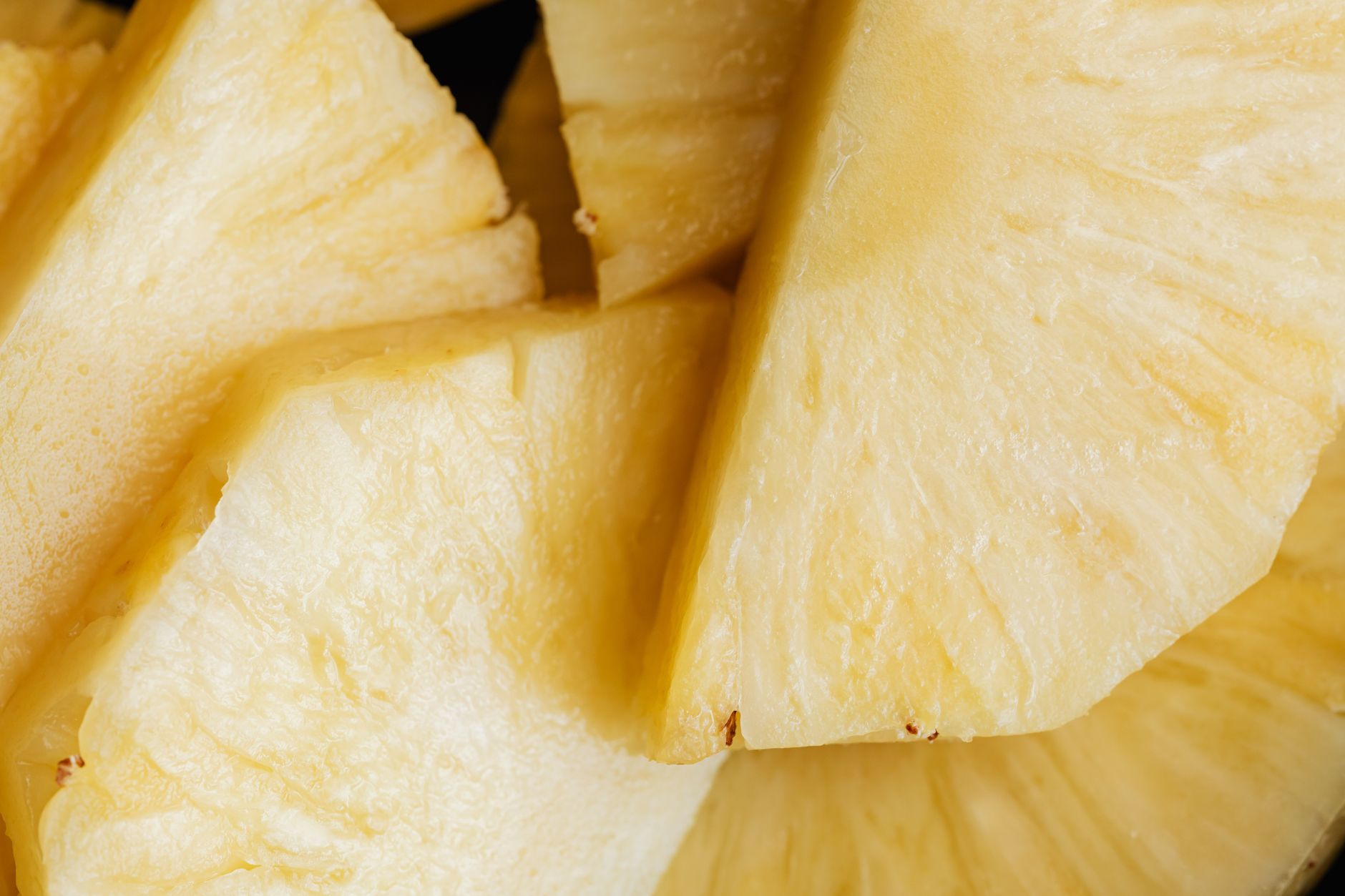
Pineapple is a tropical fruit that offers a burst of sweetness and an abundance of nutritional benefits. With its vibrant flavor and juicy texture, it’s often considered a delightful addition to both sweet and savory dishes. Many people wonder if incorporating pineapple into their diet can aid in weight loss. This article delves into the relationship between pineapple consumption and weight loss, examining the fruit’s nutritional profile, purported benefits, and practical ways to include it in your meals.
Understanding whether pineapple helps with weight loss involves looking at various factors, including calorie content, enzymes, and overall dietary patterns. We’ll also explore how to incorporate pineapple into your meals effectively, ensuring you can enjoy its deliciousness while still pursuing your health goals.
Does Eating Pineapple Help You Lose Weight?
Eating pineapple can contribute to weight loss efforts, but it is important to note that it is not a miracle food on its own. Pineapple is relatively low in calories and high in essential nutrients, making it a healthy option when maintaining a balanced diet. Its inclusion in overall calorie moderation, combined with healthy eating practices, may support weight loss.
Understanding Pineapple’s Nutritional Profile
Before exploring its potential benefits for weight loss, it’s essential to understand what makes pineapple a nutritious choice.
- Low in Calories: One cup of fresh pineapple contains about 82 calories, making it a low-calorie snack option.
- Rich in Vitamins: Pineapple is an excellent source of vitamin C, which supports immune function and skin health.
- Manganese Content: A cup of pineapple provides over 75% of the recommended daily intake of manganese, which plays a role in metabolism.
- Dietary Fiber: Pineapple contains dietary fiber, which aids digestion and promotes a feeling of fullness, potentially helping to control calorie intake.
The Role of Bromelain in Pineapple
Pineapple contains bromelain, an enzyme with anti-inflammatory and digestive properties. Some studies suggest that bromelain may contribute to weight management by aiding digestion and reducing inflammation in the body. Although research is still ongoing, these effects could support a healthier metabolism and overall wellness.
Pineapple and Caloric Deficit
Weight loss generally occurs when you consume fewer calories than your body burns. Pineapple can be a helpful part of a weight loss strategy due to its low caloric density. By incorporating low-calorie foods like pineapple into your meals, you can fill up on nutritious options that keep you satisfied without exceeding your daily caloric goals.
Examples of Meal Ideas Incorporating Pineapple for Weight Loss
Here are some practical ways to incorporate pineapple into your meals, combining flavor with nutritional benefits for weight loss:
Breakfast Options
- Pineapple Smoothie: Blend pineapple with yogurt, spinach, and a banana for a refreshing, nutrient-dense breakfast.
- Pineapple Oatmeal: Add fresh pineapple chunks to your morning oats for a sweet twist and added fiber.
Lunch Ideas
- Pineapple Chicken Salad: Combine grilled chicken, mixed greens, pineapple chunks, and a light vinaigrette dressing for a protein-rich meal.
- Pineapple Wrap: Use whole grain tortillas to wrap grilled vegetables, chicken, and slices of pineapple for a filling lunch.
Dinner Suggestions
- Pineapple Stir-Fry: Sauté pineapple with vegetables, lean proteins like shrimp or chicken, and a splash of soy sauce for a flavorful dish.
- Pineapple Salsa: Mix fresh pineapple, tomatoes, red onion, and cilantro for a bright salsa to top grilled fish or chicken.
Snacks and Desserts
- Pineapple Yogurt Parfait: Layer nonfat yogurt with pineapple and a sprinkle of granola for a satisfying snack.
- Pineapple Fruit Cups: Keep diced pineapple on hand for a quick snack option that’s both refreshing and nutritious.
Potential Pitfalls: Sugar Content and Portion Control
While pineapple is nutritious, it is essential to consume it in moderation. Its natural sugars can contribute to overall calorie intake, so watching portion sizes is crucial. It’s wise to balance pineapple with a variety of other fruits and vegetables to ensure a well-rounded diet.
Common Misconceptions About Pineapple and Weight Loss
There are a few myths surrounding pineapple and weight loss worth addressing:
- Pineapple Burns Fat: While pineapple is a healthy food, no single food can “burn fat.” Weight loss requires a comprehensive approach, including a balanced diet and regular exercise.
- Pineapple is Low-Carb: Pineapple contains carbohydrates, primarily in the form of sugars. While lower in calories, it should be considered within your total carbohydrate intake for the day.
Incorporating Pineapple into a Balanced Diet
When aiming for weight loss, integrating pineapple into a balanced diet can provide flavor and nutrients. Consider these tips for a successful approach:
- Use as a Natural Sweetener: Substitute pineapple for added sugars in recipes for desserts and smoothies.
- Pair with Protein: Combining pineapple with lean protein helps create a balanced meal and enhances satiety.
- Use in Moderation: Stick to recommended serving sizes, such as one cup, to keep your sugar and calorie intake in check.
Meal Prep Ideas with Pineapple
Meal prepping can make it easier to incorporate pineapple into your diet while supporting weight loss goals. Consider these ideas:
- Prepare Pineapple Chicken Bowls: Grill chicken with a marinade that includes pineapple juice, prepare rice or quinoa, and pack in individual containers for the week.
- Make Pineapple Smoothie Packs: Portion out pineapple, spinach, and other smoothie ingredients into freezer bags for quick morning smoothies.
- Pineapple Fruit Salad: Combine pineapple with other fruits, like berries and mango, for a refreshing snack that’s easy to grab and go.
Storage and Freshness Tips for Pineapple
To maximize freshness and flavor, here are some storage tips:
- Uncut Pineapple: Store at room temperature for a few days or up to a week in the refrigerator.
- Cut Pineapple: Keep in an airtight container in the refrigerator; it is best consumed within three to five days for optimal freshness.
- Freezing Pineapple: Pineapple can be frozen for later use. Cut it into chunks, spread them on a baking sheet to freeze individually, and then transfer to a freezer bag.
Conclusion
Eating pineapple can be part of a balanced approach to weight loss, providing essential nutrients in a low-calorie package. While pineapple on its own won’t lead to weight loss, its inclusion in a diverse diet, combined with healthy lifestyle habits, can promote a feeling of fullness and satisfaction. Incorporate pineapple creatively into your meals and snacks, and enjoy its bright flavors while supporting your weight management goals.
For delicious ways to enjoy pineapple, check out our pineapple smoothie recipe or explore our pineapple stuffing recipe for even more culinary inspiration!