
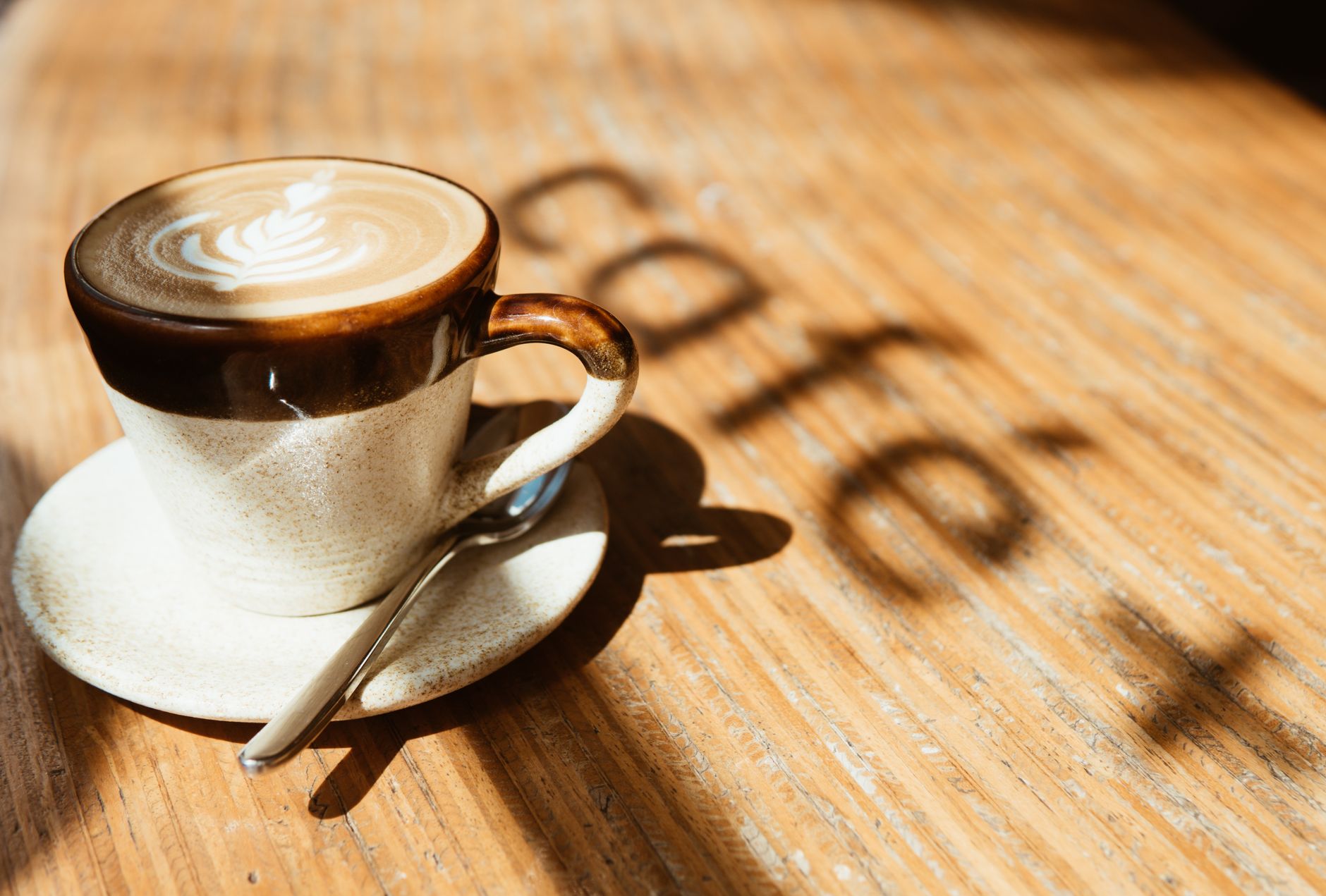
Coffee is a beloved beverage around the world, often consumed for its rich flavor and energizing properties. However, many people wonder about decaffeinated coffee and its effects on their alertness. Specifically, does decaf coffee keep you awake or help you drift into slumber? In this article, we will explore the caffeine content of decaf coffee, how it affects energy levels, and what factors may contribute to your alertness when drinking it.
While it may seem straightforward, the relationship between decaf coffee and wakefulness can be somewhat nuanced. Understanding the science behind caffeine, serving sizes, and personal tolerance levels can help determine whether decaf coffee is a suitable option for your evening routine or if it may still disrupt your sleep.
Does Decaf Coffee Keep You Awake?
Decaf coffee typically contains only a small amount of caffeine, generally around 2-5 milligrams per 8-ounce cup, compared to regular coffee, which averages about 95 milligrams per 8-ounce serving. For most people, this low caffeine content is unlikely to have a significant stimulating effect. However, individual responses can vary, and some may still experience a slight increase in alertness.
The Science Behind Caffeine
Caffeine is a natural stimulant that primarily affects the central nervous system. It works by blocking adenosine, a neurotransmitter that promotes sleepiness, resulting in increased alertness and wakefulness. Regular caffeine consumers may build a tolerance over time, requiring higher doses to achieve the same alertness.
Additionally, factors such as genetics, age, and individual metabolism can influence how caffeine affects a person. Some people may feel energized even from a small amount, while others may not notice its effects at all.
Caffeine Content in Decaf Coffee
- A standard cup of decaf coffee (8 ounces) contains approximately 2-5 milligrams of caffeine.
- This is significantly lower than regular brewed coffee, which contains about 95 milligrams.
- Other beverages, such as tea and soft drinks, also have varying caffeine levels that can impact alertness.
Factors Influencing Caffeine Content
Not all decaf coffees are created equal, and several factors can affect their caffeine content:
- Decaffeination method: The decaffeination process can leave different amounts of caffeine in the beans, depending on the method used.
- Bean type: Different coffee beans naturally contain varying levels of caffeine, which can affect the final product.
- Brewing time: Longer brewing times may extract slightly more caffeine, even from decaf beans.
How Decaf Coffee Affects Alertness
Given its low caffeine content, decaf coffee is less likely to keep most people awake when consumed in moderation. Here are some additional factors to consider regarding its impact on alertness:
Psychological Effects
For many, the ritual of drinking coffee, whether regular or decaf, can stimulate the brain. The smell and warmth of the beverage may psychologically signal the body to feel more alert, even if the caffeine is minimal.
Accompaniments and Rituals
How decaf coffee is consumed can also play a role. Pairing it with a snack, engaging in conversation, or savoring the experience can enhance feelings of alertness, despite the low caffeine content.
Individual Differences
Some individuals may be more sensitive to caffeine, meaning that even the small amount in decaf could potentially keep them awake. Understanding your body’s reaction is key to determining whether decaf coffee is suitable for you, especially in the evening.
When to Enjoy Decaf Coffee
Decaf coffee can be enjoyed at various times throughout the day without significantly disrupting sleep for most people. Here are some great occasions to consider having decaf:
- Evening enjoyment: If you crave the taste of coffee after dinner, decaf offers a satisfying option without the caffeine load.
- Social settings: Drinking decaf can allow you to enjoy the social aspect of coffee drinking without affecting sleep duration.
- Guilt-free indulgence: Indulging in a rich flavored decaf coffee can feel luxurious without the jitters.
Tips for Choosing Decaf Coffee
When selecting decaf coffee, consider the following tips to ensure you enjoy a flavorful cup:
Look for Quality
Just because coffee is decaffeinated does not mean it should lack in quality. Look for brands known for sourcing high-quality beans and using effective decaffeination methods that preserve flavor.
Decaffeination Methods
Be aware of the decaffeination process used. Some common methods include:
- Swiss Water Process: A chemical-free method using water to extract caffeine while retaining flavor compounds.
- Carbon Dioxide Method: This utilizes carbon dioxide in its supercritical state to remove caffeine without compromising taste.
- Solvent-Based Method: This method uses chemical solvents to extract caffeine but may leave residual flavors.
Explore Blends and Flavors
Decaf coffee can be enjoyed in many forms, including flavored options and blends with various profiles. Experimenting with different varieties can uncover unique flavors and aromas.
Common Misconceptions About Decaf Coffee
Several myths surround decaf coffee that may contribute to misunderstandings about its impact on alertness and health. Here are a few to clarify:
Myth 1: Decaf Coffee Contains No Caffeine
While decaf coffee has significantly less caffeine than regular coffee, it does contain some. Most decaf will have around 2-5 milligrams per cup, so it is not entirely caffeine-free.
Myth 2: Decaf Coffee is Healthier
Health benefits can vary based on individual preferences and dietary needs. While decaf coffee may be suitable for those sensitive to caffeine, it doesn’t automatically make it a “healthier” choice for everyone.
Myth 3: Decaf Coffee Disrupts Sleep
For most people, the low caffeine content in decaf coffee does not disrupt sleep; however, individual sensitivities should always be considered.
Preparing Decaf Coffee
Making the perfect cup of decaf coffee involves similar techniques as regular coffee, with a few considerations to enhance flavor:
Brewing Methods
- Drip Method: A popular choice, ensure the water temperature is around 200°F for optimal extraction.
- French Press: Use coarsely ground decaf coffee for a fuller-bodied experience. Steep for about four minutes before pressing.
- Pour Over: This method allows for control over brewing time and water saturation; ideal for bringing out the flavor notes.
Serving Size Considerations
For a rich flavor, use a recommended coffee-to-water ratio of 1-2 tablespoons of coffee grounds per 6 ounces of water. Adjust according to taste preferences for a bolder or lighter cup.
Enjoying Decaf Coffee
Consider several ways to serve decaf coffee to enhance your experience:
Add Flavor
Enhance decaf coffee by adding a splash of flavor, such as:
- Milk or Cream: Adds texture and creaminess to the coffee.
- Syrups: Flavor syrups like vanilla, caramel, or hazelnut can introduce exciting new flavors.
- Spices: A sprinkle of cinnamon or nutmeg can elevate the overall taste.
Pairing with Food
Decaf coffee pairs well with a variety of foods. Consider enjoying it with:
- Chocolate desserts: The rich flavors complement each other.
- Danish pastries: Sweet pastries enhance the coffee’s flavor.
- Light snacks: Perfect for afternoon tea or social gatherings.
Conclusion
In summary, decaf coffee typically contains a small amount of caffeine that is unlikely to interfere with sleep for most individuals. While it may provide a mild increase in alertness for some, many can enjoy decaf coffee leisurely in the evening without concern. Explore different decaf varieties, brewing techniques, and flavor pairings to enjoy this soothing beverage.
To further enhance your coffee experience, consider exploring our recipes for protein coffee and caramel ribbon crunch frappuccino. Both drinks offer unique takes on beloved flavors while accommodating different preferences.