
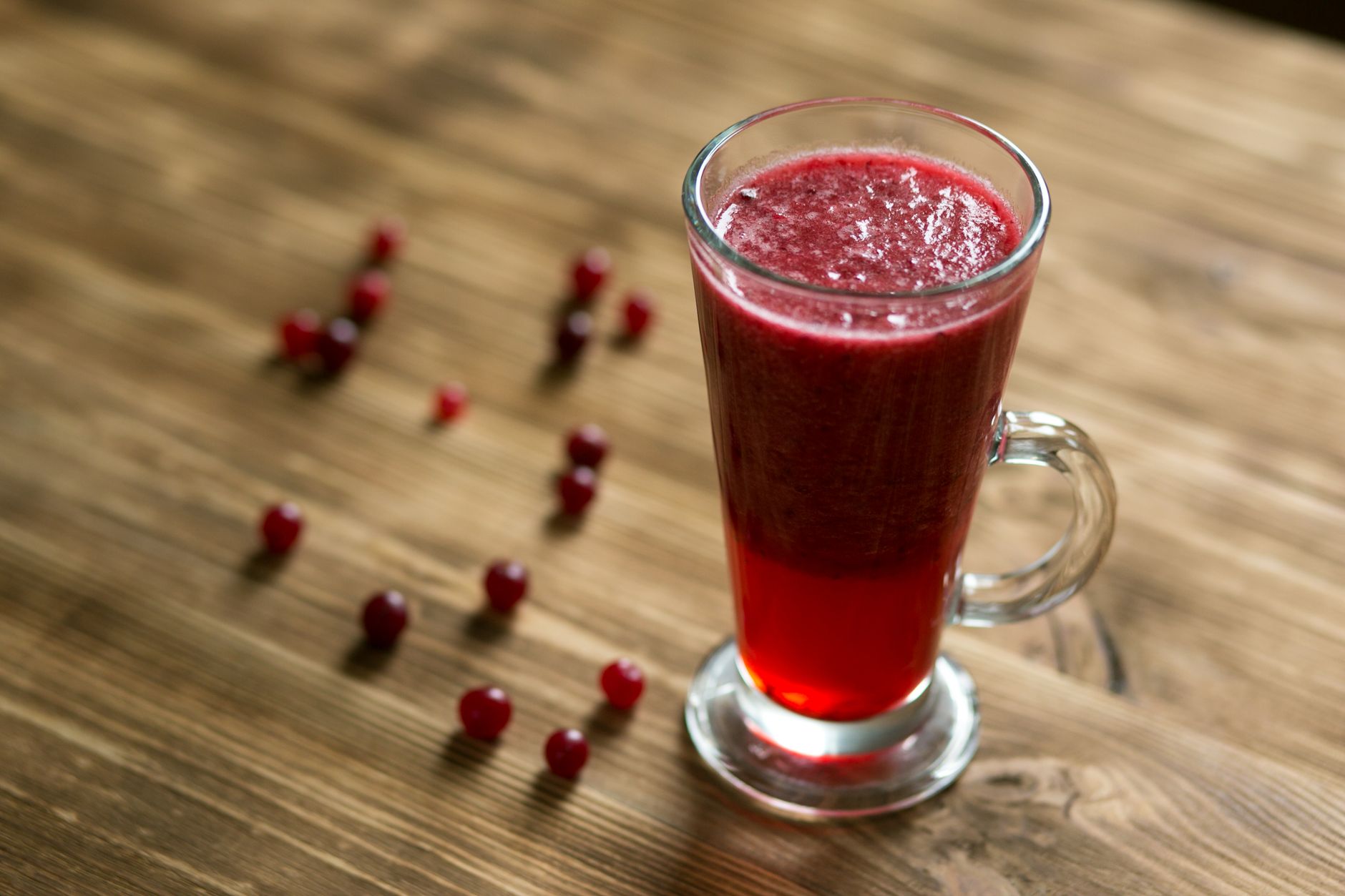
Cranberry juice has long been celebrated for its numerous health benefits, particularly in relation to urinary tract health. However, many people wonder whether this tangy beverage can also help alleviate cramps, especially menstrual cramps or discomfort from digestive issues. This article delves into the potential benefits of cranberry juice for cramps and offers practical considerations regarding its consumption.
By the end, you will have a comprehensive understanding of cranberry juice’s effects on cramps, appropriate portions, and practical ways to incorporate it into your diet.
Does Cranberry Juice Help with Cramps?
Cranberry juice may offer some benefits for alleviating cramps, primarily due to its anti-inflammatory properties. These properties might help reduce muscle contractions associated with cramps. However, it is essential to recognize that the effects can vary between individuals, and while cranberry juice can be a helpful addition, it should not be seen as a cure-all.
Understanding Cramps: Types and Causes
Cramps can be categorized into different types, each with various causes. Here’s a brief overview:
- Menstrual Cramps: Common in individuals with uteruses, these cramps result from the uterus contracting to shed its lining.
- Digestive Cramps: Often associated with gastrointestinal issues, such as irritable bowel syndrome (IBS) or indigestion, causing abdominal discomfort.
- Muscle Cramps: Involves sudden, involuntary contractions in muscles, which can be caused by dehydration, lack of potassium, or prolonged exercise.
Nutrition Profile of Cranberry Juice
Cranberry juice is renowned for its rich vitamin C and antioxidant content. This unique blend of nutrients contributes to its potential health benefits, which may include:
- Vitamin C: A powerful antioxidant that supports immune function and may help reduce inflammation.
- Antioxidants: Compounds that protect cells from damage, potentially reducing the severity of inflammation related to cramps.
- Fiber: While cranberry juice contains less fiber than whole cranberries, some varieties are enriched, supporting digestive health.
The Mechanism Behind Cranberry Juice and Cramps
Cranberry juice’s potential benefits for cramps stem from its anti-inflammatory properties. Inflammation is a common factor in various types of cramps, and by reducing inflammation, cranberry juice may help alleviate some discomfort. Additionally, staying well-hydrated with cranberry juice may support muscle function and reduce the likelihood of cramps, particularly muscle cramps.
How to Incorporate Cranberry Juice into Your Diet
When considering cranberry juice for cramps, it’s essential to focus on how to incorporate it into your daily routine effectively. Here are some practical tips:
1. Choosing the Right Juice
When shopping for cranberry juice, opt for 100% pure cranberry juice without added sugars or artificial ingredients. Many products available in grocery stores are cocktail blends that contain added sugars and lower concentrations of cranberry.
2. Suggested Portion Sizes
A typical serving size of cranberry juice is about 8 ounces (240 mL). This amount can provide a good balance of nutrients without overconsuming sugar. For specific health benefits, consider drinking this portion once or twice a day, but always listen to your body’s response.
3. Alternative Uses
Cranberry juice can be incorporated into meals and snacks in various ways:
- Smoothies: Blend cranberry juice with yogurt, spinach, and banana for a nutritious boost.
- Salad Dressings: Use cranberry juice as a base for vinaigrettes, combining it with olive oil and vinegar for a tangy flavor.
- Marinades: Create a sweet and tart marinade for meats by mixing cranberry juice with herbs, garlic, and spices.
Complementary Foods to Pair with Cranberry Juice
Combining cranberry juice with other foods can enhance its benefits for cramps. Consider these complementary foods:
- Ginger: Known for its anti-inflammatory properties, ginger can help further soothe cramps. Add fresh ginger to tea with cranberry juice for a soothing drink.
- Bananas: Rich in potassium, bananas can help reduce muscle cramps. Enjoy a banana along with your cranberry juice.
- Dark Leafy Greens: Vegetables like spinach and kale have anti-inflammatory properties and are high in vitamins. Incorporate them into salads or smoothies with cranberry juice.
Potential Side Effects of Cranberry Juice
While cranberry juice can be beneficial for many, some individuals may experience side effects:
- Sugar Content: Even 100% cranberry juice can be high in natural sugars, which may not be suitable for those monitoring their sugar intake.
- Digestive Issues: Some people may experience gastrointestinal discomfort, such as bloating or diarrhea, when consuming cranberry juice in large quantities.
- Drug Interactions: Cranberry juice can interact with certain medications, particularly blood thinners. Consult a healthcare provider if you’re on such medications.
Recipes Featuring Cranberry Juice
To further explore the benefits of cranberry juice, try incorporating it into these easy recipes:
Cranberry Ginger Tea
This warm beverage combines the anti-inflammatory benefits of ginger with the refreshing taste of cranberry juice.
- Ingredients:
- 1 cup water
- 1 tablespoon fresh ginger, grated
- 1/4 cup cranberry juice
- Honey to taste (optional)
- Instructions:
- Boil the water with the grated ginger for about 10 minutes.
- Strain the ginger from the water.
- Add the cranberry juice and honey if desired.
- Serve warm and enjoy!
- Ingredients:
- 1 cup cooked quinoa
- 1/2 cup diced cucumber
- 1/2 cup cherry tomatoes, halved
- 1/4 cup red onion, finely chopped
- 1/4 cup dried cranberries
- 1/4 cup cranberry juice
- 2 tablespoons olive oil
- Salt and pepper to taste
- Instructions:
- In a mixing bowl, combine the cooked quinoa, cucumber, tomatoes, red onion, and dried cranberries.
- In a small bowl, whisk together the cranberry juice, olive oil, salt, and pepper.
- Pour the dressing over the salad and toss to combine.
- Serve chilled or at room temperature.
Cranberry Quinoa Salad
This nourishing salad is a great way to incorporate fiber and antioxidants into your diet.
Conclusion
Cranberry juice may provide some relief from cramps due to its anti-inflammatory effects and high antioxidant content. However, individual results may vary, and it is best to consider it as part of a broader dietary strategy. When incorporating cranberry juice, choose varieties without added sugars, and pay attention to portion sizes to maximize its benefits. Pair it with other anti-inflammatory foods for a nutritious approach to alleviating cramps.
For further inspiration in utilizing various ingredients, check out our guide on what molasses is made from and learn about the benefits of pomegranate juice.