
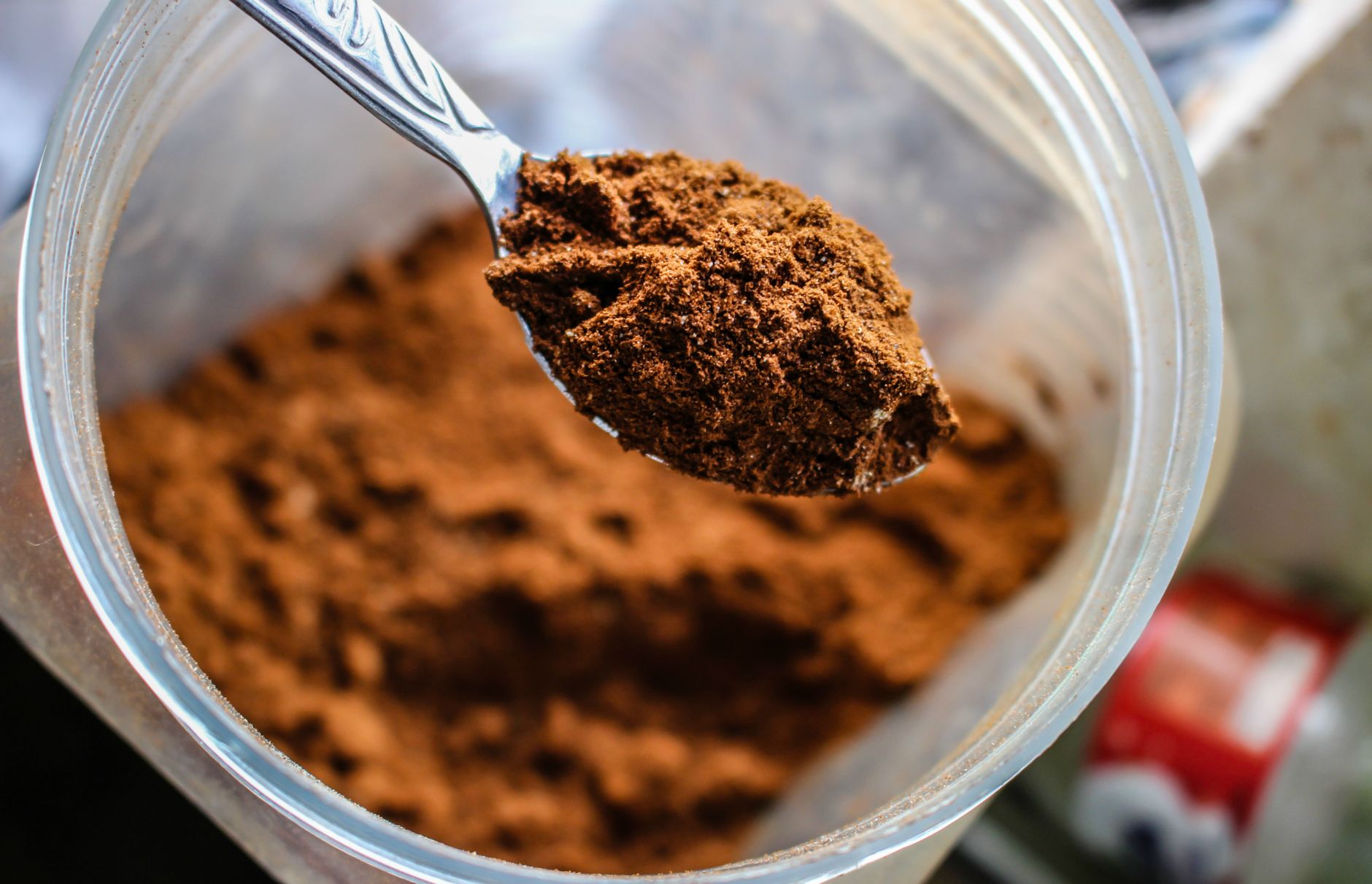
Cocoa powder is a staple in many kitchens, cherished for its rich flavor and versatility across various recipes, including desserts, beverages, and even savory dishes. But for those wondering about its caffeine content, there’s some interesting information to consider.
In this article, we explore whether cocoa powder contains caffeine, how it compares to other sources of caffeine, and what that means for your cooking and baking needs.
Does Cocoa Powder Have Caffeine?
Yes, cocoa powder does contain caffeine, though in amounts significantly lower than coffee or tea. An average serving of cocoa powder (about one tablespoon) has around 12 milligrams of caffeine, making it a mild stimulant compared to other caffeinated beverages.
Caffeine Content in Cocoa Powder
The caffeine content in cocoa powder can vary depending on the brand and processing method used. On average:
- 1 tablespoon (5 grams) of unsweetened cocoa powder: approximately 12 milligrams of caffeine.
- 1 ounce (28 grams) of unsweetened cocoa powder: around 70 milligrams of caffeine.
- 1 cup of hot cocoa made with 2 tablespoons of cocoa powder: approximately 24 milligrams of caffeine.
For comparison, a typical 8-ounce cup of brewed coffee contains about 95 milligrams of caffeine, while an 8-ounce cup of black tea has around 40-70 milligrams. Thus, cocoa powder offers a subtle caffeine boost without the higher impact of coffee or tea.
Understanding Cocoa Powder
Cocoa powder is produced by grinding cacao beans, which is a process that separates the fat (cocoa butter) from the solids. This process not only results in the chocolate flavor we love but also preserves some of the natural stimulants found in cacao, including caffeine and theobromine.
Theobromine: A Gentle Stimulant
Alongside caffeine, cocoa powder contains another compound known as theobromine. While theobromine is a stimulant, it is much milder than caffeine. It can provide a subtle lifting effect and mood enhancement without the jitteriness that often accompanies caffeine consumption. Theobromine is responsible for chocolate’s reputation as a “feel-good” food.
Choosing the Right Cocoa Powder
Cocoa powders come in two primary varieties: natural cocoa powder and Dutch-processed cocoa powder. Understanding these differences can help guide your choice based on the intended use in your cooking or baking.
Natural Cocoa Powder
This variety is lighter in color and has a more potent chocolate flavor. Natural cocoa powder is slightly acidic and often results in a more intense cocoa taste in baked goods. It is made from raw cacao beans, which are roasted and then ground into a powder.
Dutch-Processed Cocoa Powder
Dutch-processed cocoa powder has been treated with an alkalizing agent to neutralize acidity. This process gives it a darker color and a smoother flavor, but it may also reduce the overall caffeine content slightly. It is best used in recipes that call for baking soda, as the lack of acidity can affect the leavening process.
How Much Cocoa Powder is Typically Used?
When it comes to using cocoa powder in recipes, the amount typically varies based on what you’re preparing. Here are some common applications:
Baking
In recipes such as brownies or chocolate cakes, you may find anywhere from 1/4 cup to 3/4 cup of cocoa powder used, which would yield anywhere from 30 to 100 milligrams of caffeine in the entire batch, depending on the quantity.
Hot Chocolate
For homemade hot chocolate, a standard preparation with two tablespoons of cocoa powder in an 8-ounce drink contains approximately 24 milligrams of caffeine, making it a cozy, chocolatey choice that won’t keep you up all night.
Smoothies and Desserts
Cocoa powder is also a fantastic addition to smoothies and no-bake desserts, typically requiring 1 to 2 tablespoons per serving, thus offering low-level caffeine effects while enhancing flavor.
Practical Substitutions for Cocoa Powder
Not everyone may want to consume caffeine, and some may be looking for alternatives to cocoa powder in their recipes. Here are a few practical substitutions:
- Carob Powder: A popular caffeine-free alternative, carob powder has a naturally sweet flavor and can replace cocoa powder in nearly all recipes at a 1:1 ratio.
- Chocolate Syrup: If you’re looking for a convenient option, you can use chocolate syrup in recipes that call for cocoa powder, but be sure to adjust the sugar content in your recipe, as chocolate syrup is sweetened.
- Dark Chocolate: For recipes requiring melted cocoa powder, dark chocolate can be melted and used instead. Use about three times the amount of dark chocolate compared to cocoa powder.
Common Cooking and Baking Mistakes with Cocoa Powder
When working with cocoa powder, certain mistakes can lead to unsatisfactory results. Here are the most common pitfalls:
- Not Sifting Cocoa Powder: Cocoa powder can clump together. Sifting it before measuring ensures an even distribution of cocoa and prevents lumps in your final product.
- Assuming All Cocoa Powder is Equal: Using Dutch-processed cocoa when a recipe calls for natural cocoa can affect the leavening and acidity balance in baked goods. Make sure to check the recipe requirements first.
- Skipping Tempering: When making hot chocolate from cocoa powder, combining the cocoa with a small amount of warm milk or sugar before mixing it into the larger liquid can help prevent lumps.
Storing Cocoa Powder Properly
To maintain the best flavor and quality of cocoa powder, proper storage is essential:
- Keep cocoa powder in an airtight container in a cool, dry, and dark place.
- Store the container away from heat sources like the stove or oven.
- Unopened cocoa powder can last up to two years, while opened powder is best used within a year for optimal freshness.
Health Implications of Caffeine in Cocoa Powder
The level of caffeine present in cocoa powder is relatively low compared to other common sources, making it a suitable option for many individuals. However, it’s important to monitor intake:
- Those sensitive to caffeine may still feel its effects even in small amounts and should consider limiting portions.
- Individuals with certain medical conditions or those who are pregnant should consult a healthcare professional regarding caffeine consumption.
Experimenting with Cocoa Powder in Recipes
Cocoa powder is versatile and can add depth to many culinary creations. Here are some recipe ideas and tips for incorporating cocoa powder:
Mug Cake
For a quick dessert, try making a chocolate mug cake. Combine flour, sugar, cocoa powder, baking powder, and a pinch of salt in a mug. Add milk and vegetable oil, and microwave for about one minute. This simple dessert is delicious and can be a fun treat any day of the week.
Chocolate Smoothies
Add a tablespoon of cocoa powder to your morning smoothie for an energy boost. Combine it with banana, spinach, yogurt, and almond milk for a nutritious breakfast that provides a subtle caffeine lift without overwhelming flavor.
Baking Mixes
Craft homemade baking mixes to save time: mix flour, sugar, cocoa powder, and baking powder together and store in a jar. When you’re ready to bake, simply add eggs, oil, and water. This way, you can have brownies ready in no time.
Serving Suggestions
To enhance the experience of using cocoa powder, consider these serving ideas:
- Serve hot cocoa with whipped cream or marshmallows for a classic treat.
- Dust cocoa powder over desserts like tiramisu or puddings for an elegant presentation.
- Use cocoa powder in a spice rub for meats, adding depth and complexity to savory dishes.
Final Thoughts
Cocoa powder is an ingredient that not only enhances flavor but also adds a pleasurable boost of caffeine. Whether you’re baking delicious treats or blending them into smoothies, understanding its caffeine content and applications will help you incorporate it successfully. Always consider your individual caffeine tolerance and enjoy the variety of delightful recipes you can create using cocoa powder.
Explore related recipes and useful cooking tips on our blog, like how much caffeine is in Diet Dr Pepper or check our guide on chai tea caffeine levels to enrich your culinary journey.