
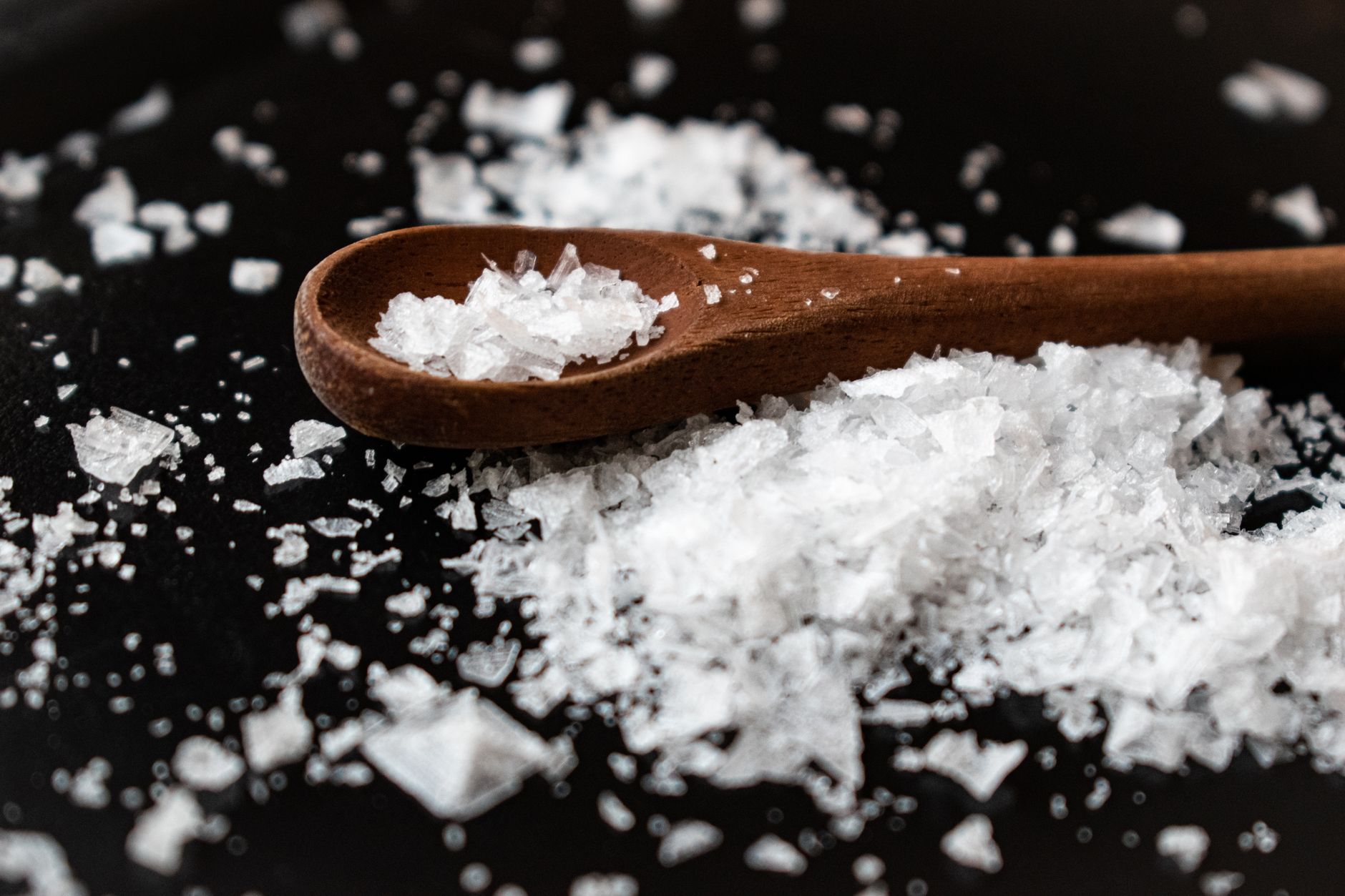
Celtic salt, a natural sea salt harvested from coastal regions, is often celebrated for its distinctive flavor and nutrient properties. A common question that arises among health-conscious eaters and culinary enthusiasts alike is whether Celtic salt contains iodine, an essential nutrient for thyroid health.
This article will provide an in-depth look at Celtic salt, its iodine content, health implications, culinary uses, and practical tips for incorporating it into your diet.
Does Celtic Salt Have Iodine?
Celtic salt generally does not contain iodine unless it has been intentionally added. This salt is harvested from tidal pools in France and is known for its grayish color and moist texture due to the minerals it retains. While it contains trace minerals, iodine is often not one of them. It is crucial to monitor iodine intake from other dietary sources if Celtic salt is your primary salt choice.
What is Celtic Salt?
Celtic salt, also known as “fleur de sel” or “sel gris,” is a type of sea salt harvested from the coastal regions of France, primarily Brittany. It is produced through traditional methods involving evaporation of seawater, resulting in a flaky, moist salt. Unlike table salt, which undergoes heavy processing and often contains additives, Celtic salt retains a wide array of minerals, giving it a distinctive taste.
Flavor and Texture
The flavor profile of Celtic salt is briny and complex, with a hint of sweetness due to the minerals it contains. Its coarse grains add a delightful crunch to dishes, making it an excellent finishing salt. Its moisture-rich texture means it can clump together, but it enhances the flavor of various foods more effectively than refined salts.
Iodine: An Essential Nutrient
Iodine is a trace element crucial for maintaining healthy thyroid function, which regulates metabolism, growth, and development. Insufficient iodine intake can lead to thyroid disorders, such as goiter and hypothyroidism. It is vital to be aware of your iodine sources, particularly if you opt for uniodized salts like Celtic salt.
Sources of Iodine
Various foods provide iodine, and it’s essential to include them in your diet if you are reducing or eliminating iodized salt, which is a significant source of iodine for many. Here are some common dietary sources:
- Seafood (especially fish and shellfish)
- Dairy products (milk, yogurt, cheese)
- Eggs
- Seaweed (kelp, nori, dulse)
- Iodized salt (table salt with added iodine)
How to Incorporate Celtic Salt into Your Diet
While Celtic salt may lack iodine, it can still enhance flavors in your cooking. Here are some practical tips for using it effectively:
Cooking with Celtic Salt
When using Celtic salt in cooking, consider the following:
- Season Gradually: Due to its complex flavor, start with a small amount and increase to taste.
- Use as a Finishing Salt: Sprinkle it over dishes just before serving to enhance flavors and add crunch.
- Combine with Other Seasonings: Use it alongside herbs and spices to create balanced flavors.
Storage Tips
To keep your Celtic salt fresh and maintain its moisture, store it in an airtight container in a cool, dry place. Avoid exposure to light and humidity, which can cause clumping. Using a salt cellar is ideal for easy access and attractively displaying your salt on the counter.
Flavor Pairings
Celtic salt works well with various ingredients. Here are a few best pairing suggestions:
- Vegetables: Enhances the natural sweetness of roasted or grilled vegetables.
- Meats: Ideal for seasoning meats before grilling, roasting, or slow cooking.
- Fruits: Elevates the flavor of fresh fruits like watermelon or strawberries.
- Baked Goods: Can be used in breads or pastries for a flavor boost.
Common Mistakes When Using Celtic Salt
As with any cooking ingredient, there are common pitfalls to avoid:
- Over-Salting: Because Celtic salt has a unique flavor, it’s easy to over-salt a dish if not used judiciously. Always taste before adding more.
- Inconsistent Use: Using different salts in the same dish can lead to flavor disparities. Stick to one type of salt for consistency.
- Ignoring Other Iodine Sources: If you rely on Celtic salt, be mindful to include iodine-rich foods in your diet.
Health Considerations
While Celtic salt offers a distinctive flavor and retains more minerals than table salt, it’s essential to be mindful of its iodine content or lack thereof. If you choose to use Celtic salt, consider the following health implications:
Thyroid Health
Given the vital role of iodine in thyroid health, it’s crucial to ensure you’re obtaining sufficient iodine through other food sources. Those on restricted diets should consult with a healthcare provider if unsure about their iodine levels.
Mineral Content
Celtic salt contains trace minerals like magnesium, potassium, and calcium. While these minerals contribute to flavor, overall health benefits from consuming trace minerals should be balanced with sufficient iodine intake.
Practical Substitutions and Alternatives
If you’re looking for alternatives to Celtic salt while still maintaining iodine levels, consider these options:
- Iodized Table Salt: Provides the same salty flavor and includes added iodine, making it an easy substitute.
- Sea Salt with Iodine: Similar in use to Celtic salt but with the added benefit of iodine.
- Low-Sodium Salt Blends: If managing sodium intake is a concern, consider these blends, but check for iodine content.
Celtic Salt vs. Other Salts
To gain a clearer picture of how Celtic salt stands in comparison to other salts, consider these differences:
Table Salt
Table salt undergoes extensive processing, resulting in a finer texture and often contains additives. It is typically iodized.
Himalayan Pink Salt
This salt is prized for its mineral content and contains natural iodine, making it another flavorful alternative.
Finishing Salts
Other finishing salts, such as fleur de sel or Maldon salt, provide a crunchy texture similar to Celtic salt but may vary in mineral content and flavor.
Conclusion
Celtic salt is a flavorsome and mineral-rich alternative to table salt, but it typically does not contain iodine. If you choose to use Celtic salt exclusively, make sure to incorporate other iodine sources into your diet to maintain optimal thyroid health. Enjoy the unique texture and flavor it offers while being mindful of your overall nutritional balance.
For more culinary inspiration, feel free to explore these delicious recipes and tips: Chia Pudding Recipe with Coconut Milk and Do Chia Seeds Go Bad?.