
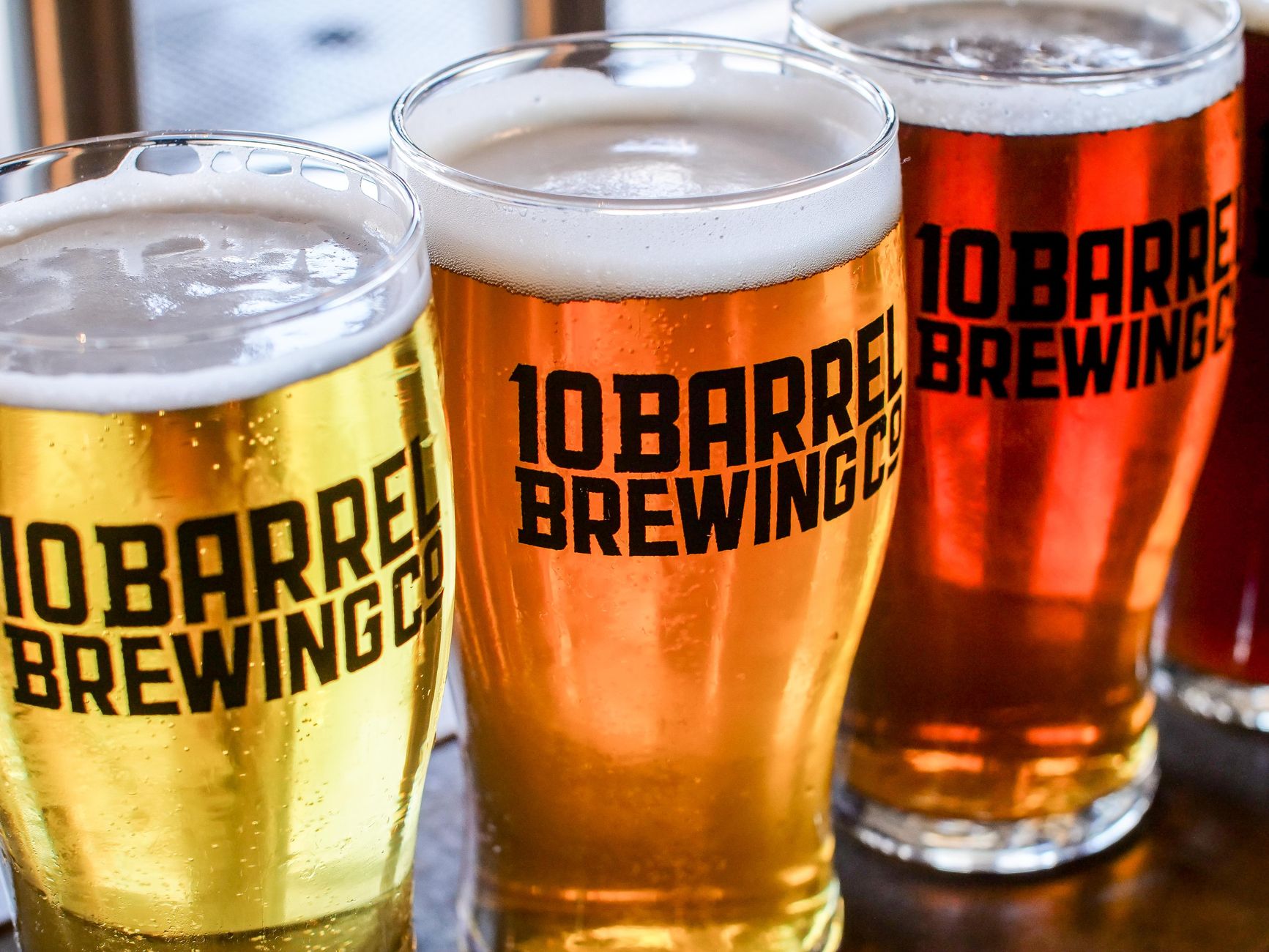
Beer has been a popular beverage for centuries, and recent discussions have emerged regarding its potential health benefits. Many enthusiasts question whether beer can be a healthy addition to their diets or if its consumption should be limited. Understanding the various components of beer and their effects can help clarify this topic.
This article will explore the potential health benefits of beer, the ingredients that contribute to its properties, and the considerations regarding moderate consumption. By gaining insight into this beloved beverage, you can make an informed choice about incorporating it into your lifestyle.
Does Beer Have Any Health Benefits?
Yes, beer can have certain health benefits when consumed in moderation. Studies suggest that beer contains vitamins, minerals, and antioxidants that may be beneficial for heart health, bone density, and even the risk of certain diseases. However, it’s important to consider the potential downsides and be aware of safe consumption levels.
Understanding Beer Ingredients
The health benefits attributed to beer largely come from its ingredients. Let’s break down the core components of beer and their potential effects on health.
Malt
Malt is a key ingredient in beer, resulting from soaked grains that have been germinated and dried. It provides the sugars necessary for fermentation and contributes to the flavor and color of the beer. Malted barley also offers several health benefits:
- Rich in Nutrients: Malt contains B vitamins such as B6, B12, niacin, riboflavin, and folate. These vitamins assist with metabolism and energy production.
- Antioxidant Properties: Malt is rich in polyphenols, a type of antioxidant that can help reduce inflammation and combat oxidative stress.
Hops
Hops are the flowers of the hop plant, added to beer primarily for their flavor and aroma. They also serve important health-related purposes:
- Anti-Inflammatory Effects: Hops contain compounds such as xanthohumol, which may have anti-inflammatory effects and could reduce the risk of chronic diseases.
- Digestive Benefits: Hops may stimulate digestive enzymes, which can aid in digestion and improve overall gut health.
Water
Water is the primary ingredient in beer, and its quality can significantly affect the final product. While water itself has limited health benefits, staying hydrated is crucial:
- Hydration: Beer can contribute to hydration, but it’s essential to remember that excessive consumption can lead to dehydration.
Yeast
Yeast is responsible for fermenting the sugars from malt into alcohol and carbon dioxide. It also adds nutritional benefits:
- Probiotics: Some yeast strains used in brewing can have probiotic benefits for gut health, potentially improving digestion and immune function.
- Vitamin Content: Yeast is a source of B vitamins and selenium, both of which are important for metabolic processes and overall health.
Alcohol
Alcohol itself, particularly in moderate amounts, can offer some health benefits:
- Heart Health: Moderate alcohol consumption is associated with a lower risk of heart disease and stroke due to increased levels of high-density lipoprotein (HDL) cholesterol.
- Blood Sugar Control: Some studies suggest that moderate alcohol consumption may help improve insulin sensitivity.
The Balance: Moderation is Key
While beer does have potential health benefits, moderation is essential. Excessive alcohol consumption can lead to various health issues, including liver disease, addiction, and an increased risk of certain cancers. The definition of moderate drinking varies but generally refers to:
- Men: Up to two drinks per day.
- Women: Up to one drink per day.
Keeping within these guidelines can help you enjoy the benefits of beer without the accompanying risks. It is also recommended that individuals with specific health conditions, such as liver diseases or those with a family history of alcohol addiction, consult a healthcare provider before consuming beer or any alcoholic beverage.
Potential Health Risks of Beer Consumption
Understanding the potential health risks related to beer consumption is vital. While moderate drinking may have some benefits, it can also come with drawbacks:
- Weight Gain: Beer is high in calories. Excess consumption can contribute to weight gain, particularly in the abdominal area.
- Alcohol Dependency: Regular consumption can lead to dependency or addiction, affecting mental and physical health.
- High Blood Pressure: Excessive drinking can raise blood pressure, which may lead to cardiovascular problems.
- Impaired Judgment: Alcohol can impair cognitive functions and increase the likelihood of poor decision-making.
Recipes That Use Beer
For those looking to enjoy the flavors and potential benefits of beer without overindulging, consider incorporating it into recipes. Cooking with beer can enhance flavors and provide a unique twist to various dishes. Here are a few recipes that incorporate beer:
Beer Can Chicken
This recipe adds flavor and moisture to chicken while utilizing the properties of beer for a crispy exterior.
- Ingredients:
- 1 whole chicken (about 4-5 pounds)
- 1 can of beer (your choice of lager or ale)
- 2 tablespoons olive oil
- 1 tablespoon garlic powder
- 1 tablespoon onion powder
- 1 tablespoon paprika
- Salt and pepper to taste
Instructions:
- Preheat your grill to medium-high heat.
- Pat the chicken dry and rub it with olive oil, followed by the garlic powder, onion powder, paprika, salt, and pepper.
- Open the beer can and place it upright on the grill. Carefully lower the chicken onto the beer can, ensuring the can fits into the cavity.
- Grill the chicken for 1 to 1.5 hours, or until the internal temperature reaches 165°F in the thickest part of the thigh.
- Remove the chicken from the grill and let it rest for 10 minutes before carefully removing the beer can. Carve and serve.
Bourbon Slush
This refreshing drink brings a bit of beer into a fun, slushy format perfect for gatherings.
- Ingredients:
- 1 cup brewed beer
- 1 cup bourbon
- 1 cup lemonade
- 1/2 cup iced tea
- Ice cubes
Instructions:
- In a blender, combine the beer, bourbon, lemonade, and iced tea.
- Add ice cubes to fill the blender halfway and blend until smooth.
- Pour into glasses and serve immediately.
Making Informed Choices
Incorporating beer into your lifestyle may come with certain health benefits. However, it’s crucial to strike a balance between enjoying its flavors and being mindful of its effects. Moderation is key, and being aware of both the advantages and risks can enhance your approach to beer.
If you’re exploring ways to include beer in your diet, consider pairing it with food or using it in dishes that complement its flavor profile. Remember to check with your healthcare provider if you have any dietary restrictions or health concerns regarding alcohol.
As with any food or beverage, the focus should be on moderation, balance, and informed decisions. For those interested in exploring recipes beyond using beer, consider trying different cooking methods, regional cuisines, or new ingredients that excite your palate.
For further culinary inspiration, explore delicious recipes such as Beer Can Chicken or Bourbon Slush. Happy cooking and enjoy your culinary adventures!