
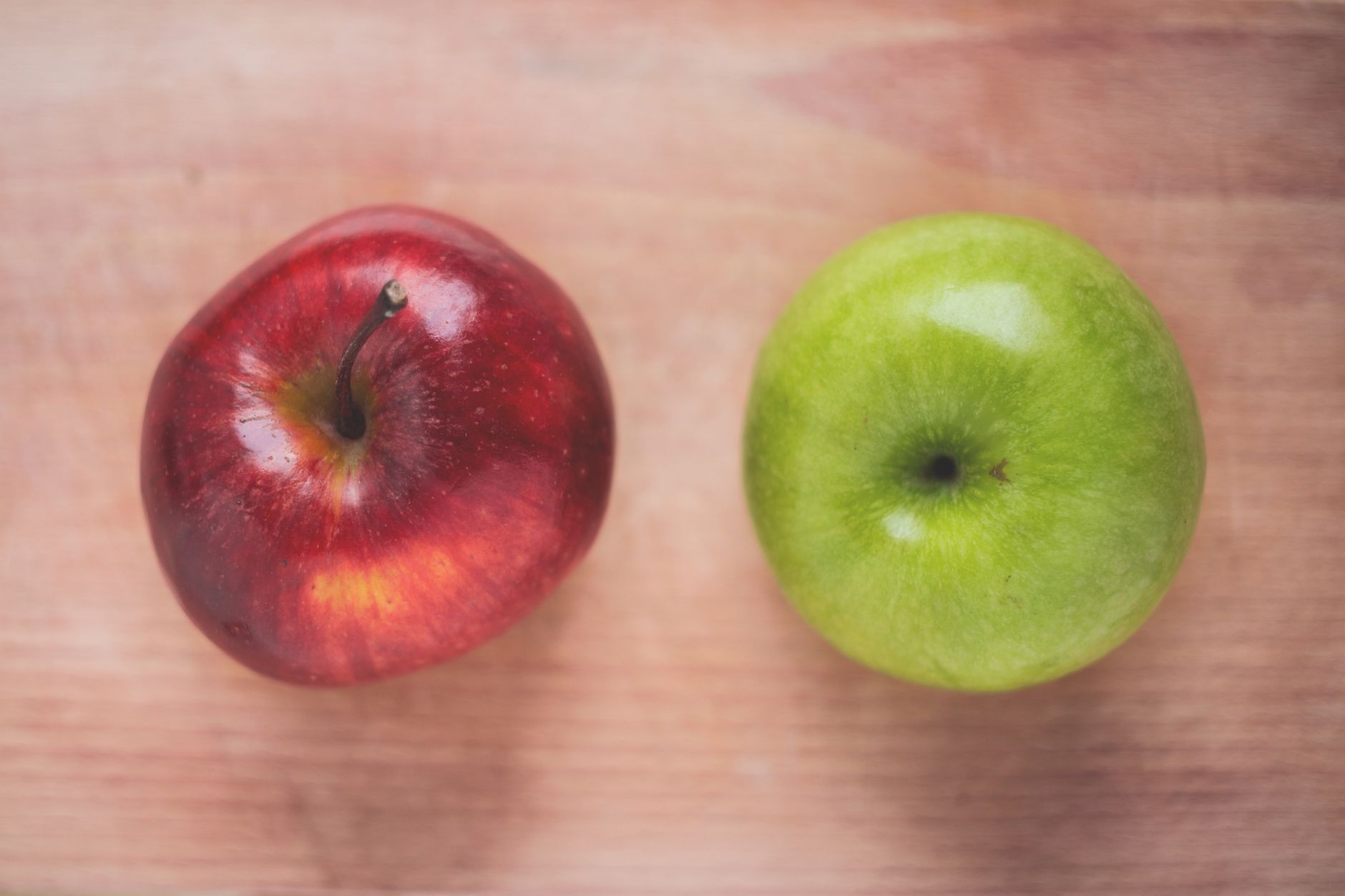
When considering a healthy diet, fiber plays a crucial role. Many people wonder if apples, one of the most popular fruits, are a good source of fiber. This article explores whether apples have fiber, the types of fiber they contain, their nutritional benefits, and how you can incorporate them into your meals.
Throughout this guide, you’ll find details on serving sizes, fiber content in different apple varieties, and delicious ways to include apples in your diet. Understanding this information can help you make informed choices about your fruit consumption.
Does Apple Have Fiber?
Yes, apples contain dietary fiber. A medium-sized apple (about 182 grams) typically has around 4 grams of fiber, making them a good choice for those looking to increase their fiber intake.
The Importance of Fiber
Fiber is essential for maintaining a healthy digestive system. It helps regulate bowel movements, lowers cholesterol levels, and can aid in weight management by promoting a feeling of fullness. Additionally, fiber-rich foods can contribute to heart health and lower the risk of developing certain chronic diseases.
Types of Fiber in Apples
Apples primarily contain two types of dietary fiber: soluble and insoluble.
Soluble Fiber
Soluble fiber dissolves in water and forms a gel-like substance in the digestive system. It can help lower cholesterol levels and stabilize blood sugar levels. The soluble fiber in apples, particularly in the pulp, is known as pectin. Pectin also serves as a natural thickening agent, making it useful in cooking and baking.
Insoluble Fiber
Insoluble fiber does not dissolve in water and helps add bulk to the stool, promoting regular bowel movements. The skin of the apple is particularly rich in insoluble fiber, so eating the apple with the skin on maximizes fiber intake.
Nutritional Facts of Apples
To further understand the benefits of incorporating apples into your diet, here are the nutritional facts for a medium-sized apple (182 grams) without the skin:
| Nutrient | Amount |
|---|---|
| Calories | 95 |
| Total Fat | 0.3g |
| Sodium | 2mg |
| Total Carbohydrates | 25g |
| Dietary Fiber | 4g |
| Sugars | 19g |
| Protein | 0.5g |
Serving Sizes and Recommendations
Generally, it is recommended to consume about 25 to 30 grams of fiber each day for adults, depending on individual dietary needs. Including apples in your diet can help you reach these fiber goals. Eating one medium apple makes for a convenient snack and contributes to your daily intake.
Varieties of Apples and Their Fiber Content
The fiber content in apples can vary slightly depending on the variety. Below is a list of common apple varieties and their approximate fiber content per medium-sized apple:
- Granny Smith: 4.0 grams
- Fuji: 4.7 grams
- Gala: 4.0 grams
- Honeycrisp: 4.0 grams
- Red Delicious: 3.9 grams
While the differences are not drastic, choosing apples based on personal preference and taste may help you include them more often in your meals.
How to Incorporate Apples into Your Diet
There are countless ways to enjoy apples. Below are some practical suggestions to increase your apple consumption.
Raw Snacking
Apples are perfect for on-the-go snacking. Wash them thoroughly, and enjoy them whole or sliced. Pair with nut butter for added protein or cheese for a satisfying snack.
Salads
Add sliced or diced apples to salads for a sweet and crunchy addition. They pair well with greens, nuts, and vinaigrettes. A classic combination is spinach, apple slices, walnuts, and feta cheese drizzled with a balsamic vinaigrette.
Baking and Cooking
Apples can be used in both sweet and savory dishes. They are great in desserts like apple pie or baked apples with cinnamon. Additionally, diced apples can be included in savory recipes such as roasted pork loin or stuffed bell peppers.
Apple Compote
Making apple compote is an excellent way to enjoy the fruit’s natural sweetness while retaining its fiber content. Cook chopped apples with a bit of water, sugar, and spices until soft. This can be used as a topping for yogurt, pancakes, or oatmeal.
Apple Smoothies
Add apples to smoothies for added fiber and flavor. Mix them with spinach, bananas, yogurt, and a splash of almond milk for a refreshing drink that provides a nutrient boost.
Common Mistakes When Eating Apples
To maximize the benefits of apples, be aware of these common mistakes:
- Peeling the Skin: Removing the skin eliminates much of the insoluble fiber. It’s best to eat apples with the skin to benefit fully from their fiber content.
- Choosing Processed Products: Opt for fresh apples instead of processed apple products (like juices or sauces), which often lack fiber.
- Eating Too Much Too Quickly: While apples are healthy, consuming them in excess can lead to digestive discomfort due to their fiber content. Moderation is key.
Storage Tips for Apples
Apples can be stored in several ways to maintain their freshness. Follow these tips to ensure long-lasting apples:
- Room Temperature: If you plan to eat them within a week, storing apples at room temperature is adequate.
- Refrigerator: For extended freshness, store apples in the refrigerator’s crisper drawer. They can last up to 4-6 weeks this way.
- Avoid Ethylene Gas: Keep apples away from other fruits that emit ethylene gas (like bananas) to prevent premature ripening.
Make-Ahead Strategies
If you’re busy during the week, consider these make-ahead strategies to enjoy apples conveniently:
- Pre-slice for Snacking: Slice apples ahead of time and store them in an airtight container with a little lemon juice to prevent browning.
- Prepare Salads: Chop apple pieces and toss them in salads right before serving to ensure freshness.
- Batch-Cook Apple Compote: Make apple compote in large quantities and store it in the fridge for easy use throughout the week.
Conclusion
Apples are a fiber-rich fruit that could play a beneficial role in your diet. With about 4 grams of fiber per medium apple, they contribute to your daily fiber intake in various enjoyable ways. Whether you choose to eat them raw, incorporate them into savory or sweet dishes, or prepare them ahead of time, apples can enhance both your meals and your health.
For creative ideas on how to use apples, try visiting these related recipes: make a delicious apple compote or try our apple pie filling recipe for a classic dessert. Explore new ways to incorporate this nutritious fruit into your daily meals!