
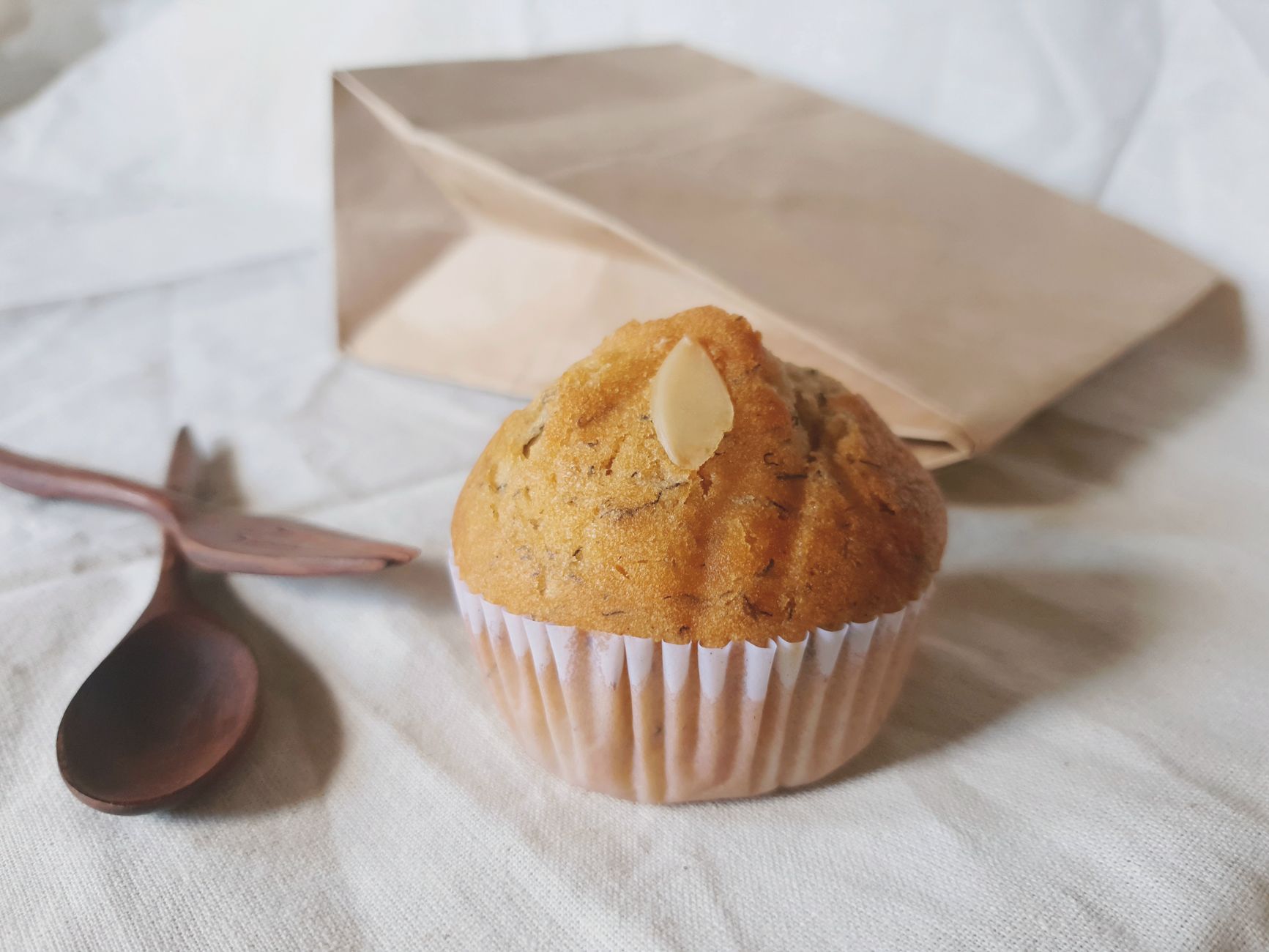
Almond flour has gained popularity as a gluten-free alternative to traditional wheat flour in baking and cooking. As a result, many people wonder if almond flour tastes like almonds and how it might impact the flavor of their dishes. This article delves into the taste and texture of almond flour, discussing its culinary applications, how it compares to regular flour, and tips for using it effectively in the kitchen.
Understanding the taste and behavior of almond flour is essential for anyone looking to experiment with gluten-free baking, meal prepping, or cooking. Not only will we explore the flavor profile of almond flour, but we will also address its uses, potential substitutions, and best practices in incorporation into your favorite recipes.
Does Almond Flour Taste Like Almonds?
Yes, almond flour does have a subtle flavor that is reminiscent of almonds. However, the intensity can vary based on the type of almond flour, whether it is made from blanched or unblanched almonds. The taste is typically mild, allowing it to blend well with various ingredients in sweet and savory dishes.
Almond flour stands out for its nutty flavor, which can enhance the overall taste of baked goods and dishes. The texture is usually finer than that of regular flour, contributing to a unique mouthfeel in recipes. Let’s dive deeper into the characteristics and uses of almond flour.
Understanding Almond Flour
Almond flour is made from ground almonds, and there are primarily two types you will encounter:
- Blanched Almond Flour: This is made from almonds with the skins removed. The blanching process results in a lighter color and a finer texture, making it ideal for delicate baked goods like pastries and macarons.
- Unblanched Almond Flour: This type retains the skins, giving it a coarser texture and darker color. It has a slightly stronger flavor due to the skin, making it suitable for hearty recipes like breads and muffins.
Flavor Profile of Almond Flour
The flavor profile of almond flour is marked by several characteristics:
- Nutty: As expected, almond flour imparts a nutty taste that can enhance both sweet and savory dishes.
- Mildly Sweet: Although not overtly sweet, almond flour has a slight sweetness that can complement many recipes.
- Subtle: The flavor is subtle enough that it usually doesn’t overpower other ingredients, making it versatile in various culinary applications.
Texture of Almond Flour
In terms of texture, almond flour tends to be finer than regular wheat flour. This fineness contributes to a lighter product when baked. Here are some of the textural attributes:
- Grainy: Depending on the type (blanched vs. unblanched), there may be a slight graininess, especially in unblanched almond flour.
- Moisture Retention: Almond flour has a higher fat content compared to regular flour, which can lead to moist, dense baked goods.
- Crumb Structure: Baked goods made with almond flour tend to have a different crumb structure, often less rigid than those made with wheat flour.
Best Uses for Almond Flour
Almond flour can be used in various recipes, particularly for those following gluten-free or low-carb diets. Here are some popular uses:
- Baking: Almond flour is commonly used in cookies, cakes, muffins, and pancakes. Its nutty flavor complements sweet recipes, and its moisture-retentive properties help keep baked goods tender.
- Coating: You can use almond flour as a gluten-free breading or coating for meats and vegetables, providing a crunchy texture.
- Thickening Agent: Almond flour can serve as a thickener in sauces, soups, and stews due to its ability to absorb moisture.
How to Incorporate Almond Flour into Your Recipes
When incorporating almond flour into your recipes, it’s essential to consider a few crucial tips to ensure success:
1. Measure Accurately
Almond flour can be denser than regular flour. Using a kitchen scale for accuracy can lead to better results. If using measuring cups, stir the almond flour before scooping to prevent it from being packed.
2. Adjust Liquid Ratios
Due to its higher fat content and moisture-absorbing nature, you may need to adjust the amount of liquid in your recipe. Start with a smaller amount and add as needed.
3. Combine with Other Flours
Often, almond flour works best when combined with other gluten-free flours (like coconut flour or rice flour) to achieve a better texture and structure in baked goods.
4. Use Baking Powder or Baking Soda
Adding baking powder or baking soda can help create a lighter texture when using almond flour, particularly in recipes where leavening is essential, such as cakes or pancakes.
Common Recipes Featuring Almond Flour
Almond flour can be the star ingredient in many delicious recipes. Here are a few examples:
Almond Flour Pancakes
Almond flour pancakes are a fantastic breakfast option that is gluten-free and offers a delightful nutty flavor. The pancakes are usually fluffy and moist.
Almond Flour Bread
This bread recipe typically uses almond flour as the primary ingredient, offering a great option for those avoiding gluten. The result is a hearty loaf perfect for sandwiches or toasting.
Almond Flour vs. Regular Flour
When comparing almond flour to regular flour, several differences emerge:
- Nutritional Value: Almond flour has more protein, healthy fats, and fiber than regular all-purpose flour, making it a more filling and nutritious option.
- Flavor: Almond flour contributes a distinct nutty flavor, while regular flour has a neutral taste.
- Gluten Content: Regular flour contains gluten, which provides elasticity and structure to baked items. Almond flour, being gluten-free, typically requires additional binding agents like eggs.
Practical Substitutions for Almond Flour
If you find yourself without almond flour, consider these alternatives, keeping in mind the potential impact on flavor and texture:
- Coconut Flour: A gluten-free option that absorbs more moisture. If substituting, use one-fourth the amount of almond flour and increase liquid ingredients.
- Oat Flour: Offers a similar texture but has a different flavor. You can use it in equal amounts, but the taste will be less nutty.
- Sunflower Seed Flour: A nut-free alternative that can mimic the flavor of almond flour. Use in equal quantities, but be aware that it may alter the color of baked goods.
Common Mistakes When Using Almond Flour
While almond flour is a versatile ingredient, there are common pitfalls to avoid:
- Substituting One-to-One for Wheat Flour: Almond flour needs adjustments in liquid and other ingredients due to its different properties. A one-to-one substitution may not yield the best results.
- Overmixing: Like any flour, overmixing can lead to dense results. Mix just enough to combine ingredients.
- Underbaking: Because almond flour retains moisture, baked goods can seem underdone. Use a toothpick to check for doneness, and bake a couple of minutes longer if necessary.
Storing Almond Flour
To maintain the freshness of almond flour, proper storage is key. Here are some storage tips:
- Keep it Cool: Store almond flour in the refrigerator or freezer to extend its shelf life due to its high fat content.
- Airtight Container: Use a sealed container to prevent moisture and odors from affecting its quality.
Final Thoughts on Almond Flour
Almond flour not only tastes like almonds but also adds a unique flavor and texture to a variety of culinary creations. Experimenting with almond flour can elevate your dishes while providing a gluten-free alternative without sacrificing deliciousness.
Consider incorporating almond flour into your next baking venture, trying out recipes like almond flour bread or pancakes. With a few adjustments and mindful practices, you’ll be on your way to creating delectable treats that showcase its nutty goodness.
For further exploration, check out our almond flour bread recipe for a delightful way to use this fantastic ingredient in your baking repertoire.