
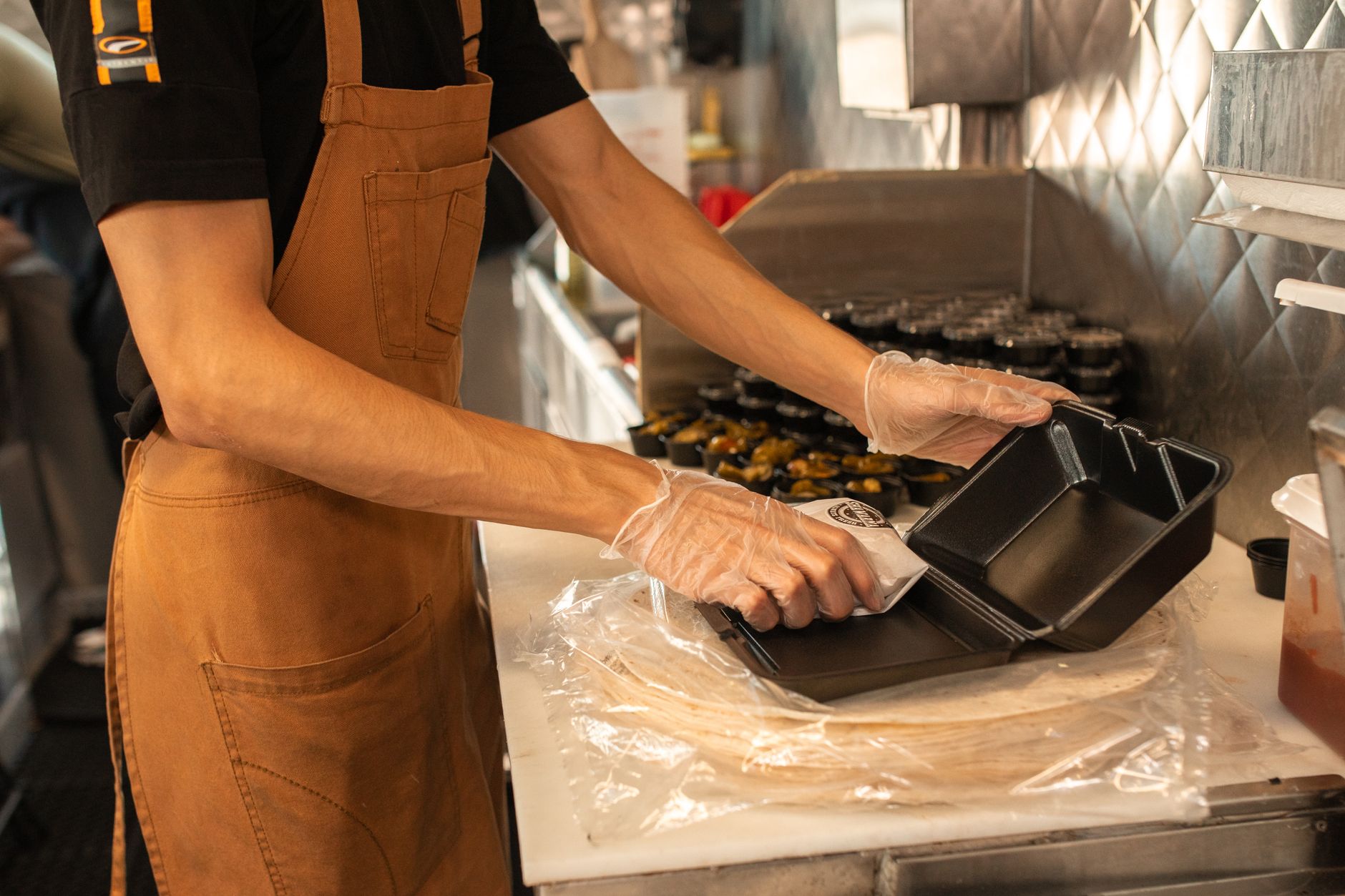
Tipping for takeout orders is a common etiquette question that often leaves customers unsure of what to do. As restaurants have adapted to changing dining trends, takeout or “to go” orders have surged in popularity. This shift has raised discussions about the appropriateness of tipping when one has not dined in.
Determining whether or how much to tip on to-go orders depends on various factors such as service quality, the complexity of the order, and personal preference. Understanding the nuances can help customers express appreciation for service, even when not dining in.
Do You Tip on To Go Orders?
Tipping on takeout orders is generally encouraged, with many people opting to tip between 10% to 20% of their order total. This gesture acknowledges the work that staff—such as the kitchen crew and cashiers—put into preparing and packaging the food. However, the exact amount varies based on the level of service received and the type of establishment.
When Should You Tip on Takeout Orders?
There are various scenarios where tipping on takeout can be considered appropriate. Here are some common situations:
- Full-service restaurants: If you order from a sit-down establishment that generally provides table service, a tip is usually warranted.
- Quality of service: If the staff offers assistance over the phone or in person and is friendly, consider tipping.
- Large or complicated orders: If your order involves a significant number of items or special requests that require more effort, leaning towards a higher tip is considerate.
- Catering orders: For larger orders intended for events, it is customary to tip even more generously, similar to a sit-down meal.
Factors Influencing Your Tip
When deciding on the amount to tip, consider the following factors:
- Order Value: Many tip between 10% to 20%, depending on the total price of the food ordered.
- Quality of Service: Promptness, friendliness, and accuracy all play a part in how much you might want to tip.
- Restaurant Type: Fine dining establishments often expect higher tips than fast-casual places.
- Takeout vs. Delivery: Different scenarios often involve different expectations, with delivery drivers typically expecting tips for their service.
What About Delivery Services?
For food delivery services, tipping is standard and typically ranges from 10% to 20% of the total bill. If the service involves long distances or poor weather conditions, consider tipping on the higher end.
Many delivery platforms allow you to pre-select a tip when placing your order, ensuring the driver receives appropriate compensation. If you feel the driver went above and beyond—for example, navigating difficult weather conditions to deliver your food—it might be worth increasing your tip.
Do You Always Have to Tip?
While tipping is appreciated in the restaurant industry, it is not mandatory. Individual circumstances can influence your decision. For example:
- If the service was particularly poor or there were significant issues with your order, it may be justified to tip less or not at all.
- During times of financial difficulty or when on a tight budget, the choice to tip can also depend on your current situation.
Common Misconceptions About Tipping on Takeout
Several misconceptions can cloud judgment about tipping on takeout orders. Here are common misunderstandings:
- “I didn’t sit down, so I don’t need to tip.” Many people feel that if they didn’t receive full service, they should skip tipping altogether. However, prep and packaging still require effort.
- “Waitstaff aren’t involved, so why tip?” Although waitstaff may not be directly involved in takeout, other restaurant staff work hard behind the scenes to prepare the food.
- “Tipping is just for delivery drivers.” Customers should recognize that many different employees contribute to the dining experience.
How to Calculate Your Tip on Takeout
Calculating a tip on your takeout order can be straightforward. Here are a few methods:
- Percentage Method: Most people follow the guideline of tipping 15%-20%. For example, for a $50 order, a 15% tip would be $7.50, and a 20% tip would be $10.
- Flat Rate Method: Consider tipping a flat rate, like $5 or $10, depending on the service. This method is often easier to calculate, especially for smaller orders.
- Pick a Rounded Number: If percentages seem complex, consider rounding to a whole number; for example, if your total is $28, you might choose to tip $5.
Practical Tips for Tipping on Takeout Orders
Here are some additional tips to keep in mind when deciding on your tip for takeout orders:
- Keep cash on hand: Many employees appreciate cash tips, so having small bills available is helpful.
- Check if tipping is allowed: Some restaurants have a no-tipping policy, particularly fast-food chains or establishments with service fees included.
- Consider your dining habits: Regular customers may wish to tip more to build rapport with staff and ensure good service in the future.
- Use your best judgment: In the end, tipping is about showing appreciation for effort, and your discretion should guide you.
What If You’re Unsure About Tipping?
If you’re uncertain about the tipping norm at a specific restaurant, don’t hesitate to ask staff! Many people are receptive and will be glad to clarify their practices. It’s better to inquire than to overlook the opportunity to recognize hard work.
The Etiquette of Tipping on To Go Orders
Understanding tipping etiquette in the restaurant industry enhances your dining experience. While tipping on takeout may feel less obligatory than traditional dining, it is still a vital part of restaurant culture. Here’s a version of the etiquette:
- Keep it reasonable: If it’s a simple order and you feel comfortable, tipping 10% is a good baseline.
- Consider the complexity: For more extensive or special requests, adjust your tip upward as a sign of appreciation.
- Teach by example: If dining with others, demonstrate tipping practices to promote positive habits.
Building Good Relationships with Restaurant Staff
Tipping is just one way to create goodwill with restaurant employees. Recognizing their efforts can lead to better service in the future. Here are a few strategies for building relationships:
- Regular visits can lead to familiarity, increasing the chances of better service.
- Consider offering compliments about the food or service—staff appreciate knowing they are doing a good job.
- Participate in loyalty programs, which often feature benefits for returning customers.
Special Occasions and Tipping
For events such as birthdays, holidays, or significant gatherings, consider tipping more generously. These special occasions often involve extra effort from restaurant staff, so recognizing their work makes sense. Higher tips honor the quality of service provided during busier times.
The Psychological Aspect of Tipping
Interestingly, the act of tipping has psychological angles. When tips are given, servers often feel more valued and motivated. Happy staff can lead to a better dining experience for all patrons. The total experience benefits from favorable tipping dynamics, meaning everyone wins.
International Tipping Variations
While tipping norms vary across cultures, it is essential to understand practices in different countries. For instance:
- In Japan, tipping can be considered rude as excellent service is considered standard.
- In Europe, many establishments include service charges, so tipping might be optional or minimal.
- In other regions, tipping is customary, and the percentage often aligns with that of the United States.
The Future of Tipping
The practice of tipping in the restaurant industry is evolving. Some restaurants are exploring alternatives, such as service charges or higher base pay for staff, lessening the reliance on customer tips for income. However, regular patrons will likely continue tipping, emphasizing appreciation for hard work.
Conclusion and Practical Next Steps
Understanding the etiquette of tipping on takeout orders helps foster a positive dining experience. Whether it’s a small pizza or a lavish catered event, showing appreciation through tipping acknowledges employees’ efforts. Consider your personal preferences and the dining context when deciding how much to tip.
For further cooking tips or guides, explore our meal planning resources or check out our budget cooking ideas. Every little bit can help make your dining experiences more enjoyable and rewarding.