
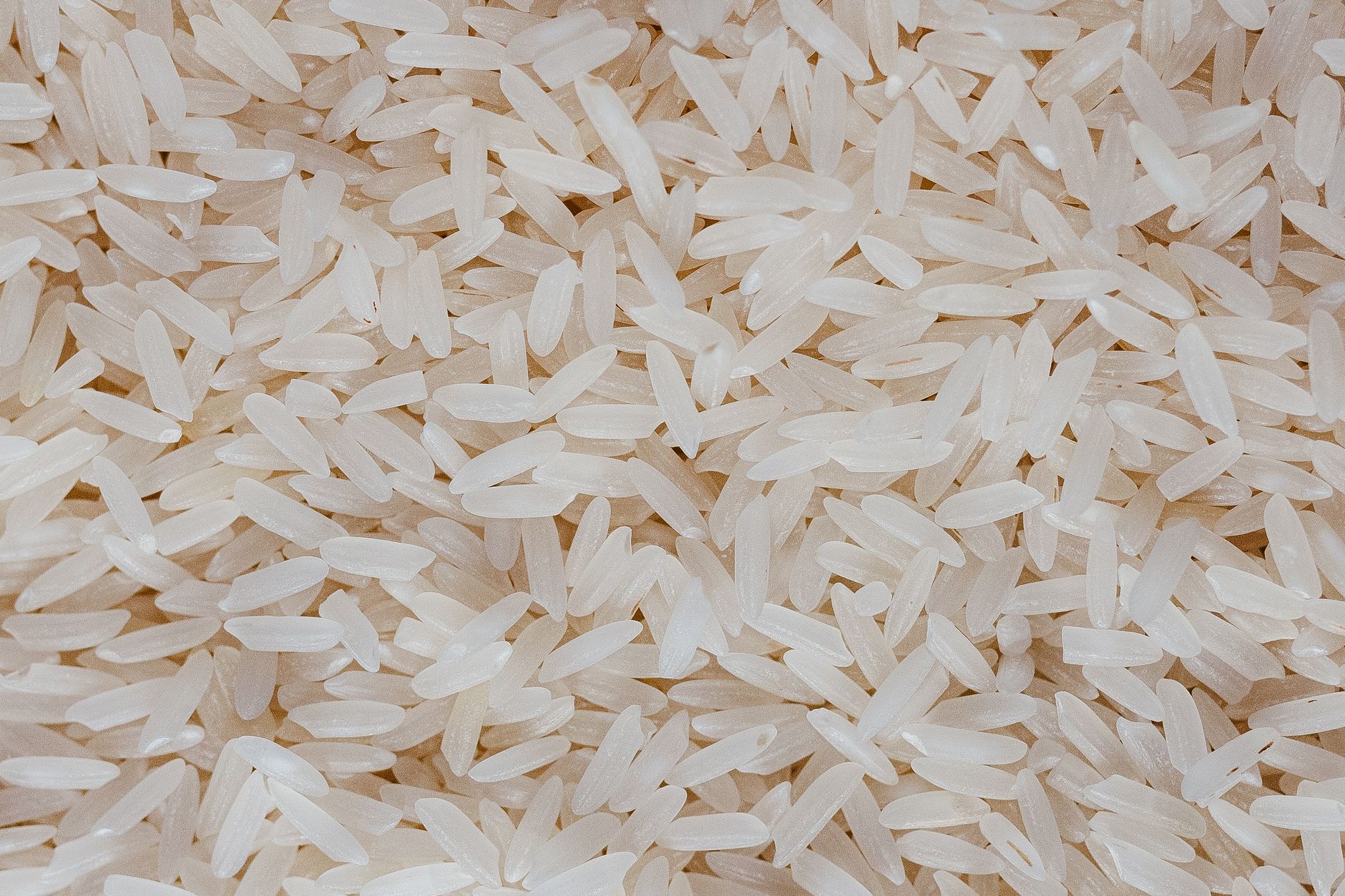
Rice is a staple food enjoyed in many cultures around the world. It often serves as a base for countless dishes, from stir-fries to curries. However, a common question among home cooks is whether they should wash rice before cooking it. This article explores the reasons for washing rice, the variations in practices across different cuisines, and offers practical advice on how to properly wash rice for cooking.
Understanding the importance of washing rice can significantly impact the texture, flavor, and overall quality of your dish. This guide will help clarify the benefits of this practice, the methods of washing rice, and when you might choose to skip this step altogether.
Do You Need to Wash Rice Before Cooking?
Yes, washing rice before cooking is generally recommended. It helps remove excess starch, dust, and impurities, leading to a cleaner flavor and more desirable texture. However, the necessity of washing rice can vary depending on the type of rice and the dish you are preparing.
Benefits of Washing Rice
Washing rice serves several key purposes:
- Removes Excess Starch: The primary reason for washing rice is to remove excess surface starch. When rice is milled, some starch from the grains can be released. This excess starch can lead to clumping and a gummy texture in the final dish.
- Improves Flavor and Texture: Washing rice can help improve the texture of cooked grains by preventing them from sticking together. This results in a fluffier and more enjoyable dish.
- Eliminates Impurities: Washing rice helps remove any dirt, dust, or impurities that may be present from packaging and transport, ensuring that you cook with clean ingredients.
- Enhanced Digestibility: For some types of rice, particularly when consuming raw or less processed forms, washing can help remove substances that might cause digestive issues.
Types of Rice and Washing Practices
Not all rice types require washing, and practices differ depending on regional cuisine:
White Rice
For white rice varieties like basmati or jasmine, washing is typically recommended. Rinsing helps remove the excess starch that can lead to a sticky final product.
Brown Rice
Brown rice can also benefit from washing. While it has less surface starch than white rice, rinsing removes dirt and any residual bran that might not fully dissolve during cooking.
Sushi Rice
Sushi rice is highly starchy and should always be washed thoroughly until the water runs clear. This process is essential to achieve the desired sticky yet separate grain texture that is crucial for sushi.
Sticky or Glutinous Rice
Sticky rice is often soaked rather than washed. Soaking helps to hydrate the grains, allowing them to cook into a chewy, sticky texture perfect for dishes like mango sticky rice.
Parboiled or Converted Rice
Parboiled rice has undergone steaming and soaking processes while still in the husk, which reduces excess starch. Generally, it does not require washing, although a quick rinse can be performed if desired.
Methods for Washing Rice
Learning the right method for washing rice can make a significant difference in your cooking process. Here are detailed steps for effectively washing rice:
- Measure the Desired Amount: Start by measuring out the amount of rice you plan to cook.
- Rinse with Water: Place rice in a fine-mesh strainer or bowl and rinse it under cold running water. If using a bowl, add enough water to cover the rice.
- Swirl and Agitate: Use your hands to swirl and gently agitate the rice in the water. This action helps dislodge surface starch and impurities. If using a bowl, let the water settle; the milky water will float on top.
- Drain and Repeat: After a few moments, drain the water. If using a bowl, carefully pour off the cloudy water, taking care not to lose any rice. Repeat this rinsing process 2-3 times until the water runs clearer.
- Final Drain: Once rinsed, let the rice drain thoroughly in the strainer or bowl for a few minutes before cooking.
Washing Rice: Timing and When to Do It
The timing of washing rice can also play an important role in preparing your dish:
Before Cooking
Washing rice immediately before cooking is the most common practice. It ensures that you’re starting with clean, properly prepared grains.
Soaking Option
For certain dishes and rice varieties, soaking after washing can also be beneficial. Soaking rice for 30 minutes to a few hours can help reduce cooking time and improve the final texture.
Advance Preparation
If you want to prepare rice in advance, you can wash it beforehand and store it in a sealed container in the refrigerator for up to one day. This method keeps the rice clean and ready for cooking when needed.
Common Mistakes When Washing Rice
A few common mistakes can detract from your rice washing technique:
- Not Rinsing Thoroughly: Failing to rinse rice adequately can lead to overly sticky and gummy results. Make sure to wash until the water runs clear.
- Over-Agitating: Being too vigorous when washing can break the grains, especially newer or high-quality varieties. Be gentle with your rice.
- Assuming All Rice Needs Washing: While many types benefit from washing, some pre-prepared varieties may not need it. Always read package instructions for guidance.
- Forgetting to Drain: Leaving excess water in your rice before cooking can lead to a soggy or unevenly cooked dish. Always drain thoroughly after rinsing.
Storage and Reheating of Washed Rice
If you wash rice in advance or have leftovers, specific storage and reheating techniques will preserve the quality:
Storing Washed Rice
Washed rice should be stored in an airtight container in the refrigerator if not cooked immediately. Use within a day to ensure freshness.
Reheating Cooked Rice
When reheating cooked rice, make sure it reaches an internal temperature of 165°F (74°C) to ensure safety. You can reheat rice in the microwave or on the stove, adding a splash of water to prevent it from drying out.
Practical Substitutions for Rice-Based Dishes
If you find yourself without rice, there are several substitutes you can consider:
- Quinoa: A protein-rich alternative with a nutty flavor. Rinse before cooking to remove saponins, similar to rice washing.
- Cauliflower Rice: An excellent low-carb option made from finely grated cauliflower. It does not require washing, but rinsing before cooking can enhance flavor.
- Barley: For a chewier texture, barley can work in grain-based dishes but will require different cooking times and methods.
- Farro: Similar to barley with a nutty flavor and chewy texture, farro offers a hearty alternative but also has longer cooking times.
Conclusion
Washing rice before cooking is a simple yet effective step to enhance the quality and texture of your dishes. By removing excess starch and impurities, you can achieve fluffier rice that serves as the perfect base for various meals. Whether you’re preparing sushi, a savory stir-fry, or a comforting bowl of rice, understanding how and when to wash rice can significantly elevate your culinary experience.
Next time you approach your rice preparation, remember the benefits of washing and implement these techniques for optimal results. For more insights, check out how to determine water ratios with rice, or explore the delicious Benihana fried rice recipe.