
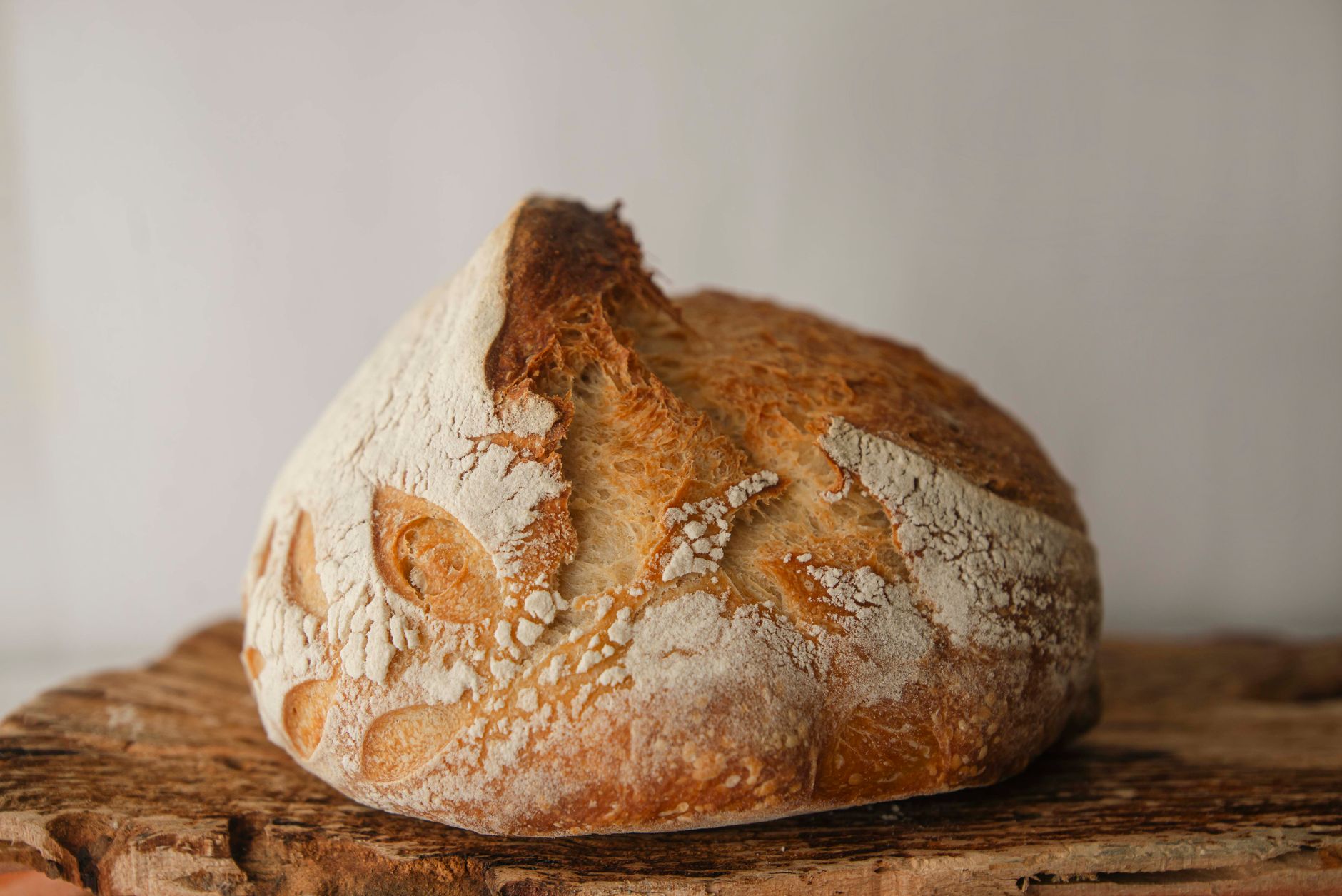
Sourdough starter is a fascinating and rewarding element of bread baking. Created through the natural fermentation of flour and water, this living culture requires specific care to thrive, including regular feeding. The crucial question for many bakers is: do you feed sourdough starter every day?
The short answer is: it depends on how often you use your starter and what kind of schedule you wish to maintain. Understanding how to feed your sourdough starter can influence the quality of your bread and its overall flavor. This article will explore the intricacies of feeding sourdough starter, including its lifecycle, feeding schedules, and practical tips for optimal care.
Do You Feed Sourdough Starter Every Day?
Feeding your sourdough starter every day ensures that it is healthy and active, ready for baking. However, if you store it in the refrigerator, you can feed it less frequently. The choice of feeding frequency depends on how often you plan to bake and how you store your starter.
Understanding Sourdough Starter
A sourdough starter is a mixture of flour and water that captures wild yeast and beneficial bacteria from the environment. This fermentation process creates the leavening agents needed for sourdough bread. A healthy starter is bubbly, has a pleasant aroma, and can double in size after feeding.
The Lifespan of Sourdough Starter
When actively maintained, sourdough starter can live indefinitely. The key is to create ideal living conditions for the yeast and bacteria. These organisms feed on the carbohydrates in the flour and produce carbon dioxide and organic acids, which give sourdough its characteristic flavor and texture.
Feeding Your Sourdough Starter
Feeding a sourdough starter involves adding flour and water at specific ratios. This process rejuvenates the starter, providing new nutrients and keeping the microorganisms active. Below is an overview of what feeding involves, including a simple feeding schedule.
Basic Feeding Ratio
A common feeding ratio for sourdough starter is 1:1:1, meaning one part starter, one part water, and one part flour by weight. For instance, if you start with 100 grams of starter, you would add 100 grams of water and 100 grams of flour. Here’s how to do it:
- Discard a portion of your starter, leaving about 100 grams.
- Add 100 grams of lukewarm water to the bowl.
- Add 100 grams of all-purpose or bread flour.
- Stir until well combined and cover loosely.
Different Feeding Schedules
- Daily Feedings: If you keep your starter at room temperature and bake frequently (at least once a week), you should feed it daily to maintain its strength.
- Weekly Feedings: For those who bake less often, storing the starter in the refrigerator is viable. In this case, you can feed it once a week. Before using, bring it back to room temperature and feed it 1-2 times to reactivate it.
- Long-Term Storage: If you need to pause your baking for an extended period, fully refrigerating your starter will slow its activity significantly. You may only need to feed it once every two to four weeks.
Signs Your Sourdough Starter Needs to Be Fed
An active sourdough starter should show specific signs that indicate it is healthy and ready for baking. These signs include:
- Bubbling Texture: A healthy starter should have bubbles on the surface and throughout. This indicates gas production from active fermentation.
- Doubling in Size: After feeding, your starter should ideally double in size within 4 to 6 hours at room temperature.
- Pleasant Aroma: A well-fed starter has a tangy but appealing smell, similar to yogurt or fresh bread.
- Liquid Layer (Hooche): If there is a liquid layer on top (often referred to as hooche), it indicates that the starter is hungry and needs to be fed.
Common Mistakes in Feeding Sourdough Starter
To ensure your sourdough starter remains healthy, it’s essential to avoid common pitfalls:
- Inconsistent Feeding: Neglecting to feed your starter regularly can lead to weak fermentation and unpleasant flavors.
- Using Cold Ingredients: Always use lukewarm water while feeding, as cold temperatures can inhibit yeast activity.
- Improper Ratios: Adhering to the 1:1:1 ratio will yield better results. Adjusting this can impact fermentation times and starter strength.
Maintaining a Healthy Sourdough Starter
To keep your sourdough starter thriving, consider the following tips:
1. Baking Regularly
Regular baking keeps your starter active and healthy, as frequent feedings provide the necessary nutrients for the yeast. If you don’t bake often, consider giving away portions of your starter to others who might bake.
2. Temperature Control
The environment where you keep your starter can affect its health. Yeast prefers warmer temperatures around 70-85°F (21-29°C). Adjust your starter’s location as needed to ensure these optimal temperatures for fermentation.
3. Flour Choices
The type of flour you use can impact flavor and activity levels. Bread flour often yields better results than all-purpose flour due to its higher protein content, which contributes to better gluten development and fermentation.
4. Hydration Levels
Play around with hydration levels—different hydration levels mean different results. For example, a thicker starter (lower hydration) might take longer to ferment than a looser, higher-hydration mix. Experiment to see what works best for your needs.
Using Sourdough Starter
Once your starter is healthy and active, it’s time to put it to use. Here are several ways to incorporate sourdough starter into your baking:
Making Sourdough Bread
The most popular use for sourdough starter is, of course, making bread. Combine your starter with flour, water, and salt to create various types of sourdough loaves. With proper kneading, fermentation, and baking, you can achieve a crusty, artisanal loaf.
Pancakes and Waffles
Your sourdough starter can also be employed in breakfast dishes. Replace a portion of the flour and liquid in your pancake or waffle recipes with sourdough starter. Expect a delightful tang and fluffy texture.
Pizza Dough
Enhance your homemade pizza with sourdough starter in the dough. The fermentation process contributes a depth of flavor and aids in achieving an airy crust.
Troubleshooting Common Issues
Even the most seasoned bakers may encounter issues with their sourdough starters. Here are some common problems and their solutions:
1. Starter Isn’t Rising
If your starter doesn’t double in size or appears flat, it could indicate it is not being fed frequently enough or that your environment is too cool. Consider increasing feeding frequency or relocating your starter to a warmer area.
2. Off Odors
A sourdough starter should smell pleasantly tangy, but if it stinks or has an unpleasant odor, it might be a sign of contamination or a starving starter. Discard half of the starter and give it fresh flour and water to revive it.
3. Mold Growth
Though rare, mold can grow in neglected starters. Remove any presence of mold and assess if the starter is salvageable. If unsure, it’s safer to discard the starter and start anew.
Storage Options for Sourdough Starter
How you store your sourdough starter can significantly impact its maintenance. Below are storage methods and tips for keeping it healthy.
Room Temperature Storage
If you bake regularly, keep your starter on the kitchen counter at room temperature. Feed daily and ensure it has ample time to ferment before baking.
Refrigerated Storage
For less frequent baking, store your starter in the fridge. Feed once a week, and remember to bring it back to room temperature and feed it a few times before using it in baking.
Conclusion
Feeding your sourdough starter is a crucial aspect of maintaining its vigor and health, directly impacting the quality of your baked goods. Whether you choose to feed it daily, weekly, or store it long-term will depend on your baking routine. With regular feeding and attention to its needs, you can enjoy delicious homemade sourdough, pancakes, pizzas, and more.
Explore related recipes or tips for sourdough baking by checking out the King Arthur sourdough recipe or the Einkorn sourdough bread recipe. Happy baking!