
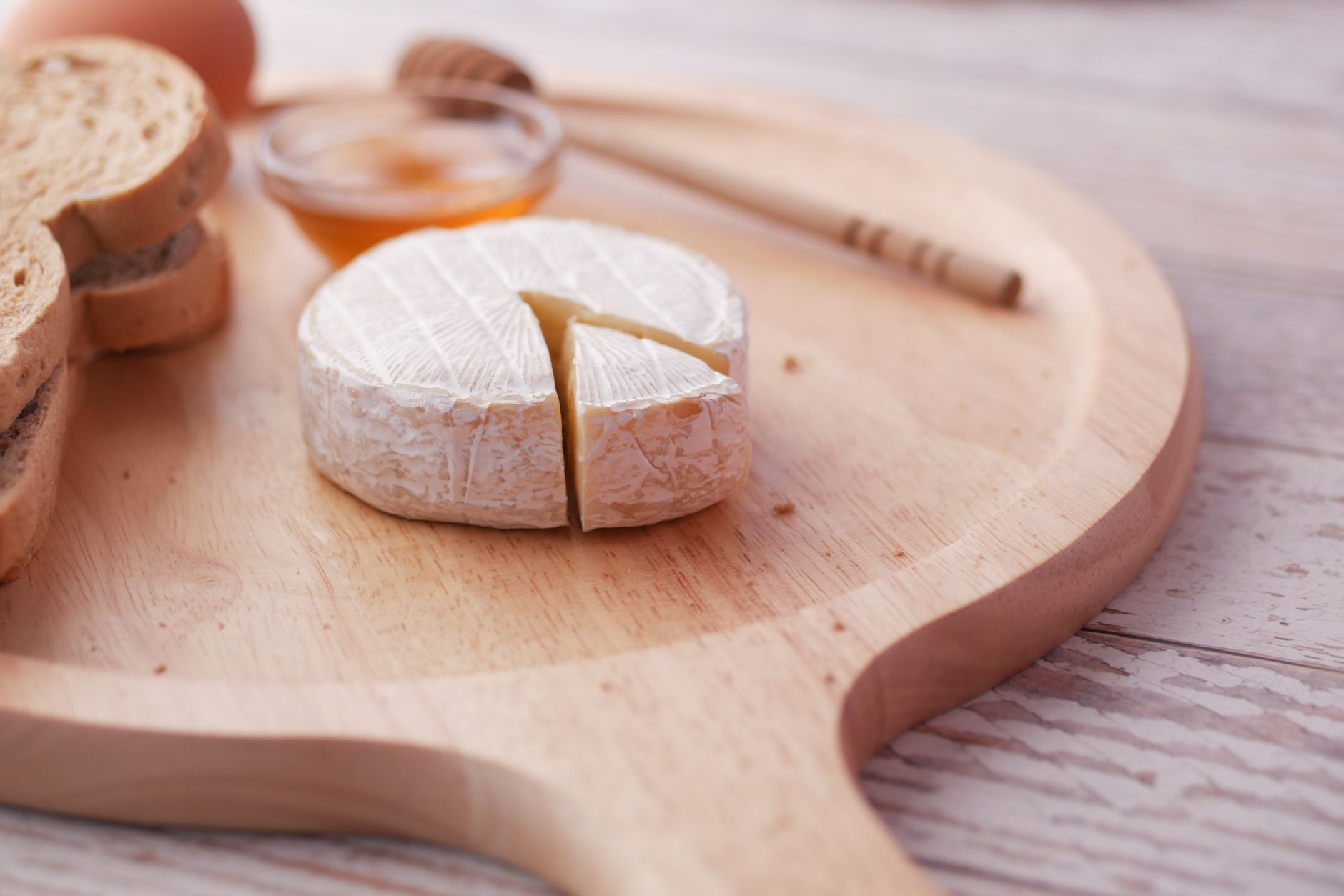
Brie is a beloved cheese known for its creamy texture and distinct flavor. A common question that arises when enjoying this cheese is whether or not to eat the rind, which is the outer layer of Brie. Understanding the rind’s purpose, texture, and taste can enhance your cheese-eating experience.
This article will explore the ins and outs of Brie, including its rind, how to enjoy it, and various ways to incorporate Brie into your meals. Whether you’re a longtime fan or new to this cheese, there’s plenty to discover.
Do You Eat the Outside of Brie?
Yes, you can eat the outside of Brie. The rind is edible and adds a unique flavor and texture to the cheese. It’s made from mold and contributes to the cheese’s overall profile, often described as earthy and slightly mushroomy. Many cheese lovers enjoy the complex flavor combination created by the rind and the creamy interior.
Understanding Brie Cheese
Brie is a soft cheese originating from France, specifically the Île-de-France region. It’s made from cow’s milk and contains a high-fat content, which contributes to its rich, velvety texture. Brie is typically in wheel form, with a pale yellow interior and a white, bloomy rind.
The production of Brie involves an intricate process of cheese-making that includes coagulation, curdling, and carefully controlled fermentation, allowing the development of flavor and texture. The key components of Brie include:
- Cow’s Milk: Provides the creamy depth characteristic of Brie.
- Rennet: Helps curdle the milk, forming a solid curd.
- Specific Cultures: Encourage the growth of bacteria and molds critical for developing the cheese’s flavor and texture.
The Rind: What Is It Made Of?
The rind of Brie is produced during the cheese-making process through the application of Penicillium candidum mold. This mold forms a natural skin around the cheese, protecting it from spoilage while allowing it to mature. The rind is soft, slightly furred, and can have a chalky white appearance.
Besides aesthetics, the rind serves several purposes, including:
- Flavor Enhancement: The rind has distinct earthy notes that complement the rich, creamy interior.
- Texture Contrast: It provides a slight firmness that contrasts beautifully with Brie’s creamy softness.
- Protection: It encases the cheese, helping to retain moisture and flavor.
How to Enjoy Brie, Rind Included
Eating Brie with its rind is commonplace, and there are numerous ways to enjoy it. Here are some suggestions on how to incorporate Brie into your meals:
1. Cheese Boards
A cheese board is one of the most popular ways to serve Brie. Slice the cheese into wedges, rind included, and arrange it with a variety of accompaniments:
- Crackers or Bread: Offer a crunchy base that pairs well with the creamy Brie.
- Fruits: Fresh fruits like apples, pears, or berries add sweetness, while dried fruits like figs and apricots complement Brie’s richness.
- Nuts: Almonds or walnuts provide texture and contrast to the softness of the cheese.
- Honey or Jams: These add a sweet component contrasting nicely with the savory notes of Brie.
2. Baked Brie
Baking Brie is another delightful way to enjoy this cheese. The baking process softens the cheese further, making it an irresistible dip. Here’s a simple method for preparing baked Brie:
- Preheat your oven to 350°F (175°C).
- Place a round of Brie in a baking dish or on a lined baking sheet.
- Drizzle honey or sprinkle nuts on top for added flavor.
- Bake for about 15-20 minutes until the cheese is gooey and slightly melted.
- Serve with crusty bread or crackers for dipping.
3. In Salads
Brie pairs beautifully with leafy greens, providing a creamy texture to salads. Try adding sliced Brie to:
- Mixed greens with toasted nuts and vinaigrette for a crunchy contrast.
- Spinach and strawberries for a delightful burst of flavor.
4. In Sandwiches and Wraps
Brie can enhance sandwiches and wraps with its unique flavor. Use it in:
- A turkey sandwich with spinach and tomato.
- Wraps with roasted vegetables and a drizzle of balsamic glaze.
Common Mistakes When Eating Brie
To fully enjoy Brie—rind and all—it’s essential to avoid a few common pitfalls:
- Chilling the Cheese Too Much: Serving Brie straight from the refrigerator can dull its flavors. Allow it to sit at room temperature for about 30 minutes before serving for a better taste experience.
- Discarding the Rind: As mentioned, the rind offers flavor and texture. Unless you are put off by its taste or texture, it is best to enjoy it.
- Pairing with Incompatible Foods: Combining Brie with overly strong flavors can overshadow its delicate notes. Keep pairings balanced to highlight the cheese.
Substitutions and Variations
While Brie is delicious on its own, you can explore various cheeses with similar profiles if you can’t find Brie or want to try something different:
- Camembert: Similar in flavor and texture, Camembert has a stronger taste but can be used in the same way as Brie.
- Triple-Cream Cheeses: These provide the same creamy texture, but with additional richness.
- Goat Cheese: Ideal for those who enjoy tangy flavors; it won’t have the same creaminess but can work in various dishes alongside soft cheeses.
Storage Tips for Brie
Proper storage is essential to maintain the quality of Brie. Follow these guidelines for optimal storage:
- Keep Brie in its original packaging until you are ready to use it, as this helps preserve flavor and moisture.
- If the original packaging is removed, wrap Brie loosely in parchment paper or cheese paper to allow it to breathe.
- Store it in the refrigerator, ideally in the cheese drawer where humidity and temperature are better controlled.
- Consume Brie within the expiration date, and aim to enjoy it within a few days after opening for the best flavor.
Regional Variations of Brie
While traditional Brie is from France, various countries produce their own interpretations of this cheese:
- Brie de Meaux: A renowned French Brie that boasts a strong flavor.
- Brie de Melun: Similar to Brie de Meaux but with a firmer texture and more pronounced flavor.
- American and Canadian Brands: These often offer variations in taste and texture but can be just as delightful as their French counterparts.
Recipe: Brie and Apple Crostini
For a quick appetizer that’s sure to impress, try making Brie and apple crostini. This dish marries the creaminess of the cheese with the tartness of the apple, creating a delightful contrast.
Yield: 12 servings
Preparation Time: 15 minutes
Cooking Time: 10 minutes
Total Time: 25 minutes
Ingredients
- 1 French baguette, sliced into 1/2-inch pieces
- 8 ounces Brie cheese, sliced
- 1 large apple (such as Granny Smith), thinly sliced
- 2 tablespoons honey
- ¼ teaspoon cinnamon (optional)
- Fresh thyme leaves for garnish (optional)
Equipment
- Baking sheet
- Knife
- Oven
Instructions
- Preheat the oven to 375°F (190°C).
- Arrange baguette slices on a baking sheet and toast in the oven for about 5 minutes until lightly golden.
- Remove the toasted baguette and spread a slice of Brie on each piece.
- Top with apple slices and drizzle with honey. Sprinkle with cinnamon if using.
- Return to the oven for an additional 5 minutes until the cheese is gooey.
- Garnish with fresh thyme and serve warm.
Why This Recipe Works
This recipe highlights the creamy, salty richness of Brie, balancing it perfectly with the tartness of the apple. The honey adds a touch of sweetness, while the optional cinnamon enhances the flavor profile, making it ideal for entertaining.
Conclusion
Brie cheese, complete with its rind, offers a unique and delightful culinary experience. Enjoy it in various forms, from cheese boards to baked dishes, and don’t shy away from savoring the rind. It adds not only flavor but also texture to the cheese, enhancing your overall enjoyment.
Next, consider trying a homemade Brie and apple crostini for a quick and impressive appetizer. Explore more delicious recipe ideas and cooking tips to elevate your cheese palate.