
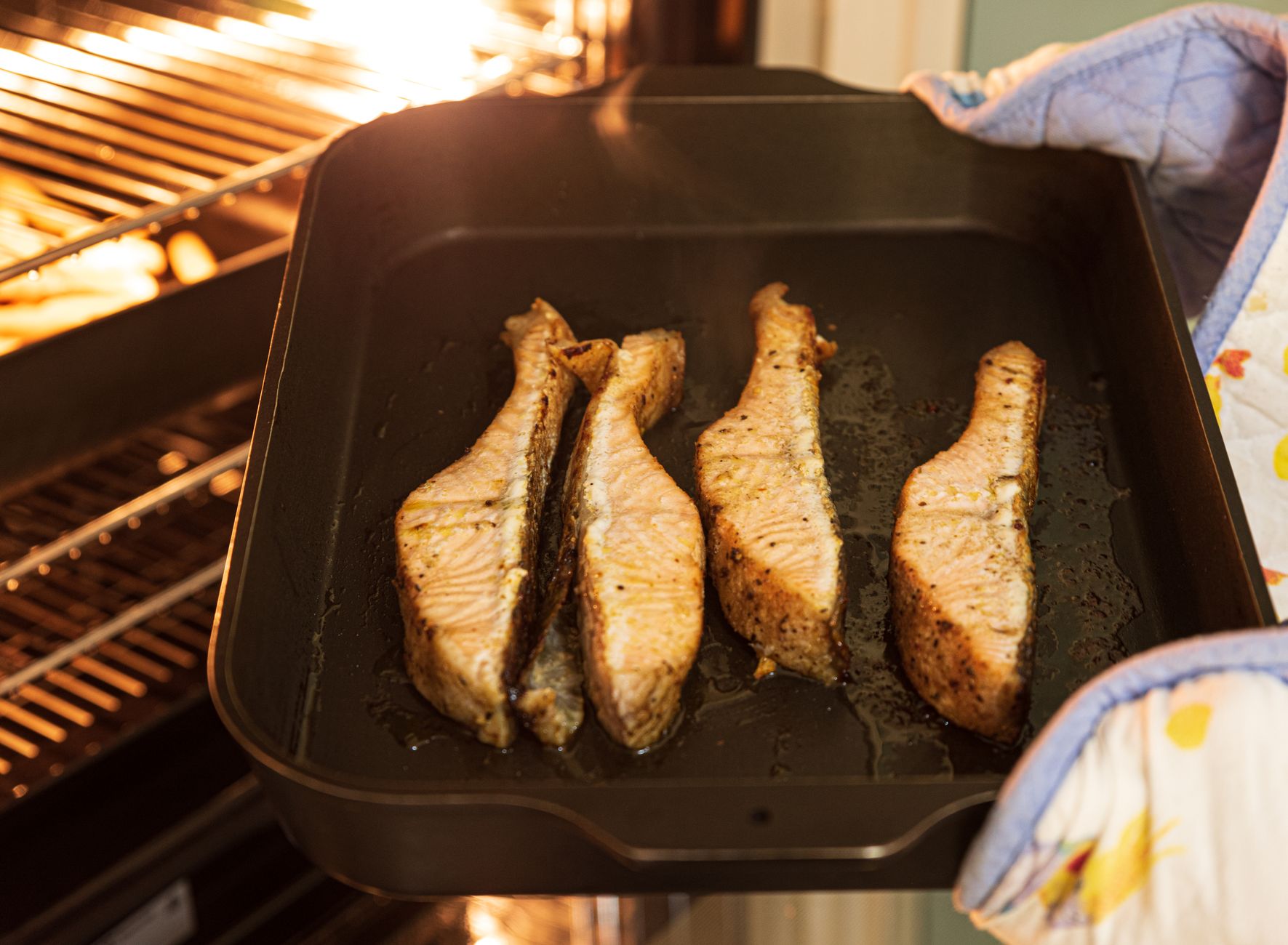
Salmon is a popular fish known for its rich flavor and health benefits, making it a staple in many households. When it comes to cooking salmon in the oven, one common question arises: should you bake it covered or uncovered? The answer depends on your desired outcome, including texture, moisture, and flavor intensity.
In this article, we will explore the best methods for baking salmon, including the differences between covered and uncovered baking, cooking times, optimal temperatures, and tips for achieving perfect results every time.
Do You Bake Salmon Covered or Uncovered?
Whether to bake salmon covered or uncovered largely depends on the final texture and flavor you want to achieve. Baking salmon uncovered allows it to develop a crispy exterior, while covering it can help retain moisture and tenderness. Both methods have their merits, and the choice ultimately comes down to personal preference.
Understanding the Basics of Baking Salmon
Baking salmon is a straightforward cooking method that provides consistent results. Knowing a few key points about salmon and the baking process can help you make informed decisions about covering or uncovering the fish.
Types of Salmon
Different species of salmon vary in fat content and texture. Here’s a quick overview:
- Atlantic Salmon: Known for its high-fat content, this salmon is rich and buttery. It tends to stay moist but can also become overly oily if not cooked carefully.
- Chinook (King) Salmon: With a high-fat content similar to Atlantic salmon, Chinook has a rich flavor. It benefits from both cooking methods.
- Coho Salmon: This salmon is leaner than Chinook and has a milder flavor. It may require moisture retention, making the covered method more appealing.
- Pink Salmon: The lowest fat content among wild salmon types, pink salmon is gentle in flavor and benefits from moisture preservation.
How Baking Affects Salmon
When baking salmon, certain changes occur:
- The heat causes the proteins in the fish to coagulate, firming up its texture.
- The fat content in flavorful salmon can help keep the fish moist.
- Seasonings and marinades will penetrate more effectively when the salmon is baked covered.
Baking Salmon Uncovered
Baking salmon uncovered allows for a beautiful, caramelized surface. Here’s a closer look at the benefits and method:
Benefits of Baking Uncovered
- Crispy Texture: The dry heat allows for browning, which enhances flavor.
- Flavor Concentration: Uncovered baking can lead to a deeper flavor profile as moisture evaporates, intensifying the seasonings.
- Visual Appeal: A nicely browned salmon fillet is often more visually enticing.
How to Bake Salmon Uncovered
- Preheat your oven to 400°F (200°C).
- Prepare your salmon fillet by patting it dry and placing it skin-side down on a lined baking sheet or in a baking dish.
- Season with desired herbs, spices, or marinades.
- Bake uncovered for approximately 15-20 minutes, depending on the thickness of the fillet.
- Check for doneness using a food thermometer; salmon should reach 145°F (63°C) in the thickest part.
- Remove from the oven and allow it to rest for a few minutes before serving.
Baking Salmon Covered
Now let’s examine the benefits of baking salmon covered and how to do it effectively:
Benefits of Baking Covered
- Moisture Retention: Covering the fish helps trap steam, preserving moisture and leading to a tender texture.
- Flavor Infusion: Covered baking allows seasonings and marinades to penetrate deeper into the fish, mixing with the steam.
- Reduced Cooking Time: Covering can speed up the cooking process slightly since the trapped steam promotes more even cooking.
How to Bake Salmon Covered
- Preheat your oven to 375°F (190°C).
- Prepare the salmon fillet, seasoning it as desired and placing it in a baking dish.
- Cover the dish tightly with aluminum foil or a lid.
- Bake for 20-25 minutes, checking for doneness.
- Using a food thermometer, the salmon should reach 145°F (63°C) in the thickest section.
- Let it rest for a few minutes before serving, allowing flavors to settle.
Choosing the Best Method for Your Salmon
When deciding how to bake your salmon, consider the following factors:
Thickness of the Fillet
The thicker the fillet, the longer it will take to cook through. Thicker pieces may benefit from covered baking to retain moisture, while thinner pieces can be baked uncovered to achieve a crispy finish.
Desired Texture
If you prefer a moist, flaky texture, opt for the covered method. For a crispy crust with a more robust flavor, bake uncovered.
Cooking Time and Temperature
Regardless of which method you choose, always monitor your salmon closely to avoid overcooking. The USDA recommends an internal temperature of 145°F (63°C) for seafood, ideally checked with a food thermometer.
Common Mistakes When Baking Salmon
Even veteran cooks can run into trouble. Here are some common pitfalls to avoid:
- Overcooking: Salmon can dry out quickly; use a food thermometer to ensure it’s not overdone.
- Not Seasoning Enough: Failing to season adequately can lead to bland flavor, so use a mix of herbs, citrus, and seasoning salts.
- Ignoring Temperatures: Baking at too high a temperature can cause the outside to burn before the center cooks through.
Flavor and Ingredient Variations
Salmon is versatile, allowing for a variety of flavor pairings. Here are some ideas to enhance your salmon:
Marinades and Seasonings
- Lemon-Dill Marinade: Combining lemon juice, olive oil, fresh dill, and garlic creates a refreshing flavor.
- Teriyaki Glaze: A sweet and savory sauce that caramelizes beautifully when baked uncovered.
- Herb Crust: A mixture of breadcrumbs, parsley, and Parmesan cheese works well baked uncovered for added texture.
Cooking Methods Beyond Baking
Baking is just one way to prepare salmon. Consider these alternatives:
- Grilling: Creates a smoky flavor and impressive grill marks; includes indirect heat cooking for larger pieces.
- Pan-Searing: Provides a perfect crust and quick cooking time; finish in the oven for thicker fillets.
- Poaching: Cooking in liquid (water or broth) leads to tender, moist results; great for meal prep.
Storage and Reheating Salmon
Understanding how to store leftover salmon properly ensures good quality for future meals.
Storing Cooked Salmon
- Allow the salmon to cool to room temperature.
- Wrap it tightly in aluminum foil or place it in an airtight container.
- Refrigerate leftover salmon and consume within 3-4 days for best quality.
Reheating Salmon
When reheating salmon, gentle heating is recommended to maintain its flavor and texture:
- Place salmon in a preheated oven at 275°F (135°C) for about 15 minutes, or until heated through.
- Alternatively, use a microwave on medium power for 1-2 minutes, checking frequently to avoid overcooking.
Final Thoughts
Whether you choose to bake your salmon covered or uncovered, both methods can create delicious results worthy of any dinner table. With proper seasoning, attention to cooking times, and temperature monitoring, you can enjoy a perfectly baked salmon dish that highlights its natural flavors.
Explore further culinary techniques for salmon or check out different preparations by visiting guides and recipes available on our blog. Try our how to tell if salmon is bad and salmon loaf recipe for more ideas on handling and preparing this delicious fish.