
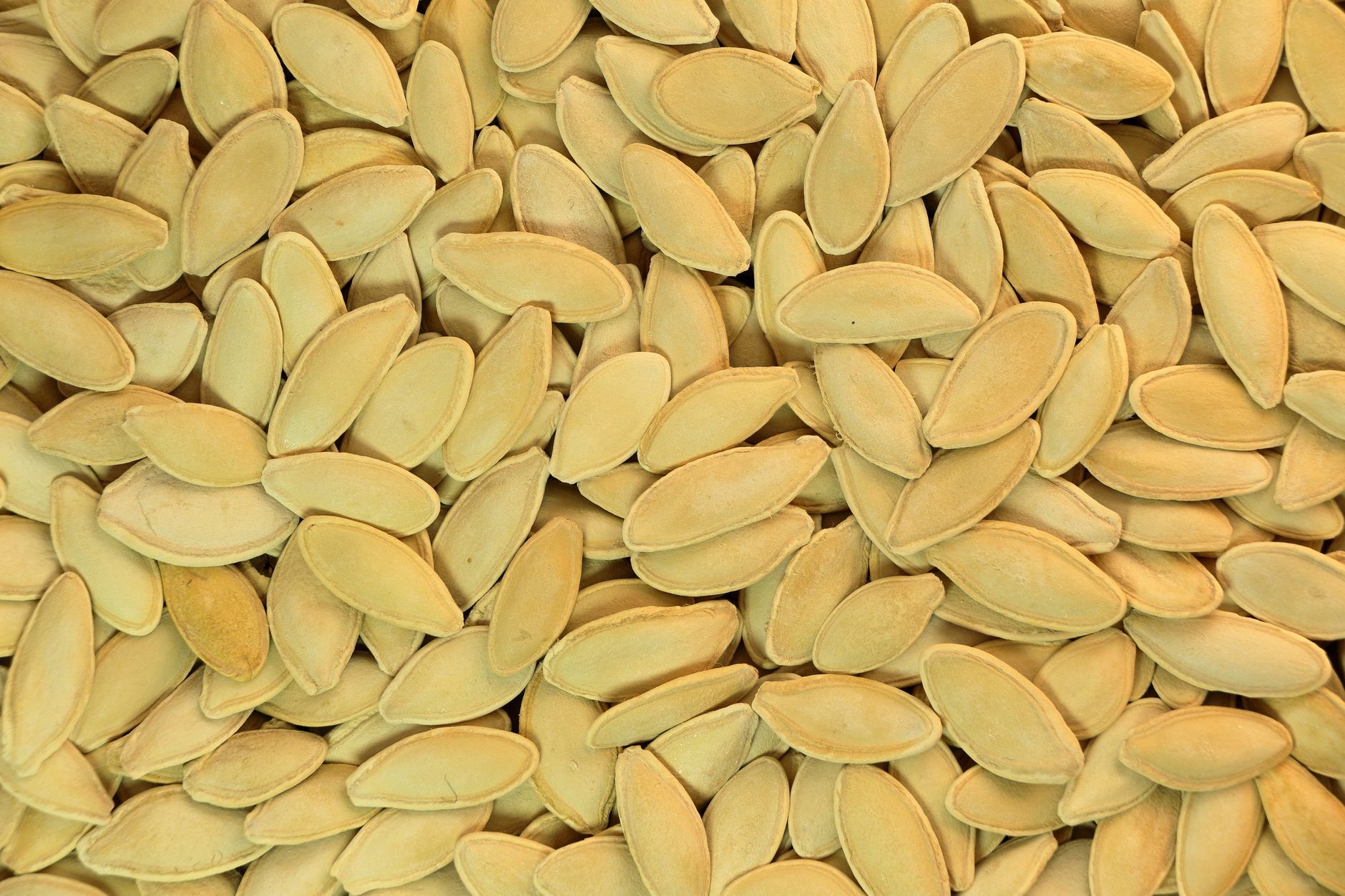
Pumpkin seeds, also known as pepitas, are small yet mighty seeds packed with nutrition. One common question about these tiny powerhouses is whether they contain fiber. Understanding the fiber content of pumpkin seeds can help you effectively incorporate them into your diet for better digestive health and overall wellbeing.
In this article, we will explore the nutritional profile of pumpkin seeds, their fiber content, suggested serving sizes, and additional health benefits. With this knowledge, you can make informed choices and creatively include pumpkin seeds in your meals and snacks.
Do Pumpkin Seeds Have Fiber?
Yes, pumpkin seeds do contain fiber. A 1-ounce (28-gram) serving of roasted pumpkin seeds provides about 1.1 grams of dietary fiber. This helps support digestive health, promotes satiety, and can aid in maintaining a healthy weight.
Nutritional Profile of Pumpkin Seeds
Before diving deeper into fiber, it’s essential to understand the overall nutritional benefits of pumpkin seeds. They are not only a source of fiber but also provide a wealth of other nutrients.
Vitamins and Minerals
- Magnesium: Important for muscle and nerve function, as well as bone health.
- Iron: Crucial for oxygen transport in the blood.
- Zinc: Plays a vital role in immune function and wound healing.
- Phosphorus: Contributes to the health of bones and teeth.
- Folate: A B-vitamin necessary for DNA synthesis.
- Vitamin K: Important for blood clotting and bone health.
Healthy Fats and Protein
Pumpkin seeds predominantly comprise healthy fats, which are beneficial for heart health. Additionally, they have a good protein profile, making them an excellent option for those seeking plant-based protein sources.
Fiber Content in Pumpkin Seeds
As mentioned earlier, a 1-ounce (28-gram) serving of pumpkin seeds contains about 1.1 grams of dietary fiber. For those looking to increase their fiber intake, pumpkin seeds serve as a valuable addition to the diet.
Understanding Dietary Fiber
Dietary fiber is a type of carbohydrate that our body cannot digest. It is beneficial for several reasons:
- Weight Management: Fiber adds bulk to the diet, promoting feelings of fullness and satiety.
- Digestive Health: Fiber helps to keep the digestive system running smoothly by promoting regular bowel movements.
- Blood Sugar Control: Fiber can slow the absorption of sugar, improving blood sugar levels.
- Cholesterol Management: Soluble fibers may help lower cholesterol levels.
How to Incorporate Pumpkin Seeds in Your Diet
Now that we understand the nutritional benefits of pumpkin seeds, let’s explore how to enjoy them in your daily meals. Here are several practical ideas:
1. As a Snack
Roasted pumpkin seeds make an excellent snack. Lightly salt them or toss them with your favorite spices for added flavor. They are easy to grab on the go and satisfy those mid-day hunger pangs.
2. In Smoothies
Add a tablespoon of pumpkin seeds to your morning smoothie for a nutrient boost. Their subtle flavor complements fruits and greens, while adding protein and fiber.
3. In Salads
Sprinkle pumpkin seeds over salads for added crunch and nutrition. They pair well with various dressings and ingredients like spinach, feta, and cranberries.
4. In Baked Goods
Incorporate pumpkin seeds into muffins, bread, or granola bars for extra texture and nutrients. They can be folded into batters or used as a topping before baking.
5. In Trail Mix
Create a homemade trail mix using pumpkin seeds, nuts, dried fruits, and dark chocolate for a healthy snack. This combination is convenient for hiking or snacking at work.
6. In Cooking
Add pumpkin seeds to stir-fries or grain bowls for added protein and crunch. They work well in dishes featuring quinoa, brown rice, or leafy greens.
Portion Sizes and Serving Suggestions
To enjoy the health benefits of pumpkin seeds, it’s important to practice portion control. Recommended serving sizes can vary depending on individual dietary needs, but here are some general guidelines:
- Snack: 1 ounce (about a quarter cup)
- In Baked Goods: 2 tablespoons
- In Salads: 1-2 tablespoons as a topping
- In Smoothies: 1 tablespoon
Health Benefits of Pumpkin Seeds
In addition to containing fiber, pumpkin seeds offer a range of health benefits that make them a worthwhile addition to your diet.
Antioxidant Properties
Pumpkin seeds contain antioxidants that help protect your body from free radical damage. This can help reduce inflammation and lower the risk of chronic diseases.
Heart Health
Regular consumption of pumpkin seeds can support heart health due to their high magnesium and healthy fat content. Magnesium plays a crucial role in regulating blood pressure levels.
Blood Sugar Regulation
The fiber and healthy fats in pumpkin seeds can contribute to better blood sugar regulation. They can stabilize blood sugar levels by slowing the absorption of sugar into the bloodstream.
Support for Men’s Health
Some studies suggest that pumpkin seeds may be particularly beneficial for men. They are a good source of zinc and have been linked to prostate health.
Common Mistakes and Troubleshooting
When incorporating pumpkin seeds into your diet, there are a few common mistakes to be aware of:
1. Overconsumption
Although healthy, pumpkin seeds are calorie-dense. Keep an eye on your portion sizes to avoid excess calorie intake.
2. Neglecting Preparation Methods
Raw pumpkin seeds can be a bit tough and less flavorful than roasted ones. Consider roasting them with a little olive oil and seasoning for added taste.
3. Ignoring Allergies or Dietary Restrictions
Be mindful of any allergies or sensitivities. If you have nut allergies, ensure that pumpkin seeds are safe for your diet, as they can occasionally be processed in facilities that handle nuts.
Storage Guidelines
To maintain the freshness and nutritional quality of pumpkin seeds, proper storage is key:
1. Choosing the Right Container
Store pumpkin seeds in an airtight container to protect them from air and moisture, which can lead to spoilage.
2. Refrigeration
For optimal freshness, consider refrigerating pumpkin seeds. This can help extend their shelf life by preventing rancidity.
3. Shelf Life
If stored properly in a cool, dark place or refrigerated, pumpkin seeds can last up to six months. If they become rancid, they will have a strong, unpleasant odor.
Conclusion
Pumpkin seeds are an excellent source of dietary fiber and numerous health benefits. With the information provided, you can confidently add them to your meals and reap the rewards of their nutritional value. Whether you enjoy them as a snack, in salads, or as a topping for baked goods, pumpkin seeds are versatile and delicious.
To further enhance your culinary experience, explore related information such as what pumpkin puree is and the benefits of chia seeds. Happy cooking!