
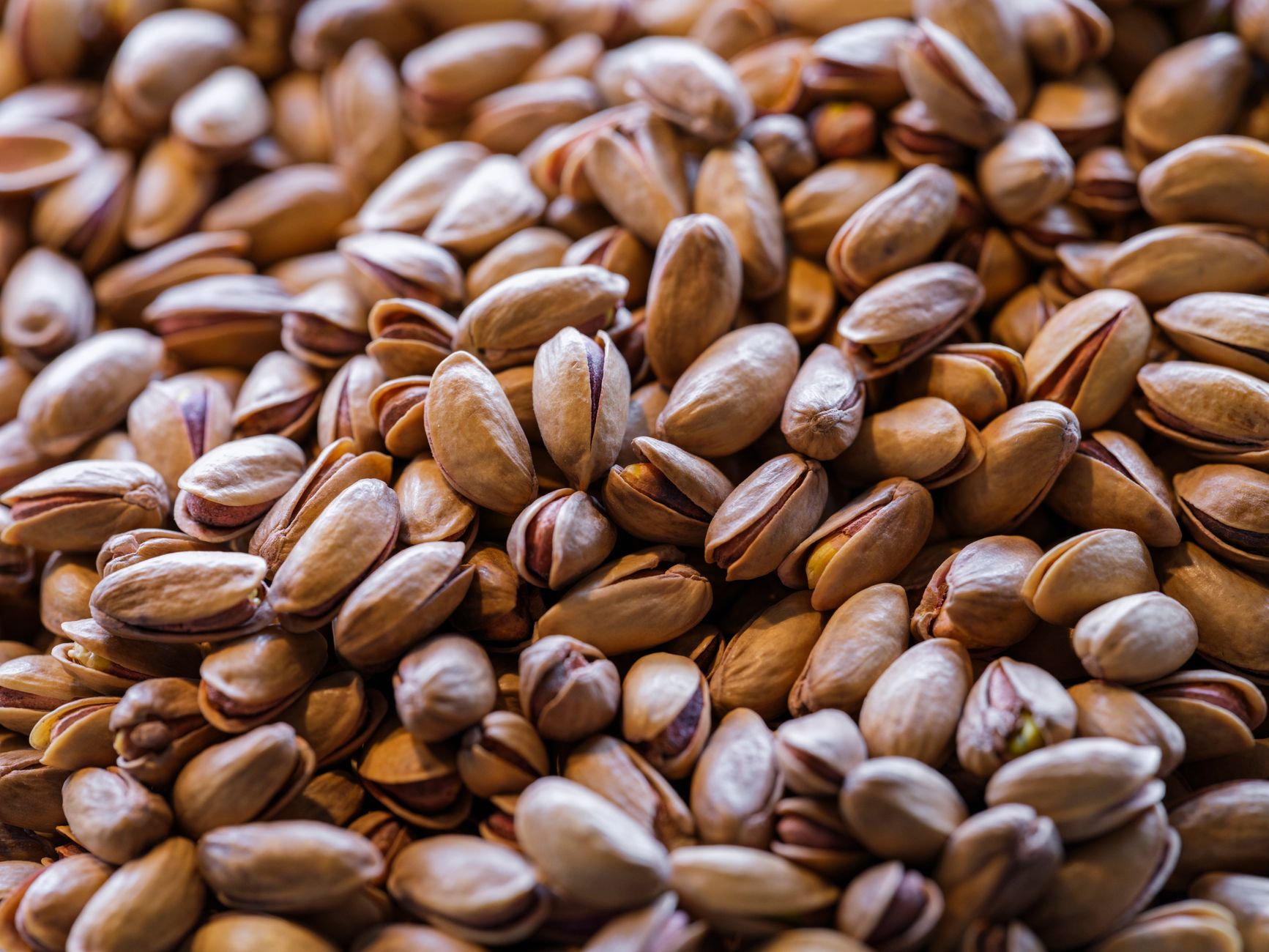
Pistachios, known for their rich flavor and crunchy texture, are a popular snack enjoyed by many. They are versatile, often used in desserts, salads, and various dishes. However, the question arises: do pistachios go bad? Understanding the shelf life of pistachios is essential for maintaining their quality and safety.
This guide will explore how to properly store pistachios, signs that they have gone bad, and what to do with them if they have. With this knowledge, you can ensure that your pistachios remain fresh and flavorful for as long as possible.
Do Pistachios Go Bad?
Yes, pistachios can go bad over time, especially if they are not stored properly. When stored in the right conditions, unshelled pistachios can last up to a year, while shelled pistachios typically last around 6 months. Knowing the signs of spoilage and proper storage methods will help keep them fresh.
The Shelf Life of Pistachios
The shelf life of pistachios varies based on whether they are shelled or unshelled and how they are stored. Below is a general overview:
- Unshelled Pistachios: 12 months when stored in a cool, dry place.
- Shelled Pistachios: 6 months in the pantry, but can last up to a year if refrigerated.
- Roasted Pistachios: About 4 months in the pantry, may last longer if refrigerated.
- Pistachio Butter: 2-3 months once opened, but can last longer if kept refrigerated.
How to Store Pistachios
Proper storage is key to extending the shelf life of pistachios. Here are some effective methods:
1. Keep Them in a Cool, Dry Place
Storing pistachios in a cool, dry area protects them from moisture, which can promote mold growth and spoilage. A pantry or cupboard away from heat sources is ideal.
2. Use Airtight Containers
Transfer pistachios from their original packaging to airtight containers. This helps in preventing exposure to air, which can introduce moisture and lead to rancidity.
3. Refrigeration
If you have opened shelled pistachios or if you live in a particularly warm climate, refrigeration is a smart option. The cold environment slows down the oxidation process, keeping the nuts fresh for a longer period.
4. Freezing for Long-Term Storage
If you want to keep pistachios for an extended period, consider freezing them. Place them in airtight bags or containers, removing as much air as possible. Properly stored, they can last up to two years in the freezer.
Signs That Pistachios Have Gone Bad
Even with proper storage, pistachios can still spoil. Here are some signs to look for:
1. Smell
Fresh pistachios have a pleasant, nutty aroma. If they smell rancid or off, it is a clear indicator that they have spoiled.
2. Taste
Rancidity can also be detected by taste. If pistachios have an unpleasant or bitter flavor, discard them.
3. Appearance
Check for signs of mold or discoloration. If you see any unusual spots or a white powdery coating, it’s best to throw them away.
4. Texture
Fresh pistachios are crunchy. If they feel soft or chewy, they may have lost their desirable texture due to moisture or spoilage.
Health Risks of Consuming Bad Pistachios
Eating spoiled pistachios can lead to foodborne illnesses, especially if they have developed mold. Mold can produce mycotoxins, which are harmful to health. It is always better to err on the side of caution and discard any pistachios that show signs of spoilage.
Using Pistachios in Cooking and Baking
Pistachios can elevate a variety of dishes, thanks to their unique flavor. Consider these culinary uses:
1. Snacks
Plain roasted pistachios make a great snack. You can also season them with spices such as chili powder or garlic powder for an exciting twist.
2. In Salads
Add chopped pistachios to salads for added crunch and flavor. They pair well with leafy greens, fruits, and creamy dressings.
3. Baking
Pistachios can be incorporated into baked goods like cookies, cakes, and muffins. They impart a lovely flavor and texture that enhances the overall dish.
4. In Sauces and Dips
Pistachio paste can be used to create luxurious sauces and dips. Blend pistachios with olive oil, garlic, and herbs for a delicious addition to your meals.
Practical Tips for Using Pistachios
Here are some tips to maximize the use of your pistachios in cooking:
- Chop or Grind: Chopping or grinding pistachios will release their oils, making them even more flavorful for recipes.
- Pair with Complementary Ingredients: Consider pairing pistachios with flavors like citrus, chocolate, or honey to enhance your dishes.
- Toast for Extra Flavor: Lightly toasting pistachios can intensify their flavor. Do this in a dry skillet over medium heat for a few minutes until they become fragrant.
Common Mistakes with Pistachios
While using pistachios is generally straightforward, avoid these common pitfalls:
1. Buying Oxidized Nuts
Always buy pistachios from a reputable source where turnover is high to ensure freshness. Rancid nuts can ruin your dish.
2. Improper Storage
Failing to store pistachios in airtight containers or suitable environments can lead to spoilage faster than expected.
3. Not Checking for Freshness
Before using, always check the smell and taste of pistachios to ensure they haven’t gone bad.
What to Do If Your Pistachios Go Bad
If you find that you have bad pistachios, it is best not to consume them. Dispose of them safely and consider the following replacements:
- Walnuts: These have a similar crunch and can complement many dishes.
- Almonds: Another great nut option, almonds offer a different flavor but provide a satisfying crunch.
- Sunflower Seeds: For a nut-free alternative, sunflower seeds can be an excellent substitute in recipes.
Conclusion
Pistachios can certainly go bad, but with proper storage and knowledge of signs of spoilage, you can enjoy this delightful nut for months. Whether you snack on them, use them in your cooking, or incorporate them into baking, keeping them fresh ensures you get the best flavor and benefits.
If you’re looking to explore more about the shelf life of ingredients, check out our article on chia seeds or learn how to make delicious pistachio paste. Enjoy your culinary adventures!