
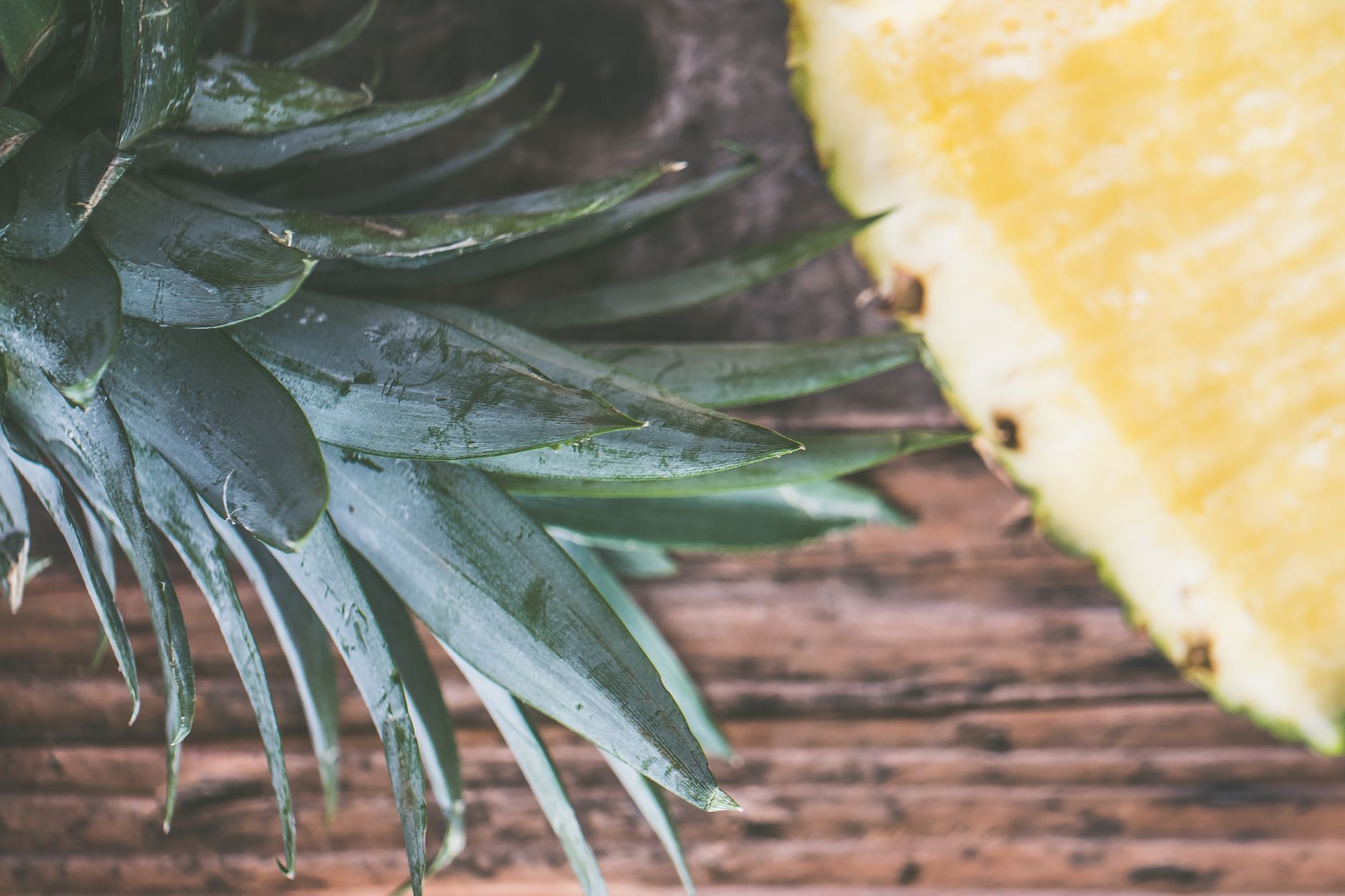
Pineapples are a tropical fruit known for their sweet and tangy flavor, but they also have a reputation for their potential influence on digestion. Many people wonder, do pineapples make you poop? This article delves into the components of pineapples that may affect your digestive system, exploring their fiber content, enzymes, and appropriate portion sizes.
Whether you enjoy eating fresh pineapple, adding it to smoothies, or incorporating it into savory dishes, understanding its effects on digestion can help you make informed choices about including this vibrant fruit in your diet.
Do Pineapples Make You Poop?
Pineapples can indeed promote regular bowel movements due to their high fiber content and the presence of bromelain, a digestive enzyme. The fiber helps regulate your digestive system, while bromelain may assist in breaking down proteins and improving digestion overall.
The Role of Fiber in Digestion
Fiber is an essential component of a healthy diet, contributing to digestive health and regularity. It comes in two primary forms: soluble and insoluble fiber.
- Soluble Fiber: This type of fiber dissolves in water and can help lower cholesterol levels and stabilize blood sugar. It can be found in fruits, oats, and legumes.
- Insoluble Fiber: This type does not dissolve in water and adds bulk to your stool, helping food pass through the digestive tract more efficiently. It is found in whole grains, nuts, and vegetables.
Pineapples contain both types of fiber, making them beneficial for your digestive health. A cup of fresh pineapple contains approximately 2.3 grams of fiber, supporting bowel regularity and overall digestive function.
Understanding Bromelain and Its Benefits
Bromelain is a group of digestive enzymes present in pineapples, especially in the stem and core. It is known for its ability to break down proteins, helping your digestive system process food more effectively.
Some potential benefits of bromelain include:
- Reducing inflammation: It may help reduce inflammation in the digestive tract, which can enhance gut health.
- Alleviating bloating: Bromelain can help relieve bloating and discomfort after meals by improving digestion.
- Enhancing absorption: By assisting in protein digestion, it may improve nutrient absorption from the foods you eat.
While bromelain may not directly cause bowel movements, it plays a supportive role in digestion, which can contribute to regularity.
Pineapple Portions and Their Effects on Digestion
When considering how pineapples affect digestion, portion size is crucial. Eating a moderate amount of pineapple can promote healthy digestion, while consuming too much may lead to discomfort or diarrhea.
The general recommendation for fruit intake is about two servings per day. For pineapple, this could translate to:
- One cup of fresh pineapple cubes
- A half-cup of canned pineapple (in juice, not syrup)
- One cup of pineapple juice
Monitoring portion sizes can help you enjoy the digestive benefits of pineapple without overdoing it. For those who are not accustomed to fiber-rich foods, it’s advisable to introduce pineapple gradually to avoid digestive upset.
Common Misconceptions About Pineapples and Digestion
Some people have misconceptions about the effects of pineapples on digestion. Here, we clarify a few of these misunderstandings:
- Myth: Pineapples cause diarrhea. While pineapple’s high fiber content can help with regularity, consuming excessive amounts may lead to digestive discomfort or diarrhea for some individuals. Moderation is key!
- Myth: Pineapples only benefit digestion when consumed raw. Pineapples can provide digestive benefits whether they are eaten fresh, juiced, or cooked. However, cooking may reduce bromelain content.
- Myth: Only pineapple juice aids digestion. While juice can be beneficial, the whole fruit offers more fiber, which is essential for digestive health.
How to Enjoy Pineapples for Digestive Health
Incorporating pineapples into your diet can be both enjoyable and beneficial for digestion. Here are some delicious and practical ways to enjoy this tropical fruit:
- Fresh Pineapple: Cut fresh pineapple into cubes for a refreshing snack or add it to fruit salads for variety.
- Smoothies: Blend pineapple with spinach, bananas, and yogurt for a nutrient-packed smoothie that supports digestion.
- Salsas: Combine diced pineapple with tomatoes, onions, cilantro, and lime juice for a zesty salsa that can complement grilled meats.
- Grilling: Grilling pineapple enhances its sweetness, making it a perfect addition to desserts or savory dishes.
Experimenting with pineapple in different recipes can keep your meals interesting while providing the digestive benefits this fruit offers.
Potential Risks and Side Effects
While pineapples can be a healthy addition to your diet, there are some potential risks and side effects to be aware of:
- Allergy: Some individuals may have a pineapple allergy that could cause symptoms such as itching, swelling, or digestive distress.
- Acidic nature: Pineapples are acidic and may exacerbate heartburn or acid reflux in sensitive individuals.
- Digestive upset: For those not accustomed to high-fiber foods, consuming large amounts of pineapple may lead to bloating, gas, or diarrhea.
If you experience any adverse effects, it is best to consult a healthcare professional and consider moderating your intake.
Practical Storage and Preparation Tips
To enjoy pineapples at their best, proper storage and preparation are crucial. Here are some useful tips:
Storage
- Fresh Pineapple: Store uncut pineapple at room temperature. Once cut, refrigerate it in an airtight container for up to three days.
- Canned Pineapple: Keep canned pineapple in a cool, dry place. After opening, refrigerate any leftovers in a sealed container and consume within a few days.
- Pineapple Juice: Store unopened juice in the pantry, but once opened, keep it refrigerated and consume within a week.
Preparation
- Wash the pineapple thoroughly under running water.
- Using a sharp knife, slice off the top and bottom of the pineapple.
- Stand the pineapple upright and carefully cut off the skin, following the shape of the fruit.
- Remove any remaining “eyes” using the tip of the knife.
- Cut the pineapple into your desired shape (rings, cubes, or wedges).
Proper storage and preparation can enhance the flavor and nutritional benefits of pineapples while making them easier to incorporate into meals.
Conclusion
Pineapples can indeed aid digestion due to their fiber content and bromelain, which may help prevent constipation and promote regularity. However, it is important to consume them in moderation to avoid any digestive upset. Incorporating this tropical fruit in various recipes can provide both enjoyment and health benefits, so feel free to explore new ways to feature pineapples in your diet.
For more insights on healthy foods, consider reading about the carbohydrate content in broccoli or discover the benefits of pineapple for men’s health.