
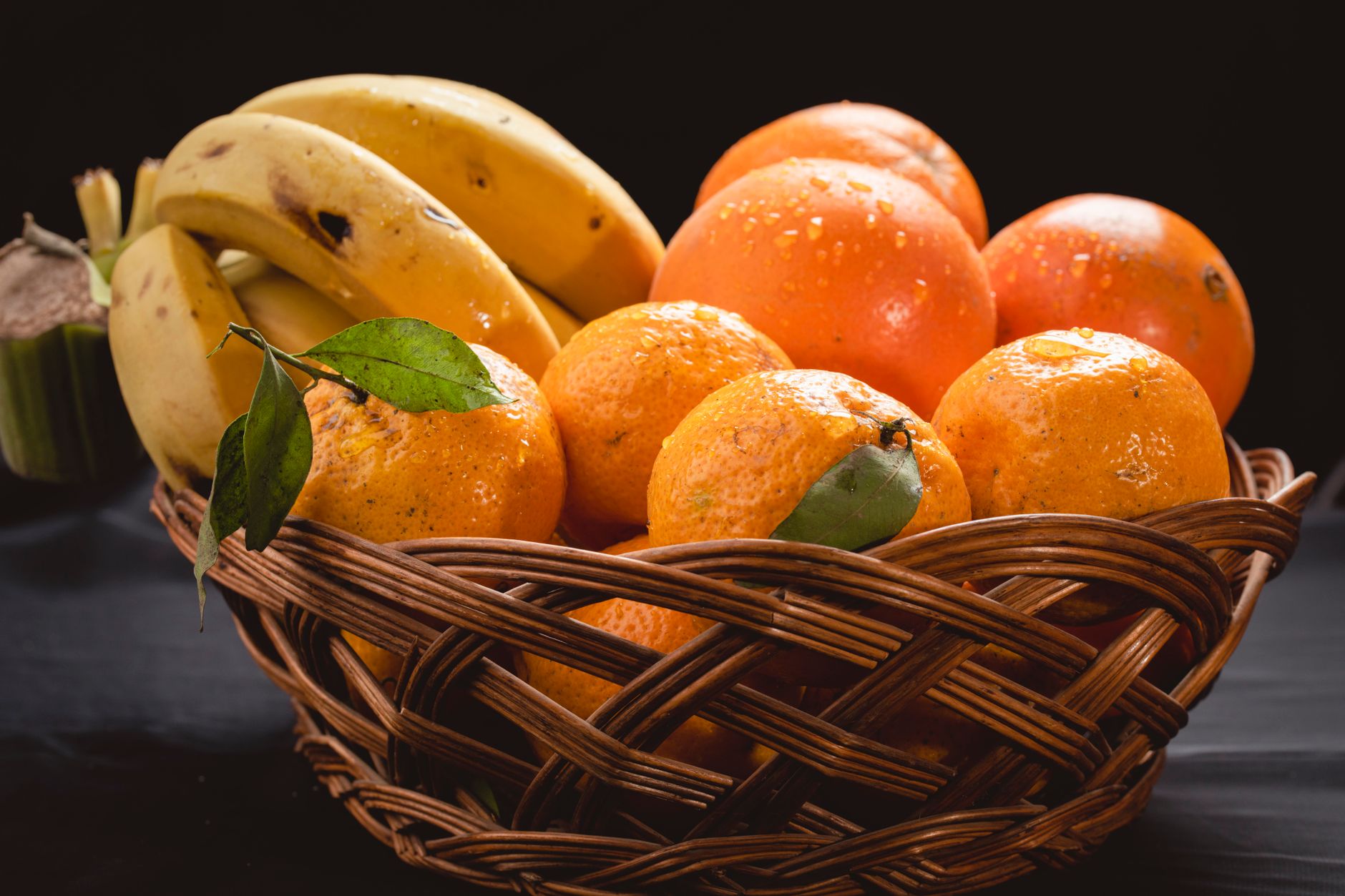
Potassium is an essential mineral that plays a vital role in various bodily functions, including heart health, muscle contraction, and fluid balance. As more people aim to improve their diets, fruits like oranges and bananas are commonly chosen for their nutritional benefits. This article explores the potassium content in oranges and bananas to determine which fruit provides more of this important mineral.
Understanding the difference in potassium content can help you make informed decisions when it comes to meal planning and snack choices. Let’s delve into the specifics of each fruit’s potassium levels, their health benefits, and how you can incorporate them into your diet effectively.
Do Oranges Have More Potassium Than Bananas?
When comparing the potassium content of oranges and bananas, bananas actually have more potassium per serving. A medium banana contains about 422 mg of potassium, whereas a medium orange has approximately 237 mg. This makes bananas a better choice if you are specifically looking to increase your potassium intake.
Understanding Potassium’s Role in the Body
Potassium is a crucial electrolyte that helps regulate fluid balance, muscle contractions, and nerve signals. It also helps lower blood pressure and is involved in carbohydrate metabolism. Adequate potassium intake is essential for maintaining a healthy heart and proper muscle function.
Benefits of Potassium
- Supports heart health by balancing sodium levels and helping lower blood pressure.
- Promotes proper muscle and nerve function.
- Aids in maintaining electrolyte balance after exercise.
- Reduces the risk of stroke and kidney stones.
Potassium Content in Oranges and Bananas
It’s important to compare not only the quantity but also the other nutritional benefits that these fruits provide. Below is a detailed breakdown of potassium content and some additional nutrients found in oranges and bananas.
Oranges
A medium orange (about 130 grams) contains the following nutrients:
- Calories: 62
- Potassium: 237 mg
- Vitamin C: 70 mg (about 78% of the daily recommended value)
- Fiber: 3.1 grams
- Sugars: 12 grams
In addition to potassium, oranges are particularly rich in vitamin C, which supports immune function and skin health.
Bananas
A medium banana (about 118 grams) includes:
- Calories: 105
- Potassium: 422 mg
- Vitamin C: 10 mg (about 11% of the daily recommended value)
- Fiber: 3.1 grams
- Sugars: 14 grams
Bananas are not only a great source of potassium but also contain vitamin B6, which is vital for neurotransmitter function and red blood cell production.
How to Incorporate Oranges and Bananas into Your Diet
Both oranges and bananas are versatile fruits that can be easily integrated into various meals and snacks. Here are some practical ways to enjoy each fruit:
Ways to Enjoy Oranges
- Eat raw as a refreshing snack or dessert.
- Use in salads, such as adding orange segments to spinach or mixed greens.
- Juice them for a vitamin-packed beverage.
- Add to smoothies or yogurt bowls for added flavor and nutrition.
- Incorporate in savory dishes, such as orange-glazed chicken or fish.
Ways to Enjoy Bananas
- Eat raw as a convenient snack.
- Slice onto oatmeal or cereal for added sweetness and nutrition.
- Blend into smoothies or milkshakes.
- Add to baked goods like banana bread, muffins, or pancakes.
- Freeze for use in smoothies or blended treats.
Practical Tips for Including More Potassium in Your Diet
If you’re looking to increase your potassium intake through foods, consider these tips:
- Balance your fruit choices. Include both bananas and oranges in your diet for a variety of flavors and nutrients.
- Consider other potassium-rich foods, such as sweet potatoes, leafy greens, tomatoes, and beans.
- Be aware of potassium needs based on individual health requirements and consult with a healthcare provider if needed.
Pursuing a Balanced Diet
While potassium is vital, it’s also important to focus on a balanced and varied diet. Consuming a wide range of fruits and vegetables ensures that you get various nutrients necessary for optimal health.
Other Fruits High in Potassium
In addition to oranges and bananas, there are several other fruits rich in potassium that you might consider adding to your meals:
- Avocado: Approx. 975 mg per medium avocado
- Watermelon: Approx. 170 mg per 100g
- Cantaloupe: Approx. 267 mg per cup
- Dried apricots: Approximately 1,162 mg per 100g
- Kiwi: About 312 mg per medium kiwi
Common Mistakes When Choosing Fruits
When trying to boost your potassium intake, it’s essential to avoid some common pitfalls:
- Relying on fruit juices. Many fruit juices have lower fiber and higher sugars, which may negate the benefits compared to whole fruits.
- Neglecting other potassium sources, believing bananas and oranges alone provide sufficient intake.
- Assuming all fruits are equal in nutritional value. Always check the nutritional content of each fruit.
Storage and Ripening Tips
To maximize the freshness and flavor of your bananas and oranges, consider the following storage tips:
Storage Tips for Oranges
- Store oranges at room temperature if you plan to eat them within a week.
- For prolonged storage, place them in the refrigerator, ideally in the crisper drawer, where they can last for up to two weeks.
- Keep them away from other fruits, as oranges can release ethylene gas that may speed up spoilage in other fruits.
Storage Tips for Bananas
- Store bananas at room temperature until they ripen. After they ripen, you can refrigerate them to extend freshness.
- To slow the ripening process, keep bananas away from other fruits.
- If you have overripe bananas, they are perfect for baking, smoothies, or freezing for later use.
Conclusion
In the comparison between oranges and bananas, bananas contain significantly more potassium per serving, making them the better choice for potassium intake. However, both fruits offer unique flavors and nutritional benefits that make them valuable additions to a balanced diet. Incorporating a variety of fruits, including both oranges and bananas, can contribute to overall health and well-being.
For more information about bananas, check out our articles on what is a banana and how much fiber is in a banana. Enjoy exploring the wide range of fruits available to support a healthy lifestyle.