
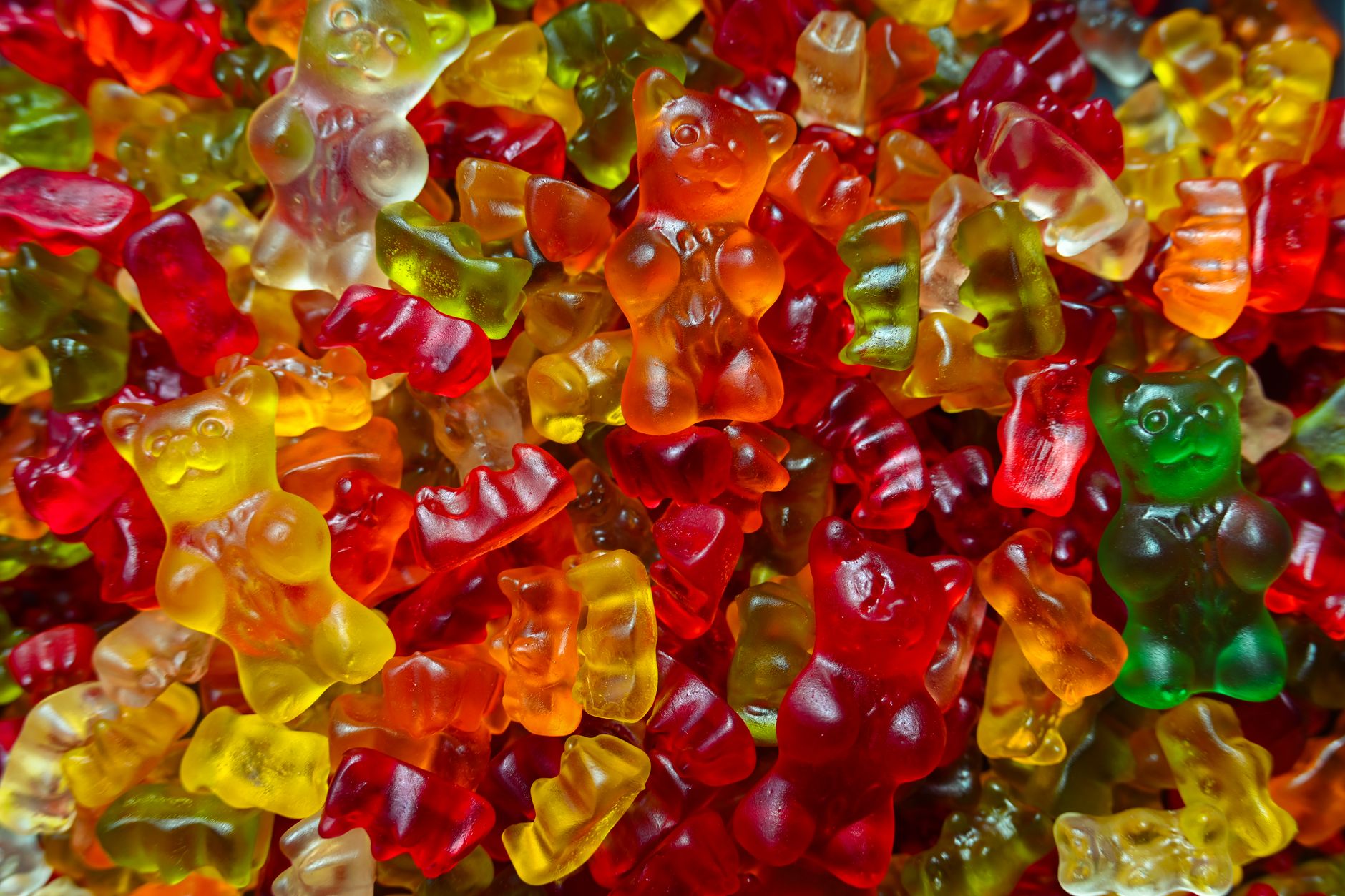
Gummy bears are a beloved candy known for their fun shapes, vibrant colors, and chewy texture. Many people who enjoy these treats often wonder whether they can indulge without dietary concerns, particularly regarding gluten. This article will clarify whether gummy bears contain gluten, explore their ingredients, and offer important allergy notes.
For those with celiac disease, gluten sensitivity, or those simply choosing gluten-free options, understanding the ingredients in gummy bears is essential. Let’s dive into the components that make up your favorite chewy candies and help you make informed choices about their consumption.
Do Gummy Bears Have Gluten?
Most traditional gummy bears are gluten-free. However, it is crucial to check the packaging and ingredients for any specific brand, as cross-contamination can occur during manufacturing processes or individual ingredient variations may include gluten-containing substances.
Understanding Gluten and Its Sources
Gluten is a protein found in wheat, barley, and rye. It can also be present in products that use these grains as thickening agents or fillers. For those with gluten sensitivities or celiac disease, consuming gluten can trigger serious health issues. Therefore, recognizing which foods contain gluten is vital for maintaining good health.
Gummy bears typically do not derive ingredients from gluten-containing grains, but some brands may use modified starches or flavorings that could potentially contain gluten. Always reading labels is a prudent choice.
Common Ingredients in Gummy Bears
The ingredients in gummy bears can vary across brands, but the standard gummy bear recipe generally includes:
- Gelatin: A protein derived from animal collagen, used for providing the chewy texture.
- Sugar: The primary sweetener, giving gummy bears their signature sweetness.
- Glucose syrup: Often derived from corn, it acts as a sweetener and moisture-retentive agent.
- Citric acid: Used for tartness and as a preservative.
- Flavorings: Natural or artificial flavors that provide distinct tastes (like cherry, orange, lemon, and lime).
- Coloring agents: Dyes used to create vibrant colors.
Examine the ingredient label for any terms that might indicate gluten content, such as wheat starch, barley malt, or any flavoring derived from these grains.
Popular Brands and Their Gluten Status
Here is a quick overview of popular gummy bear brands and their gluten status based on general industry knowledge as of 2023:
- Haribo Goldbears: Traditionally made without gluten, but always check for batch-specific cross-contamination warnings.
- Albanese Gummy Bears: These are gluten-free and do not contain any gluten-derived ingredients. They are often a favorite among gluten-sensitive consumers.
- Why-Not Gummy Bears: These gummies are specifically marketed as gluten-free and are made with alternative ingredients.
- Trader Joe’s Gummy Bears: Another gluten-free option, but always verify the packaging for any cross-contamination disclaimers.
While most gummy bear brands promise gluten-free treats, being vigilant about reading ingredient labels is essential.
Potential Allergen Considerations
In addition to gluten concerns, gummy bears might contain other allergens that consumers should be aware of:
- Gelatin: While not a common allergen, some individuals follow vegetarian or vegan diets that preclude animal-derived products. Alternative vegan gummy treats use pectin instead of gelatin.
- Soy and Corn: Some gummy bears may include ingredients derived from soy or corn (such as corn syrup), so those with related allergies or sensitivities should monitor their consumption closely.
- Artificial Colors: Certain food dyes can cause sensitivities in some people, which is worth noting when selecting gummy brands.
Homemade Gummy Bear Recipe
If you’re concerned about gluten or other allergens in commercial gummy bears, making your own at home is a satisfying and straightforward alternative. Here’s a basic recipe for gluten-free gummy bears using simple, clean ingredients.
Yield: About 100 gummy bears
Preparation Time: 10 minutes
Setting Time: 2 hours
Ingredients
- 1 cup fruit juice (choose your favorite flavors, like orange, apple, or grape, ensuring it’s free from gluten)
- 3 tablespoons unflavored gelatin
- 2 tablespoons honey or maple syrup (adjust for sweetness)
- 1-2 tablespoons lemon or lime juice (optional, adds a tart flavor)
Essential Equipment
- Silicone gummy bear molds
- Small saucepan
- Whisk
- Measuring cups and spoons
Instructions
- In a small saucepan, combine the fruit juice and lemon/lime juice if using. Heat over low-medium heat.
- Once the juice is warm, whisk in the unflavored gelatin until fully dissolved. Remove from heat.
- Add honey or maple syrup, and adjust sweetness to taste, stirring until fully combined.
- Carefully pour the mixture into silicone gummy bear molds. Use a dropper for precision if available.
- Refrigerate for at least 2 hours until fully set.
- Once set, carefully remove the gummy bears from molds and enjoy your homemade treat!
Common Mistakes to Avoid
Here are some helpful tips to avoid common pitfalls when making gummy bears at home:
- Not dissolving the gelatin properly: Make sure to mix the gelatin into the warm juice thoroughly until there are no lumps.
- Using too much heat: Heating the juice to boiling can damage the gelatin and change the texture of the gummies.
- Improper storage: Store your gummy bears in an airtight container in the refrigerator to maintain freshness. If exposed to air, they may become hard.
Homemade gummy bears offer an excellent way to customize flavors and ensure they’re free from gluten and unwanted additives.
How to Store Gummy Bears
Storage plays a crucial role in preserving the quality of your gummy bears. Here’s how to keep them fresh:
- Keep them in an airtight container to prevent moisture loss.
- Store them in a cool, dry place, preferably in the refrigerator.
- Check for any signs of mold or spoilage before consuming, especially if they have been made with fresh juice.
Alternatives to Traditional Gummy Bears
For those seeking gluten-free or healthier alternatives, several options are available:
- Fruit Chews: Brands like Now & Later or Hi-Chew offer gluten-free chewy fruit alternatives.
- Natural Gummy Snacks: Look for brands like Annie’s or Surf Sweets that use organic ingredients and offer gluten-free gummy shapes.
- Homemade Fruit Leather: Instead of gummies, consider making fruit leather by pureeing fruit and dehydrating it into chewy strips.
Conclusion
In summary, most gummy bears are gluten-free, making them suitable for many people avoiding gluten. However, verifying the ingredients and ensuring no cross-contamination can provide peace of mind.
For more related recipes and food guides, explore the benefits of gluten-free basmati rice for your meals at gluten-free basmati rice, or learn about the gluten status of potatoes at gluten in potatoes.