
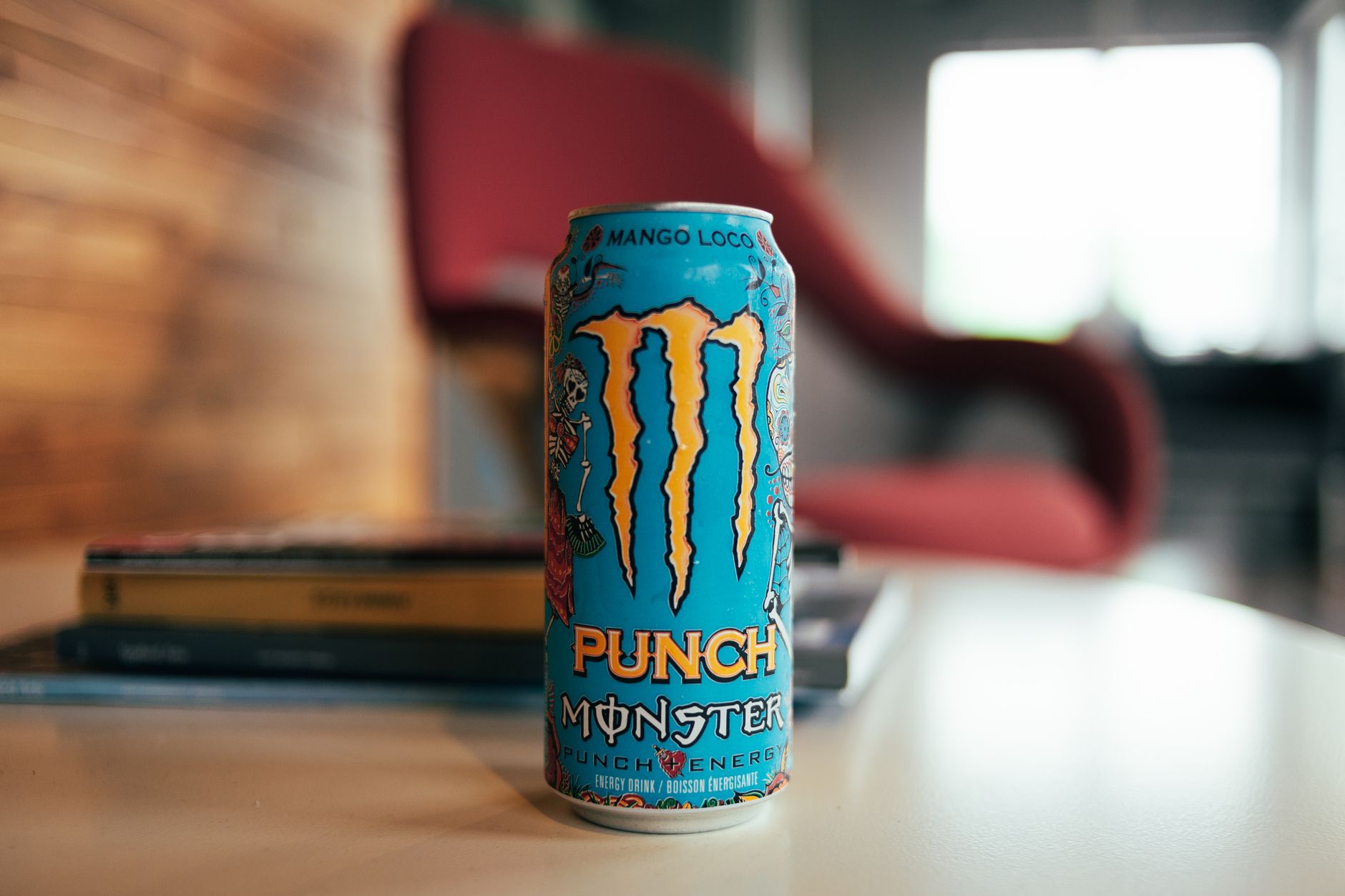
Energy drinks have become increasingly popular as a quick solution for fatigue and a means to boost energy levels throughout the day. But do they actually work? This article dives into the science behind energy drinks, their ingredients, potential benefits, drawbacks, and how to determine if they are a suitable choice for your lifestyle.
With a wealth of options on the market, understanding what energy drinks contain and how they affect your body can help you make informed decisions. We’ll explore the different components commonly found in these beverages, their effects, and natural alternatives if you’re seeking an energy boost without the side effects.
Do Energy Drinks Actually Work?
Yes, energy drinks can provide a temporary boost in energy and alertness, primarily due to caffeine and other stimulants found in these beverages. However, the effectiveness can vary depending on individual tolerance, dietary habits, and the specific formulation of the drink. Regular consumption may lead to dependence and possible negative health effects.
What Are Energy Drinks Made Of?
Understanding the ingredients in energy drinks is crucial to assessing their effects. Common components include:
- Caffeine: The main stimulant that enhances alertness and concentration.
- Sugars: Provide an instant energy source but can lead to a sugar crash.
- Amino acids: Such as taurine and L-carnitine, which may support energy metabolism.
- B vitamins: Help in energy production but are not energizing in themselves.
- Herbal extracts: Such as ginseng and guarana, promising additional energy effects.
- Carbonation: Adds a refreshing quality but may contribute to stomach discomfort in some individuals.
The Science Behind Energy Drinks
Caffeine, the principal ingredient in energy drinks, works by blocking adenosine receptors in the brain, reducing fatigue and improving focus. A typical energy drink contains anywhere from 80 to 300 milligrams of caffeine, which is significantly higher than the average cup of coffee.
The impact of caffeine can vary based on individual differences such as metabolic rate, habitual caffeine consumption, and sensitivity. For most adults, up to 400 milligrams of caffeine per day is considered safe and may enhance workout performance and cognitive function.
Effectiveness in Different Scenarios
Energy drinks can offer benefits in specific scenarios, such as:
- Physical Activity: Studies suggest caffeine may improve endurance and reduce perceived effort in athletes.
- Mental Tasks: Short-term cognitive tasks, such as studying or working on challenging projects, may benefit from the alertness caffeine provides.
- Shift Work: For individuals who work nights or irregular hours, energy drinks may help offset fatigue.
Potential Drawbacks of Energy Drinks
Even though energy drinks can provide temporary benefits, there are several concerns associated with regular consumption:
- Dependency: Over time, the body can develop a tolerance, leading to increased consumption and potential reliance on caffeine for energy.
- Health Risks: Excessive caffeine intake has been linked to increased heart rate, anxiety, sleep disturbances, and digestive issues.
- Sugar Content: Many energy drinks are high in sugar, contributing to weight gain and other health complications.
- Dehydration: Caffeine is a diuretic, which can lead to increased urination and dehydration, particularly during intense physical activity.
Navigating Energy Drink Labels
When selecting an energy drink, it’s essential to read the label carefully. Here are some key points to consider:
- Caffeine Content: Choose drinks with moderate caffeine levels to avoid excessive intake.
- Ingredients: Look for drinks with fewer artificial ingredients, colors, and sweeteners.
- Added Nutrients: While B vitamins are beneficial, they won’t provide extra energy unless consumed in excess of daily requirements.
- Packaging Claims: Be skeptical of marketing claims like “supercharged” or “instant energy boost.” Understand the real effects of the ingredients.
Natural Alternatives to Energy Drinks
If you prefer to avoid artificial stimulants, several natural alternatives can help boost energy levels effectively:
- Green Tea: Contains caffeine and L-theanine, promoting a calm energy boost without jitters.
- Maca Powder: A natural adaptogen that may support stamina and energy levels.
- Chia Seeds: Rich in Omega-3 fatty acids and fiber, they provide sustained energy and hydration, making them ideal for mixing into beverages.
- Protein Smoothies: Combining fruits, leafy greens, and protein powder can create a balanced energy-boosting drink.
- Water and Hydration: Often overlooked, staying hydrated can significantly impact energy levels.
When to Use Energy Drinks
Energy drinks may be beneficial in specific situations. Here’s a guideline to help determine when they might be appropriate:
- Before a Workout: Consuming an energy drink about 30 minutes before exercise may enhance performance.
- Long Drives or Travel: During long trips, they can help maintain alertness. Rotate use with water to prevent dehydration.
- Working Late Nights: In instances where you need to stay awake, time your intake to avoid disrupting sleep later.
How to Reduce Risks When Consuming Energy Drinks
If you choose to consume energy drinks, adhering to some best practices can help minimize risks:
- Limit Intake: Aim for no more than one energy drink per day, particularly if you are sensitive to caffeine.
- Avoid Mixing: Don’t mix energy drinks with alcohol, as this can mask the depressant effects of alcohol and lead to excessive consumption.
- Maintain Balance: Achieve energy through a combination of proper nutrition, hydration, and sufficient sleep.
- Monitor Your Body: Be aware of how your body reacts. If you experience headaches, heart palpitations, or anxiety, consider reducing or cutting energy drinks from your diet.
Common Misconceptions about Energy Drinks
Many myths surround energy drinks, so it’s essential to clarify some common misconceptions:
- Myth 1: Energy drinks provide long-lasting energy.
Reality: They offer short-term energy that can lead to a crash without proper management. - Myth 2: They are safe for everyone.
Reality: Certain individuals, such as those with heart conditions or pregnancy, should avoid high caffeine levels. - Myth 3: All energy drinks are the same.
Reality: Ingredients and effects differ significantly among brands and products.
Concluding Thoughts
In summary, energy drinks can indeed provide a temporary energy boost, largely due to their caffeine content. However, their benefits come with risks and potential health implications. If you find yourself reaching for energy drinks regularly, consider evaluating your lifestyle choices, such as sleep quality and hydration. For a sustainable energy boost, explore healthier alternatives like natural beverages and dietary adjustments.
For those intrigued by alternative energy solutions, consider recipes like chia pudding with coconut milk for a nutritious snack or try a protein coffee recipe to invigorate your mornings. Both options can offer energy without the side effects linked to energy drinks.