
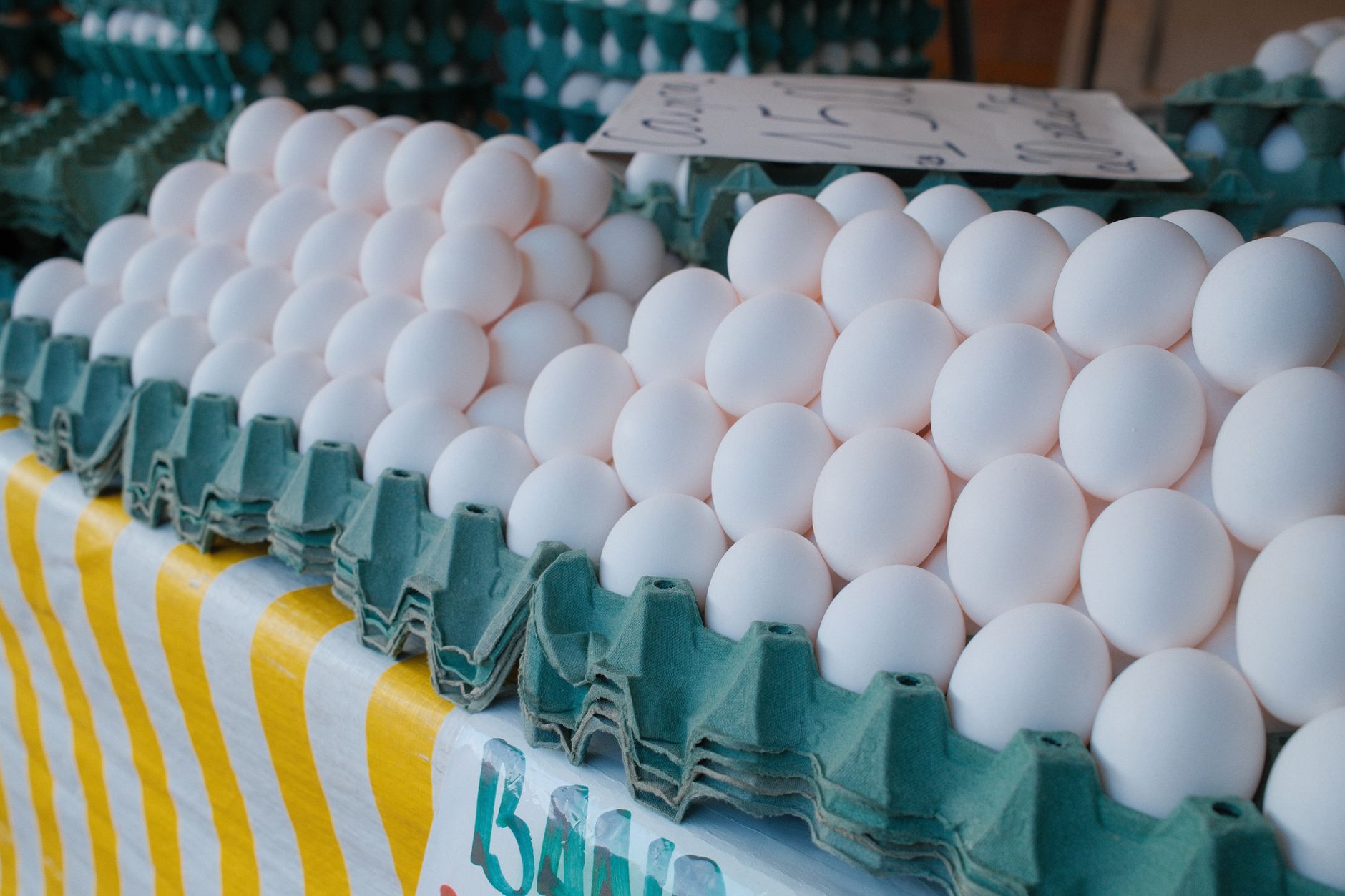
Eggs are a staple ingredient in many kitchens, prized for their versatility and nutritional benefits. However, the question of whether eggs need to be refrigerated has puzzled many home cooks and food enthusiasts alike. This article delves into the science behind egg storage, explores best practices for keeping eggs fresh, and discusses the differences in egg storage requirements around the world.
Understanding the nuances of egg refrigeration can help extend their shelf life, enhance food safety, and make your cooking experience smoother. Whether you’re wondering about the ideal storage conditions for your eggs or the implications for food safety, this guide covers everything you need to know.
Do Eggs Have To Be Refrigerated?
No, eggs do not have to be refrigerated, but the necessity of refrigeration depends on the country of origin, egg processing methods, and storage duration. In the United States, eggs are typically washed and may be coated with a protective layer, requiring refrigeration to maintain freshness and minimize bacterial contamination. In contrast, many countries in Europe and beyond store eggs at room temperature due to traditional practices that preserve the natural protective film on the eggshell.
The Science Behind Egg Refrigeration
Understanding why eggs require refrigeration involves delving into both the biology of the egg and the food safety practices that different cultures adopt. Here are some key factors that affect egg storage:
- Egg Structure: An eggshell is porous, allowing air and moisture to pass through. This can lead to spoilage if eggs are not stored properly.
- Protective Coating: Freshly laid eggs possess a natural protective coating called the “bloom” or cuticle. This layer helps keep bacteria out and moisture in, minimizing spoilage. Washing eggs removes this layer, which is why refrigerated eggs are more common in regions where eggs are washed.
- Temperature Fluctuation: Eggs should be kept at a consistent temperature. Fluctuations can cause condensation on the eggshell, allowing bacteria to enter.
Egg Storage Practices Around the World
Understanding how egg storage varies globally is crucial to recognizing why refrigeration might or might not be necessary. Here’s a look at practices in different regions:
United States
In the U.S., eggs are washed and sanitized before reaching store shelves. This process removes the protective bloom, making refrigeration necessary to mitigate bacterial growth, particularly Salmonella. Eggs should be stored in the refrigerator at a temperature of 40°F (4°C) or lower to maintain freshness and safety.
Europe and Many Parts of the World
In contrast, many European countries do not wash eggs and allow them to be sold without refrigeration. The natural bloom remains intact, providing a protective barrier that reduces contamination risks. In these regions, eggs can be stored safely at room temperature, provided they are kept away from sunlight and in a cool, dry place.
Asia and Other Regions
In countries like Japan, eggs are often pasteurized, which extends their shelf life without the need for refrigeration. The storage methods can vary, with some households keeping eggs at room temperature while others opt for refrigeration. The approach largely depends on local practices and temperature climates.
How to Store Eggs Properly
Whether you choose to refrigerate or keep eggs at room temperature, proper storage techniques can maximize their shelf life and freshness:
Refrigerated Storage
- Keep Eggs in Their Carton: Keeping eggs in their original carton helps prevent them from absorbing strong odors from other foods and keeps the eggs snug, reducing movement that could lead to cracks.
- Store in the Coldest Part of the Fridge: The back of the refrigerator is typically the coldest area, making it the best spot for storing eggs.
- Avoid Storing Near the Door: The temperature near the fridge door fluctuates more when opened, leading to instability in storage.
Room Temperature Storage
- Keep Away from Sunlight: Store eggs in a cool, dark place to prolong their freshness.
- Keep in Their Original Carton: Similar to refrigerated eggs, this helps minimize odor absorption and cracking.
- Use Fresh Eggs Quickly: Eggs kept at room temperature should ideally be used within two weeks to ensure they remain safe and high-quality.
How Long Do Eggs Last?
The shelf life of eggs varies based on their storage conditions:
Refrigerated Eggs
In general, eggs can last for about three to five weeks in the refrigerator. To check if an egg is still good:
- Perform the Float Test: Fill a bowl with water and place the egg in it. Fresh eggs will sink and lay flat on the bottom, while older eggs will stand upright or float. Floating eggs should be discarded.
- Check for Off Odors: A spoiled egg will often produce a foul smell when cracked open.
Room Temperature Eggs
Eggs stored at room temperature are best used within one to two weeks. Similar tests can be performed to check their freshness. If they seem off in any way, it’s advisable to err on the side of caution and discard them.
Cooking and Baking with Eggs
Regardless of how you choose to store eggs, they are a versatile ingredient in various culinary applications. Here are some popular uses:
Scrambled Eggs
For delicious scrambled eggs, whisk together eggs, salt, and pepper, cooking them on low heat until soft and fluffy. Adding milk or cream can enhance creaminess.
Baking
In baking, eggs serve multiple roles, such as providing moisture, richness, and structure. Make sure to use fresh eggs to achieve the best results in recipes like cakes, cookies, and quiches.
Frittatas and Omelets
These dishes are great for using up vegetables and leftovers. Simply whisk eggs and add your desired fillings before cooking on low heat until set.
Common Mistakes When Storing Eggs
Keeping eggs fresh and tasty is important, but several common mistakes can hinder your efforts:
- Washing Eggs: Avoid washing eggs before storage. If they are washed, refrigerate them immediately.
- Storing Loose Eggs: Ensure eggs are stored in their carton or an egg tray to protect them from damage.
- Ignoring Expiry Dates: Always check the sell-by or expiration dates on the carton, and perform freshness tests as needed.
Frequently Asked Questions About Egg Storage
Can I freeze eggs?
Yes, you can freeze eggs. However, avoid freezing them in their shells. Instead, crack the eggs into a bowl, beat them until combined, and pour into ice cube trays or freezer-safe containers. They can last up to a year in the freezer. Remember to label containers with the date.
Do I need to wash eggs before using them?
Generally, eggs do not need to be washed before use if they’re properly stored. Washing can remove the protective bloom and increase the risk of contamination.
How can I tell if an egg is bad without cracking it open?
As mentioned earlier, you can perform a float test. Fresh eggs will sink to the bottom, while stale ones will float. Additionally, you can check for a foul odor once cracked open, indicating that the egg is spoiled.
Conclusion
Eggs are a versatile and nutritious ingredient suitable for a wide range of dishes. Whether you choose to refrigerate your eggs or store them at room temperature depends largely on local guidelines and personal preferences. Understanding egg storage methods can aid in maximizing freshness while ensuring food safety. Proper practices help keep your eggs delicious, extending your ability to create wonderful meals and baked goods with ease.
To further enhance your culinary skills, consider exploring how long you can keep eggs in the refrigerator or learn about when eggs go bad. Each of these guides offers valuable insights that can help you make the best use of this essential ingredient for your cooking endeavors.