
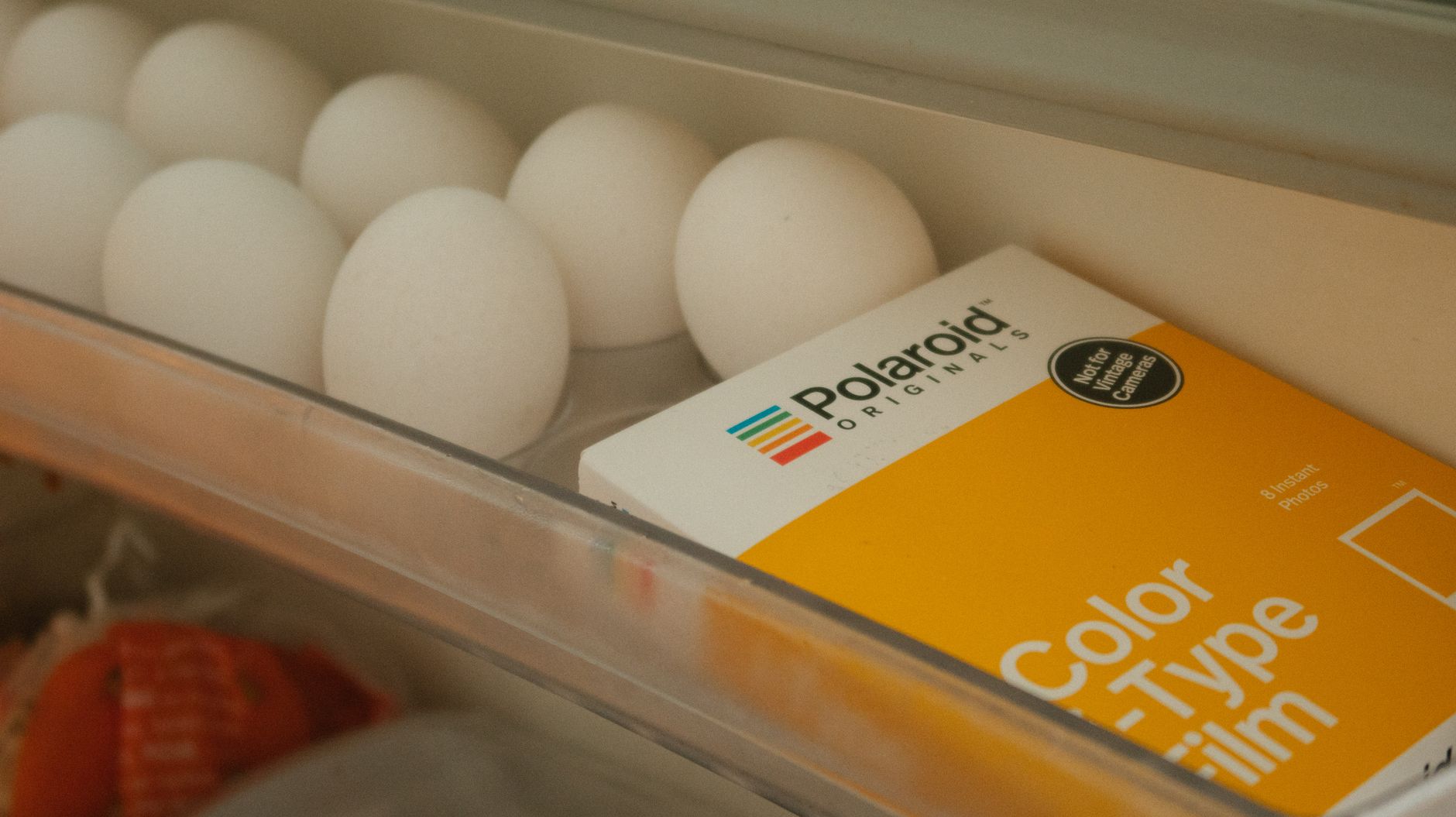
Eggs are a staple in many kitchens, prized for their versatility and nutritional value. However, many home cooks wonder: do eggs go bad in the refrigerator? Understanding how to store eggs properly and recognize signs of spoilage can help reduce waste and ensure your meals are safe and delicious.
This article will guide you through the best practices for egg storage, how to tell if your eggs have gone bad, and tips for using them safely to enhance your culinary experience.
Do Eggs Go Bad in the Refrigerator?
Yes, eggs can go bad even when stored in the refrigerator, but proper storage can extend their shelf life significantly. Typically, eggs can remain fresh for several weeks or even months when refrigerated. However, certain conditions may lead to spoilage, so it’s essential to know how to check your eggs for freshness.
How Long Do Eggs Last in the Refrigerator?
The shelf life of eggs can vary based on several factors, including their initial freshness at the time of purchase and storage conditions. Generally, eggs can last:
- Refrigerated (in their original carton): 3-5 weeks beyond the sell-by date.
- Room temperature (if not cooked): 2 hours.
- Hard-boiled eggs (in the refrigerator): 1 week.
For the best quality, it’s advisable to use eggs within 3 weeks of purchase. This time frame is often used as a standard guideline, but eggs can remain safe for a much longer period if stored correctly.
Best Practices for Storing Eggs
Proper storage can significantly extend the shelf life of your eggs. Follow these guidelines to keep your eggs fresh:
- Keep them in their original carton: The carton helps protect the eggs from absorbing odors and flavors from other foods.
- Store eggs in the coldest part of the refrigerator: The door tends to be warmer due to frequent opening and closing.
- Avoid washing the eggs: Washing can remove the protective coating that helps maintain freshness.
- Don’t store eggs near strong-smelling foods: Eggs can absorb odors, so keep them away from items like garlic or onions.
- Check the sell-by date: Always purchase eggs before the sell-by date and consume them within a reasonable time frame.
How to Tell if Eggs Have Gone Bad
Identifying spoiled eggs is crucial for food safety. Here are several effective methods to check their freshness:
The Float Test
This simple method can determine if eggs are fresh. Fill a bowl with water and gently place the egg inside:
- Fresh Egg: Sinks to the bottom and lays flat on its side.
- Still Good: Stands upright on the bottom.
- Bad Egg: Floats to the surface; discard immediately.
Smell Test
A rotten egg has a distinct and unpleasant odor, even when raw. If you crack open an egg and detect a sulfur-like smell, it’s best to discard it.
Visual Inspection
Examine the egg closely:
- Shell: Look for cracks or a slimy texture, which might indicate bacterial growth.
- Contents: Check the egg white and yolk. Fresh eggs have a firm white and a bright yellow yolk. Any discoloration, such as a greenish hue, or a watery consistency may indicate spoilage.
Cooking with Eggs: Safety Tips
Eggs are delicious and nutritious, but they can pose a risk of foodborne illness if not cooked or handled properly. Here’s how to ensure your meals are safe:
- Cook thoroughly: Eggs should be cooked to an internal temperature of 160°F (71°C) to kill harmful bacteria.
- Avoid raw or undercooked eggs: This includes dishes like homemade mayonnaise or Caesar salad dressing unless pasteurized eggs are used.
- Use clean utensils and surfaces: Always wash hands, pans, and working surfaces after handling raw eggs to prevent cross-contamination.
What to Do with Expired or Spoiled Eggs
If you have eggs that are past their prime but appear fine, consider utilizing them in cooking or baking, provided you do a thorough inspection first. However, if they show any signs of spoilage, it’s best to dispose of them properly:
- Don’t throw spoiled eggs in your compost as they can attract pests.
- Instead, wrap them in a paper towel and discard them in the trash.
Expired eggs can also be used for non-food purposes, such as fertilizer in your garden, thanks to their nutrient content.
Common Misconceptions About Eggs
Several myths about eggs can lead to confusion:
- Brown eggs are healthier than white eggs: Egg color is determined by the hen’s breed and does not affect nutritional quality.
- Eggs go bad immediately after the sell-by date: Eggs can still be safe to eat weeks after the sell-by date if stored correctly.
- Free-range eggs are always fresher than cage-raised: Freshness can vary; always check the packaging for specific dates.
Freezing Eggs for Longer Storage
If you have excess eggs and want to extend their shelf life, consider freezing them. Freezing eggs is a great way to minimize waste and ensure they’re available for future use.
How to Freeze Eggs
Follow these steps to freeze eggs safely:
- Crack the eggs into a bowl and beat them lightly. You may also separate yolks and whites based on your future use.
- Pour into ice cube trays or freezer-safe containers. Leave some space for expansion.
- Label the containers with the date; store in the freezer for up to a year.
- To use, thaw in the refrigerator before cooking.
Note that frozen eggs are best used in cooked recipes rather than for frying or boiling directly.
Using Egg Substitutes
For those avoiding eggs or with allergies, there are several effective substitutes:
- Flaxseed Meal: Mix 1 tablespoon of ground flaxseed with 3 tablespoons of water; let it sit for 5 minutes.
- Chia Seeds: Similar to flaxseed, combine 1 tablespoon chia seeds with 3 tablespoons water.
- Applesauce: 1/4 cup can replace one egg in baked goods.
- Mashed Banana: 1/4 cup of mashed banana works well in baked goods.
While these substitutes can mimic the binding properties of eggs, flavors and textures may vary, so adjust recipes as necessary.
Conclusion
Understanding how to store eggs properly and recognize signs of spoilage is essential for maintaining food safety and usability in your kitchen. By following the guidelines in this article, you can keep your eggs fresh longer and utilize them effectively. Regularly checking your eggs and freezing any extras ensures you can enjoy this nutritious ingredient without risk.
If you’re looking for more egg-related tips, check out our resources on how long you can keep eggs in the refrigerator and learn when eggs go bad.