
Cashews are a popular snack and ingredient known for their buttery flavor and crunchy texture. But have you ever wondered where they come from? Specifically, do cashews grow on trees? Understanding the origin and cultivation of cashews can enhance your appreciation of these tasty nuts and open the door to using them in various culinary applications.
In this article, we will explore how cashews grow, their uses, culinary benefits, and fun serving ideas that incorporate this delightful ingredient. We’ll also look at other facts associated with cashews to give you the full picture.
Do Cashews Grow On Trees?
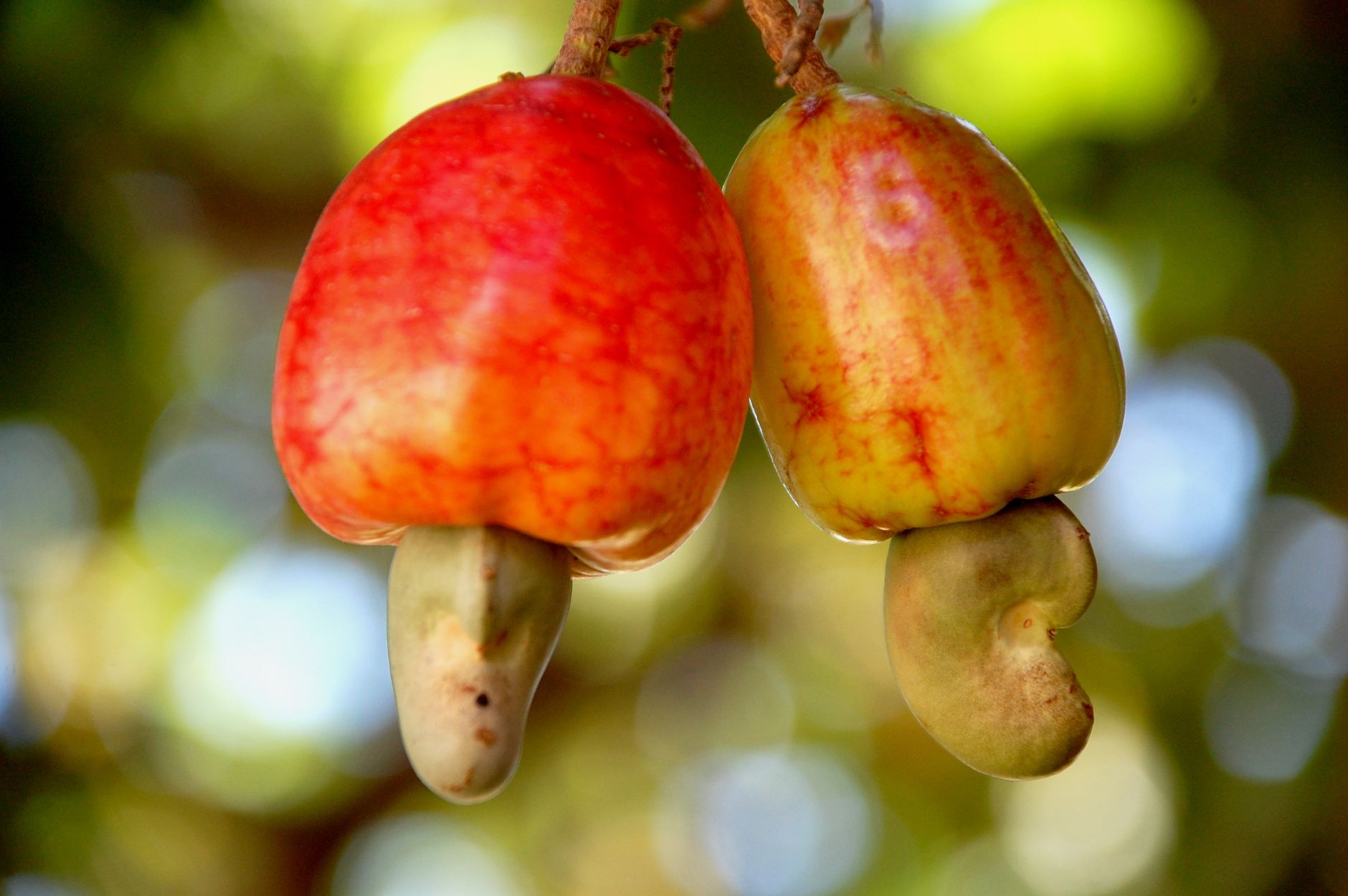
Yes, cashews grow on trees! The cashew tree (Anacardium occidentale) is a tropical evergreen that thrives in warm climates. The cashew tree produces two main products: the cashew nut and the cashew apple, which is the fleshy fruit. While the nut is well-known for its use in various recipes, the cashew apple is less familiar but also has culinary potential.
How Cashews Are Cultivated
Cashew trees typically grow to a height of 32 to 46 feet. They are native to Brazil but are now cultivated in tropical regions worldwide, including India, Vietnam, and some African countries. The process of growing cashews involves several stages:
- Planting: Cashew trees are usually grown from seeds or grafted seedlings. The planting process occurs in well-drained, sandy soil under direct sunlight.
- Growth: Cashew trees are slow-growing and take about 3 to 4 years before they start bearing fruit. They are drought-resistant and require little water once established.
- Harvesting: Cashews are harvested once the cashew apples turn red or yellow. The cashew nut is found attached to the bottom of the cashew apple, and both are collected during harvest.
- Processing: The cashew nut must be processed to remove the toxic shell before it can be eaten. This involves roasting the shells to make them easier to crack.
The Nutritional Profile of Cashews
Cashews are not only delicious but also packed with nutrients. They are a good source of protein, healthy fats, vitamins, and minerals:
- Protein: Cashews contain about 5 grams of protein per ounce, making them a suitable snack option for those looking to increase their protein intake.
- Healthy Fats: They are rich in monounsaturated fats, which can help improve heart health.
- Vitamins: Cashews are a significant source of vitamins E and K, essential for maintaining healthy skin and proper blood clotting.
- Minerals: High in minerals like magnesium, phosphorus, zinc, and copper, cashews contribute to bone health and metabolic function.
Culinary Uses of Cashews
Because of their unique flavor and texture, cashews can be utilized in a variety of dishes. Here are some popular culinary applications:
1. Snack on Cashews
Cashews are commonly enjoyed as a standalone snack. They can be roasted, salted, or seasoned with spices like cinnamon or chili powder for an added kick. They also make a great addition to trail mixes.
2. Cashew Cream
Cashews can be blended into a creamy consistency, making them a popular dairy alternative in vegan cooking. Soaking raw cashews in water for several hours, then blending with water and seasonings creates a delicious cashew cream that can substitute for sour cream, dressings, or even dairy in recipes like pasta dishes or soups.
3. Baking Ingredient
Finely ground cashew flour serves as an excellent gluten-free alternative in baking recipes. It can be used in cookies, breads, and more for added richness and nutrition.
4. Cashew Butter
Cashew butter resembles almond or peanut butter and can be spread on toast, used in smoothies, or incorporated into dessert recipes. It offers a milder flavor compared to other nut butters, making it versatile for both sweet and savory dishes.
5. Stir-Fries and Salads
Add a delightful crunch to your stir-fries and salads by tossing in roasted cashews. They enhance both the flavor and texture of the dish.
Serving Ideas for Cashews
Looking for some creative ways to incorporate cashews into your meals? Here are some serving suggestions:
1. Cashew Chicken Stir-Fry
Mix chicken, vegetables, and cashews in a wok or large frying pan. Flavor with soy sauce, ginger, and sesame oil for a quick and satisfying meal.
2. Cashew-Crusted Salmon
Coat salmon fillets in a mixture of crushed cashews and herbs before baking them. This adds a beautiful crunch and nutty flavor to the fish.
3. Vegan Cashew Alfredo
Blend soaked cashews with garlic, nutritional yeast, lemon juice, and a bit of the pasta cooking water for a creamy, comforting fettuccine Alfredo substitute without the dairy.
4. Cashew Yogurt Parfait
Layer homemade cashew yogurt with fresh fruits and granola for a healthy breakfast or dessert option.
5. Spicy Cashew Snacks
Toss raw cashews with olive oil, sea salt, and spices like cayenne or paprika. Bake them in the oven until golden for a spicy, crunchy snack.
Common Mistakes When Cooking with Cashews
As popular as cashews are, there are some common mistakes to avoid when cooking with them:
- Not soaking cashews properly: Soaking enhances the texture and flavor, especially for creamy applications.
- Over-roasting: If you’re toasting cashews, watch them closely to avoid burning, as they can turn quickly from golden to burnt.
- Ignoring storage: Store cashews in an airtight container in a cool, dark place to prevent them from going rancid due to their high fat content.
Storage and Shelf Life of Cashews
For optimal freshness, store raw cashews in an airtight container in a cool, dark place. When stored properly, raw cashews can last up to six months. Roasted cashews tend to have a shorter shelf life and are best consumed within three months for the best flavor. Refrigeration can extend shelf life, and freezing cashews is a viable option for long-term storage.
Health Considerations and Allergens
While cashews provide numerous health benefits, it is essential to keep in mind that they can also present allergic reactions for some individuals. Before serving cashews to others, consider any known allergies. Additionally, moderate consumption is advised, as cashews are calorie-dense.
Conclusion
Cashews are a versatile ingredient that grows on trees, providing not only delicious flavors and textures but also various nutritional benefits. From snacking to cooking, they have numerous culinary uses that can enhance your meals. Keep exploring creative ways to include cashews in your kitchen to take advantage of their unique qualities.
For more information on nuts and their uses, check out our guide on Is Cashew a Nut?.