
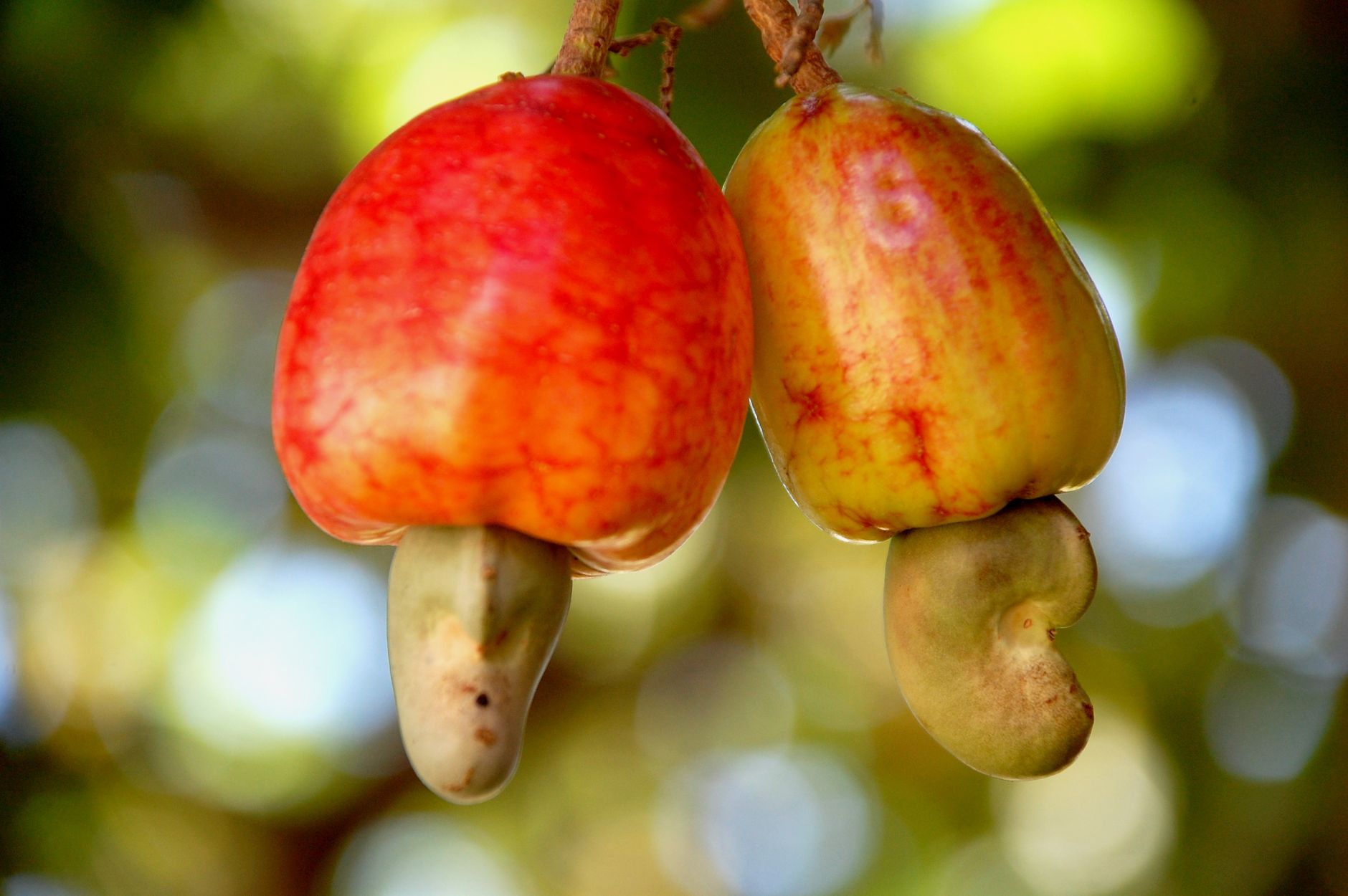
Cashews are a popular nut known for their creamy texture and slightly sweet flavor, often used in both savory and sweet dishes. However, if you’ve ever wondered whether these delicious nuts can expire, or how to store them properly, you’re not alone. Understanding the shelf life and spoilage signs of cashews can help you enjoy them at their best.
This article will delve into the shelf life of cashews, proper storage methods to extend their freshness, and signs that indicate when cashews have gone bad. You’ll learn how to ensure you get the most out of this versatile pantry staple.
Do Cashews Expire?
Yes, cashews can expire, but not in the way that many perishable items do. They have a long shelf life, usually ranging from several months to a few years, depending on how they are stored. However, they can become stale or develop off-flavors over time, which is often mistaken for spoilage.
Understanding Cashew Shelf Life
The shelf life of cashews largely depends on whether they are raw or roasted, how they are packaged, and your storage methods. Here’s a breakdown:
- Raw Cashews: Typically last for about 6 to 12 months when stored properly.
- Roasted Cashews: Usually maintain their quality for about 3 to 6 months.
- Salted Cashews: Have a shorter shelf life, around 3 months due to the salt which can attract moisture.
- Mixed Nuts: Can vary depending on other ingredients, but generally follow the same timeline as roasted cashews.
Always check the packaging for a “best by” date, which provides an estimate of how long the cashews will stay at peak quality.
Factors Affecting Shelf Life
Several factors influence how long cashews last:
1. Type of Cashew
Raw, roasted, salted, and flavored varieties all have different shelf lives due to their processing and ingredients.
2. Storage Conditions
Exposure to air, heat, and moisture can accelerate spoilage. Keeping cashews away from direct sunlight and in a cool, dry environment is best.
3. Packaging
Once the original package is opened, the oxidative process speeds up. Vacuum-sealed bags help to maintain freshness longer than regular bags.
How to Store Cashews
Storing cashews properly is essential for maintaining their quality and extending their shelf life. Here are some effective storage strategies:
1. Room Temperature Storage
If you plan to consume them within a few weeks, you can store cashews at room temperature. Use an airtight container, like:
- Glass jars with a tight seal
- Plastic containers with airtight lids
- Resealable bags with the air pressed out
Keep them in a dark cupboard away from heat sources, such as the stove or oven.
2. Refrigeration
For medium-term storage (1-3 months), consider refrigerating cashews. This is especially useful in hot and humid climates. Use a container that is airtight to prevent moisture absorption and odor contamination.
3. Freezing
If you want to store cashews for more than six months, freezing is the best option. Here’s how to do it:
- Place cashews in a vacuum-sealed bag or an airtight container suitable for freezing.
- Label the container with the date for reference.
- Store them in the freezer for up to a year.
To use frozen cashews, simply take out the desired amount and allow them to thaw at room temperature.
Signs That Cashews Have Gone Bad
1. Off Odor
Fresh cashews have a mild, nutty scent. If they smell rancid, musty, or have an off-putting odor, it’s best to discard them.
2. Texture Changes
Cashews should be firm and crunchy. If they have become soft, chewy, or grainy, they may be stale or spoiled.
3. Flavor Profile
When fresh, cashews have a creamy flavor with a touch of sweetness. If they taste bitter, rancid, or “off,” they should be thrown away.
4. Visual Signs
Look for any discoloration, mold, or unusual spots. Darkened or dusty surfaces can indicate that cashews are past their prime.
Usage Tips for Stale Cashews
If your cashews have become stale but show no signs of spoilage, consider using them creatively:
- Cashew Butter: Blend stale cashews into a creamy nut butter, adding a bit of oil to help achieve the right texture.
- Casseroles: Use in dishes where texture is not paramount, like casseroles or soups.
- Cashew Flour: Grind stale cashews into flour for gluten-free baking.
Common Uses for Cashews in Cooking
Cashews are a versatile ingredient that can be used in various dishes. Here are some popular uses:
1. Raw in Salads and Snacks
Add raw cashews to salads for a crunchy texture, or enjoy them as a healthy snack on their own.
2. Roasted for Flavor
Roast them with spices for a flavorful snack or salad topper.
3. Cashew Cream
Soak raw cashews and blend them to create a creamy vegan alternative for sauces and soups.
4. Cashew Milk
Blend soaked cashews with water to make homemade cashew milk, a dairy-free substitute for smoothies and coffee.
Substitutions and Alternatives
If you find yourself out of cashews, there are several nuts and seeds that can serve as alternatives depending on the recipe:
| Substitute | Flavor Profile | Best Used In |
|---|---|---|
| Almonds | Nutty, slightly sweet | Baking, snacking |
| Pecans | Rich, sweet | Salads, desserts |
| Sunflower Seeds | Nutty, mild | Salads, granola |
| Pistachios | Rich, slightly sweet | Snacking, desserts |
Each substitute has a unique flavor and texture. Adjust your approach based on what will complement your dish best.
Conclusion
Cashews are a nutritious and delicious addition to many meals, but like all nuts, they do have a shelf life. By understanding how to properly store them, how to recognize spoilage, and how to creatively use stale cashews, you can ensure you get the best flavor and texture from them.
For more on storing food products, check out this guide on Chia Seed Storage and learn about the classification of cashews in this interesting article on Cashew Classification.