
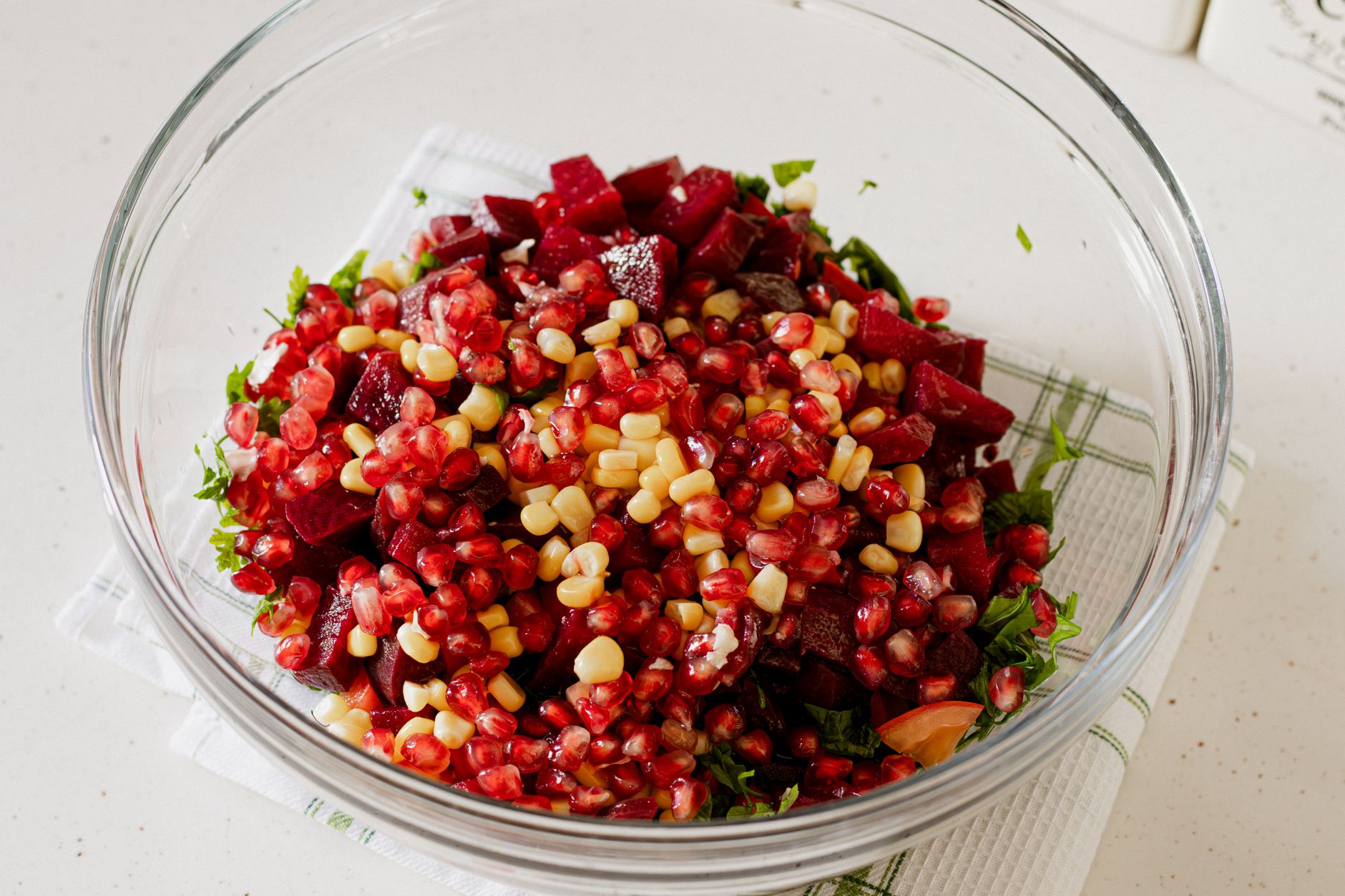
Beets, those vibrant, earthy root vegetables, have long been associated with various health benefits, particularly for cardiovascular health. Many people wonder if incorporating beets into their diet can lead to immediate reductions in blood pressure. This article will explore the relationship between beets and blood pressure, dietary considerations, and how to effectively integrate this nutritious vegetable into your meals.
Understanding how beets impact blood pressure can empower you to make informed dietary choices. We will discuss the key nutrients found in beets, how they work within the body, effective cooking methods, portion sizes, and some delicious recipes to help you get the most out of this remarkable vegetable.
Do Beets Lower Blood Pressure Immediately?
Yes, beets can help lower blood pressure immediately, primarily due to their high levels of nitrates. Nitrates are converted in the body into nitric oxide, a compound that relaxes and dilates blood vessels, leading to a decrease in blood pressure. While the effects may vary from person to person, some studies suggest that consuming beet juice or beets may result in lowered blood pressure within a few hours.
The Science Behind Beets and Blood Pressure
The connection between beets and lower blood pressure stems largely from their rich nitrate content. When beets are consumed, the nitrates are converted into nitrites by bacteria in the mouth and then further into nitric oxide in the stomach. This nitric oxide helps relax the blood vessels, improving blood flow and lowering blood pressure.
Research indicates that both whole beets and beet juice can have significant effects on blood pressure levels. For instance, a study published in the journal Hypertension found that drinking beet juice led to significant reductions in systolic blood pressure over a few hours. Regular consumption may contribute to more sustained benefits, particularly when incorporated as part of a balanced diet.
Key Nutrients Found in Beets
Beets are not only high in nitrates but also rich in several other nutrients that contribute to overall health. Here are some key nutrients found in beets:
- Folate: Essential for blood cell formation and healthy cell function.
- Potassium: Helps maintain proper blood pressure levels and regulates bodily fluid balance.
- Vitamin C: An antioxidant that supports the immune system and protects against cellular damage.
- Iron: Vital for transporting oxygen in the blood.
- Fiber: Aids in digestion and can help in regulating blood sugar levels.
How to Incorporate Beets into Your Diet
To reap the blood pressure-lowering benefits of beets, it’s essential to consider how you include them in your meals. Here are some effective methods for incorporating this nutrient powerhouse into your diet:
Raw Beets
Raw beets can be shredded, julienned, or sliced and added to salads for a crunchy texture and earthy flavor. Here’s a simple beet salad:
- 2 medium raw beets, peeled and grated
- 1 cup arugula or spinach
- 1/4 cup crumbled feta cheese
- 2 tablespoons balsamic vinegar
- Salt and pepper to taste
Combine all ingredients and serve immediately for a fresh, healthy dish.
Roasted Beets
Roasting brings out the natural sweetness in beets. To prepare:
- Preheat your oven to 400°F (200°C).
- Wrap whole beets in aluminum foil and place on a baking sheet.
- Roast for about 45-60 minutes, or until a fork easily pierces the beets.
- Allow to cool, then peel and slice to your desired thickness.
Roasted beets can be added to salads, grain bowls, or enjoyed as a side dish.
Beet Juice
Drinking beet juice is one of the quickest ways to experience the blood-pressure-lowering benefits. You can make your own fresh beet juice by following these steps:
- Wash and peel 2-3 beets, cutting them into chunks.
- Add the beet chunks to a juicer along with 1 apple for sweetness and a squeeze of lemon.
- Juice until smooth, and enjoy immediately for maximum nutrient benefit.
Pickled Beets
Pickling beets is a great way to preserve their nutrients while adding tangy flavor. For quick pickled beets:
- Slice cooked beets into rounds.
- In a pot, combine 1 cup of vinegar (white or apple cider), 1 cup of water, 1/2 cup of sugar, and spices (such as cloves and peppercorns).
- Bring to a boil, then pour over the sliced beets.
- Let cool and refrigerate for at least 24 hours before serving.
Portion Size Considerations
When adding beets to your diet for blood pressure management, consider portion sizes. A typical serving is about 1 cup of cooked or diced beets. However, if you’re drinking beet juice, a serving size can be around 4-8 ounces. Consuming beets several times a week can help maintain their benefits on blood pressure. Always monitor how your body reacts, especially if you take medications.
Potential Substitutions and Variations
If you want to enjoy the benefits of nitrates but are unable to find fresh beets or prefer variety, here are some alternatives:
- Spinach: Contains a good amount of nitrates, making it a great substitute when preparing salads.
- Arugula: Offers a spicy flavor and is also high in nitrates.
- Swiss chard: Another green leafy vegetable that can be cooked or eaten raw, adding a similar healthful benefit.
- Radishes: These can provide a different texture and flavor while still being beneficial for blood pressure.
Common Mistakes and Troubleshooting
When incorporating beets into your diet, some common pitfalls can diminish their health benefits. Here are a few mistakes to avoid:
- Not washing thoroughly: Beets can be dirty; ensure you wash them well to avoid consuming soil residues.
- Overcooking: While cooking beets enhances their sweetness, overcooking can lead to a loss of nutrients. Aim for tender yet firm beets.
- Ignoring flavor pairings: Beets pair well with sweet, tangy, and salty flavors. Combining them with ingredients like citrus, nuts, or cheese elevates their taste.
Storage and Reheating Tips
Properly storing beets can prolong their freshness and nutrient content. Here are storage tips for both raw and cooked beets:
- Raw Beets: Store in the refrigerator in a perforated bag. They can last up to two weeks.
- Cooked Beets: Store in an airtight container in the fridge, where they can be kept for up to one week.
- Freezing: Beets can also be frozen. Cook until tender, cool, and then freeze in an airtight container for up to six months.
Conclusion
Incorporating beets into your diet can indeed support immediate blood pressure reduction through their natural nitrates. Understanding how to prepare, serve, and store beets can enhance your culinary experience while benefiting your overall health. By being mindful of portion sizes and offering variety in preparation methods, you can enjoy the health benefits of this vibrant vegetable.
To further explore how to enjoy beets, you might be interested in trying out our Harvard Beets Recipe for a delightful side dish or looking into this nutritious Chia Pudding with Coconut Milk that you can pair with them.