
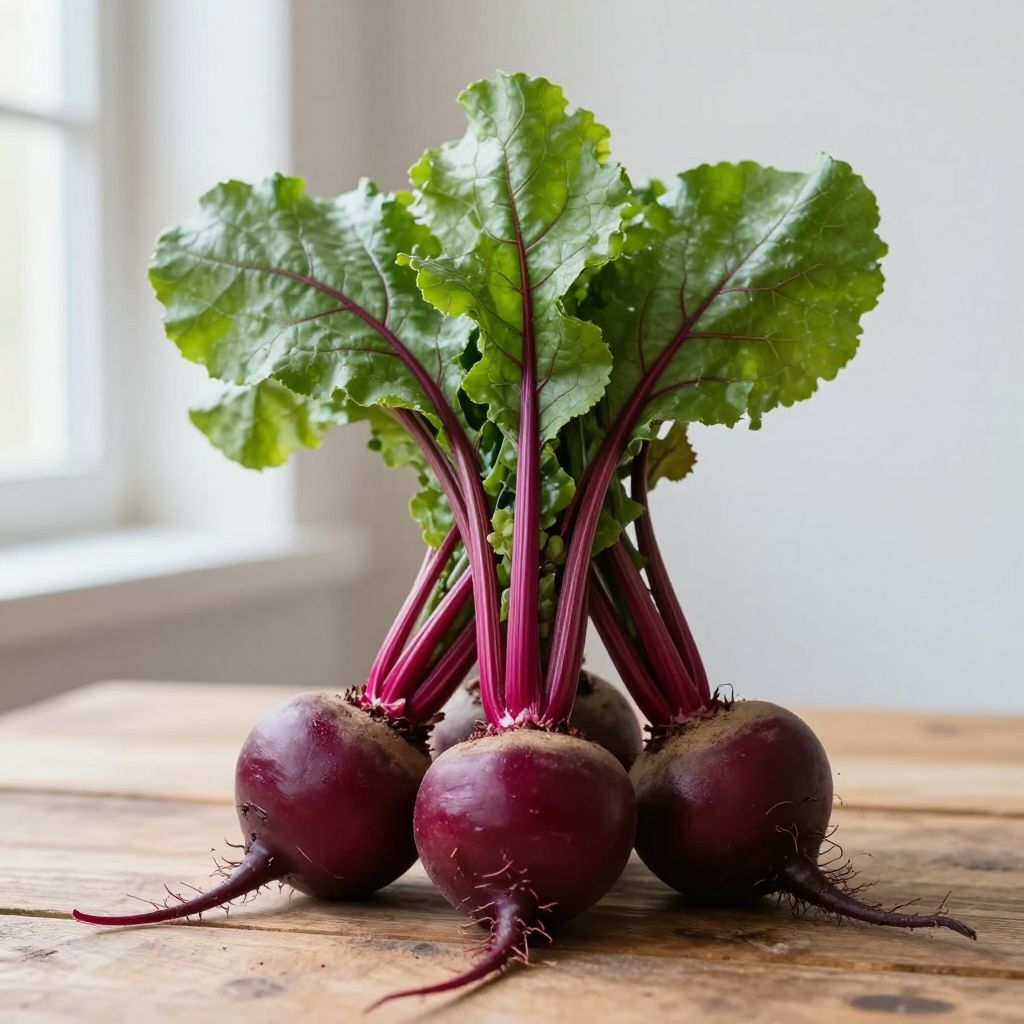
Beets are often celebrated for their vibrant color and sweet, earthy flavor. But what about their nutritional benefits, specifically their iron content? This article dives deep into whether beets contain iron, the role of iron in our diet, and how to incorporate this versatile vegetable into your meals.
From juicy beet salads to roasted beet sides, beets can elevate your dishes while delivering an array of nutrients. Knowing their nutritional profile helps in meal planning, especially for those needing to increase their iron intake.
Do Beets Contain Iron?
Yes, beets do contain iron, albeit in moderate amounts. A 100-gram serving of raw beetroot provides about 0.35 mg of iron, which is roughly 2% of the daily recommended intake for adults. This may not seem significant, but when included as part of a varied diet, beets can contribute to your overall iron intake.
Iron is essential for creating hemoglobin, which carries oxygen in the blood. Adequate iron levels help prevent anemia and support energy levels. It’s particularly important for pregnant women, growing children, and individuals with certain health conditions.
Nutritional Profile of Beets
In addition to iron, beets boast a range of vitamins and minerals. Here’s a look at the overall nutrition profile of a 100-gram serving of raw beetroot:
- Calories: 43
- Protein: 1.6 g
- Fat: 0.2 g
- Carbohydrates: 9.6 g
- Fiber: 2.8 g
- Sugars: 6.8 g
- Vitamin C: 4 mg (7% DV)
- Folate: 109 mcg (27% DV)
- Magnesium: 23 mg (6% DV)
- Potassium: 305 mg (9% DV)
This nutritional profile indicates that beets are not only a source of iron but also rich in folate and potassium, both of which contribute to overall health.
How to Include Beets in Your Diet
Integrating beets into your meals can be delicious and easy. Here are some creative ways to enjoy beets:
Salads
Beet salads are simple to prepare and can be enhanced with various toppings.
- Shredded raw beets mixed with carrots and apples provide a refreshing crunch.
- Roasted beets with feta cheese, walnuts, and arugula make a classic pairing.
- Add beets to a quinoa salad with herbs for a hearty meal.
Soups
Beet soup, or borscht, is a traditional dish in many cultures. Here’s how to make it:
- Peel and chop beets, carrots, and potatoes.
- Cook them in vegetable broth along with garlic and onion until tender.
- Puree the soup until smooth or leave it chunky, adding lemon juice for balance.
Roasted beets
Roasting beets brings out their natural sweetness. Follow these steps for perfect roasted beets:
- Preheat the oven to 400°F (200°C).
- Wash the beets thoroughly to remove any dirt.
- Wrap each beet in aluminum foil with a drizzle of olive oil and salt.
- Roast for 45-60 minutes or until a fork easily pierces through.
- Let them cool and peel off the skin before serving.
Smoothies
Add cooked or raw beets to your morning smoothie for an extra nutrient boost. Pair with ingredients like:
- Banana
- Greek yogurt
- Spinach
- Almond milk
Iron Absorption and Complementary Foods
To maximize iron absorption from beets and other plant foods, consider pairing them with vitamin C-rich ingredients. This enhances the body’s ability to absorb non-heme iron (the type found in plant sources). Good options include:
- Citrus fruits (oranges, lemons)
- Bell peppers
- Tomatoes
- Broccoli
For example, a salad made with beets, spinach, avocado, and a squeeze of lemon juice not only tastes delicious but also boosts iron absorption.
Potential Drawbacks of Beet Consumption
While beets are nutritious, there are a few considerations to keep in mind:
- Oxalates: Beets contain oxalates, which can inhibit calcium absorption and contribute to kidney stones in susceptible individuals.
- Beeturia: Some people may experience pink or red urine after consuming beets, a harmless condition called beeturia. This can be alarming but is not a health concern.
- High Sugar Content: Beets are relatively high in natural sugars, which some individuals may wish to monitor, especially those with certain health conditions.
Practical Tips When Using Beets
Here are some practical tips to keep in mind when purchasing and preparing beets:
Selecting Beets
- Choose firm beets with smooth skins. Smaller beets are usually sweeter and more tender.
- Avoid beets with blemishes or soft spots.
Preparing Beets
- Wearing gloves while peeling and cutting beets can prevent staining your hands.
- To retain nutrients, consider steaming or roasting instead of boiling.
Storing Beets
Beets can be stored in the refrigerator for up to two weeks. When stored, keep them unwashed to maintain freshness. If cooked, store them in an airtight container in the fridge for up to five days.
Substitutions and Variations
If you’re looking to switch things up, here are some substitutions or variations that work well with beets:
- Try using roasted sweet potatoes or carrots in place of beets for a different flavor and texture in salads.
- Beet powder can be used in smoothies for a concentrated beet flavor without needing to cook the vegetable.
- If you want a different color, consider cooked or roasted purple carrots or golden beets, which provide a slightly different flavor profile.
Common Mistakes When Cooking Beets
Sometimes cooking beets can lead to mistakes. Here are some common pitfalls and how to avoid them:
- Overcooking: Beets can become mushy if overcooked; check for doneness early while boiling or roasting.
- Not seasoning: Beets have a natural sweetness, but they benefit from added seasoning such as salt, pepper, and herbs.
Health Conditions and Beet Consumption
For those considering increasing their beet intake, it’s good to review any health conditions or dietary restrictions:
- Diabetes: While beets are naturally sweet, their glycemic index is relatively low, making them suitable in moderation.
- Kidney stones: If you are prone to oxalate kidney stones, you might want to limit your intake of beets.
Conclusion
Beets are a vibrant and nutritious choice that can help supplement your iron intake. While they only provide a small amount of iron, their other nutritional benefits and versatility in cooking make them a valuable addition to a balanced diet. Make sure to combine them with vitamin C sources for improved iron absorption, and enjoy exploring various ways to incorporate this delightful vegetable into your meals.
For more information on foods high in iron or to try a delicious Harvard beets recipe, check out these resources: explore what has iron and discover the Harvard beets recipe.