
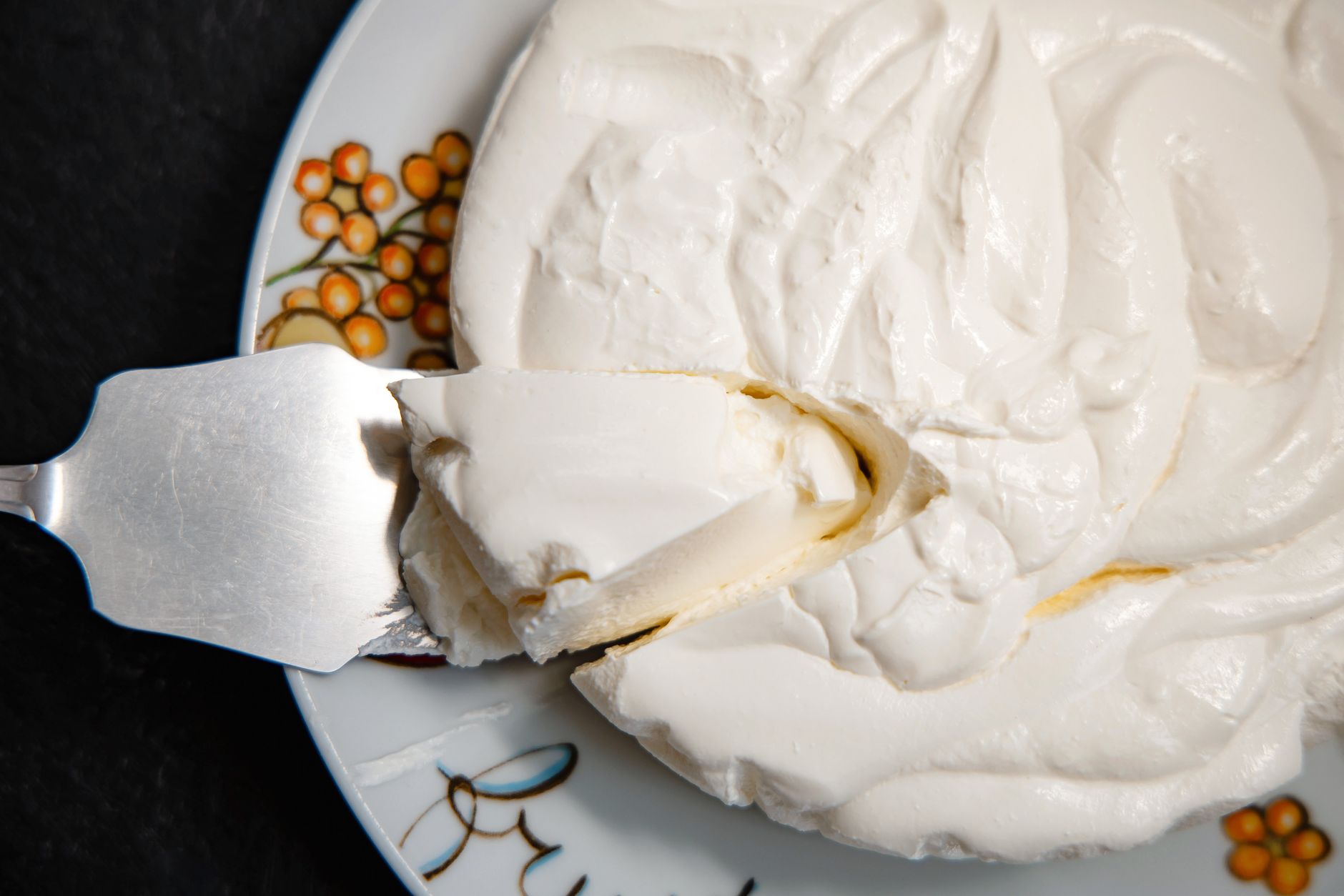
The dessert known as “mali” is a delightful treat named after the West African country of Mali. Mali is renowned for its rich culinary heritage, and its namesake dessert embodies the flavors and ingredients that are emblematic of the region. This guide will explore the history, preparation, and variations of mali, giving you the knowledge to create this delicious African dessert at home.
Mali is traditionally made with simple ingredients such as cornmeal or millet and is often sweetened with sugar or honey. The dessert reflects the agricultural practices of Mali, where crops like millet play a vital role in both sustenance and cultural traditions. In this article, we will delve into the origins of mali, its preparation techniques, ingredient selection, common variations, and much more.
Dessert for Which an African Country Is Named?
The dessert named after an African country is mali, enjoyed for its unique flavor and cultural significance in Mali. It combines the essence of local ingredients and traditions, making it a beloved dish that reflects both the country’s heritage and the culinary skills of its people.
Brief History of Mali and Its Dessert
Mali’s history is rich and diverse, marked by the rise of powerful empires such as the Mali Empire during the 13th century. The empire was an influential center for trade, culture, and education in West Africa. As a result, culinary practices and recipes have been shaped by many cultures and traditions that have come together in Mali.
The dessert mali has its roots in traditional West African cooking. It is made with staple ingredients such as millet or cornmeal, which have long been a part of the diet in the region due to their availability and versatility. This dessert not only serves as a sweet treat but also as a representation of the resourceful use of local crops and agricultural practices.
Ingredients for Mali
To make mali, you will need a few basic ingredients. Below is the standard ingredient list and their roles in the recipe:
- Millet or Cornmeal: The base ingredient that gives the dessert its structure and core flavor.
- Water or Milk: Used to hydrate the flour and help form the mixture into a batter or dough.
- Sugar or Honey: To sweeten the dessert, balancing the earthy flavors of the grain.
- Salt: Enhances the overall flavor of the dish and balances sweetness.
- Baking Powder (optional): Can be added for a lighter texture, though not always traditional.
- Flavoring (optional): Ingredients like vanilla or cinnamon can be added for additional flavor complexity.
Essential Equipment
Before starting your mali dessert, ensure you have the following equipment:
- Large Mixing Bowl: For combining ingredients.
- Whisk or Spoon: For mixing the batter.
- Measuring Cups and Spoons: For accurate measurements of all ingredients.
- Baking Dish or Steamer: Depending on the cooking method chosen.
- Oven or Steamer: For baking or steaming the mali dessert.
- Cooling Rack: To cool the mali before serving.
How to Make Mali
Making mali is a straightforward process that allows you to enjoy the flavors of Mali right in your own kitchen. Here is a step-by-step guide:
- Prepare the Ingredients: Measure out the required amounts of millet or cornmeal, sugar, salt, and any additional flavoring you wish to use.
- Mix Dry Ingredients: In a large mixing bowl, whisk together the millet or cornmeal, sugar, salt, and baking powder (if using).
- Add Wet Ingredients: Pour in the water or milk gradually while stirring the mixture to form a smooth batter. Ensure there are no lumps.
- Transfer to Baking Dish: Grease a baking dish or prepare a steamer. Pour the batter into the dish, smoothing the top with a spatula.
- Bake or Steam: If baking, preheat the oven to 350°F (175°C) and bake for approximately 30-40 minutes, or until the top is golden brown and a toothpick inserted into the center comes out clean. If steaming, cover and steam for 25-35 minutes.
- Cool and Serve: Remove the mali from the oven or steamer and allow it to cool on a rack. Slice into pieces and serve warm or at room temperature.
Common Variations of Mali
Mali can be adapted to suit different tastes and preferences. Here are some popular variations to try:
- Mali with Nuts: Add chopped nuts, such as almonds or walnuts, to the batter for added texture and flavor.
- Fruity Mali: Incorporate fruits like bananas or raisins into the mixture for a natural sweetness and fruity undertone.
- Spiced Mali: Include spices like nutmeg or clove to give the dessert a warm, aromatic quality.
- Savory Mali: For a twist, omit sugar and add herbs or spices for a savory version that can be served as a snack.
Common Mistakes and Troubleshooting
When preparing mali, here are some common mistakes to watch out for, along with their solutions:
- Lumpy Batter: Ensure that when adding wet ingredients, you mix thoroughly to avoid lumps. Use a whisk for best results.
- Overbaking: Keep an eye on the baking time. Ovens vary in heat, so start checking for doneness 5-10 minutes early.
- Underbaking: If the middle remains wet, return it to the oven for additional time, testing frequently.
- Too Dry: To avoid dry mali, correct moisture levels by adding more water or milk gradually until the batter achieves a smooth consistency.
Serving Suggestions
Mali can be enjoyed in various ways, depending on your preference and the occasion. Here are some serving suggestions:
- Warm with Honey: Serve warm, drizzled with honey for extra sweetness.
- With Fresh Fruits: Pair with seasonal fruits for a refreshing contrast.
- Dessert with Cream: Top with whipped cream or yogurt for a creamy texture.
- Accompanied by Tea or Coffee: Mali can be a delightful accompaniment to a hot beverage.
Storage and Reheating Guidance
If you have leftover mali, proper storage is essential to maintain its freshness:
- Refrigeration: Store in an airtight container in the refrigerator for up to 3 days. Make sure it’s cooled completely before sealing.
- Freezing: For longer storage, cut the mali into portions and freeze in a freezer-safe container. It can last 1-2 months in the freezer.
- Reheating: When reheating, place slices in a microwave for quick warming or in the oven at low heat until warmed through.
Conclusion
Mali is more than just a dessert; it is a representation of the cultural heritage and agricultural practices of Mali. Making your own mali allows you to connect with the rich traditions of West Africa while enjoying a delicious treat. Whether you choose to stick to the classic recipe or explore various adaptations, mali is sure to bring a taste of Mali into your kitchen.
For those interested in expanding their culinary repertoire, consider exploring other dessert ideas such as a delectable date cake or a unique churro cheesecake that can complement your newfound love for Mali. Happy cooking!