
Imagine biting into a slice of cake so addictively delicious that you find yourself sneaking back to the kitchen for one more piece within the hour. Crack cake earns its name honestly: it’s that irresistible layer cake with a gooey, caramel-like filling that keeps people coming back for more.
This recipe delivers soft, buttery cake layers paired with a sweet, almost fudgy middle that tastes like pure indulgence. What makes it special is the balance of simplicity and wow-factor—you don’t need fancy techniques or hard-to-find ingredients, yet the result feels bakery-worthy.
The magic happens when sweetened condensed milk, butter, and brown sugar come together, creating that signature gooey center. Whether you’re baking for a celebration or just want to understand why this cake has such a devoted following, this guide will walk you through every step.
Why You’ll Love This Recipe
Crack cake delivers serious flavor and texture without requiring advanced baking skills or excessive prep work.
- The gooey, caramel-like filling makes every bite feel indulgent and special
- Simple ingredient list uses pantry staples you probably already have on hand
- Moist, tender cake layers stay soft for days when stored properly
- Works perfectly for potlucks, family dinners, and casual gatherings
- Surprisingly forgiving recipe that tolerates minor variations in technique
My Experience Making This Recipe
I first made crack cake on a whim after a friend’s vague description left me curious about what made it so addictive. The moment I poured that sweetened condensed milk mixture between the layers, I understood the appeal completely.
The cake emerged from the oven with a perfect golden color, and the filling had set just enough to hold everything together while staying gloriously soft and chewy. My family demolished half the cake within two hours, and I caught my husband sneaking bites straight from the kitchen counter.
What impressed me most was how forgiving the recipe turned out to be—slight timing variations didn’t ruin anything, and the texture remained perfect even after a few days in the fridge. This became my go-to cake for any casual occasion when I wanted to impress without spending all day in the kitchen.
Recipe Overview
- Recipe Name: Crack Cake
- Servings: 12 servings
- Prep Time: 20 minutes
- Cook Time: 30 minutes
- Total Time: 50 minutes (plus cooling)
- Course: Dessert
- Cuisine: American
- Calories per Serving: 385
Equipment You Will Need
- Two 9-inch round cake pans
- Parchment paper or non-stick cooking spray
- Electric mixer or mixing bowl with whisk
- Medium saucepan
- Wooden spoon or silicone spatula
- Measuring cups and spoons
- Cake tester or toothpick
- Wire cooling racks
- Offset spatula (optional but helpful)
Ingredients for Crack Cake
For the Cake Layers
- All-purpose flour, 2 1/4 cups
- Baking powder, 2 1/2 teaspoons
- Salt, 1/2 teaspoon
- Butter, 1/2 cup (softened)
- Granulated sugar, 1 1/2 cups
- Large eggs, 3
- Vanilla extract, 1 1/2 teaspoons
- Whole milk, 1 cup
For the Gooey Filling
- Sweetened condensed milk, 1 can (14 ounces)
- Butter, 6 tablespoons
- Brown sugar, 3/4 cup (packed)
- Vanilla extract, 1 teaspoon
Ingredient Notes and Substitutions
- Sweetened condensed milk: This is the star ingredient that creates the signature gooey texture. There’s no true substitute that delivers the same result, but you could use evaporated milk mixed with extra sugar if you’re in a pinch, though the texture will be thinner.
- Brown sugar: Brown sugar adds moisture and a deeper flavor than white sugar would in the filling. If you only have granulated sugar, use the same amount and add 1 tablespoon of molasses to approximate brown sugar.
- Butter: Unsalted butter works best so you can control the salt level in the recipe. If you only have salted butter, simply reduce the salt in the dry ingredients by 1/4 teaspoon.
- All-purpose flour: This provides structure without being too dense for the cake. Cake flour will make an even more tender crumb, but use 2 1/2 cups since it’s lighter than all-purpose flour.
- Vanilla extract: Pure vanilla creates a warm, rounded flavor. Imitation vanilla works fine, though the flavor will be slightly less complex.
How to Make Crack Cake
Step 1: Preheat and Prepare Your Pans
Preheat your oven to 350 degrees Fahrenheit and position a rack in the middle. Prepare two 9-inch round cake pans by lining the bottoms with parchment paper and lightly coating the sides with non-stick cooking spray to ensure easy removal after baking.
Step 2: Mix the Dry Ingredients
In a medium bowl, whisk together the flour, baking powder, and salt to combine them evenly. This step prevents lumps and ensures the leavening agents distribute uniformly throughout the batter, giving you an even rise.
Step 3: Cream the Butter and Sugar
In a large bowl, beat the softened butter and granulated sugar together using an electric mixer on medium speed for about 3 minutes until the mixture becomes light, fluffy, and pale in color. This creaming process incorporates air into the batter, which helps the cake rise and creates a tender crumb.
Step 4: Incorporate Eggs and Vanilla
Add the eggs one at a time to the butter mixture, beating well after each addition and scraping down the bowl as needed. Pour in the vanilla extract and mix until the batter looks smooth and creamy; this process takes about 2 minutes total.
Step 5: Alternate Dry and Wet Ingredients
Add half of the flour mixture to the batter and mix on low speed until just combined. Then pour in half of the milk and mix again, followed by the remaining flour mixture, then the remaining milk, alternating back and forth until everything is incorporated.
This alternating method prevents overmixing while ensuring even distribution of all ingredients.
Step 6: Divide Between Pans and Bake
Divide the batter evenly between the two prepared pans and smooth the tops with a spatula. Bake for 28 to 32 minutes, or until a cake tester inserted in the center comes out clean and the tops spring back when lightly touched; the edges should be golden brown.
Step 7: Prepare the Gooey Filling While Cake Bakes
About 10 minutes before the cake should be done, prepare the filling by combining the sweetened condensed milk, butter, brown sugar, and vanilla in a medium saucepan over medium heat. Stir constantly until the butter melts and the mixture becomes smooth and slightly thickened, about 5 to 7 minutes; the filling should look glossy and caramel-colored.
Step 8: Cool and Assemble
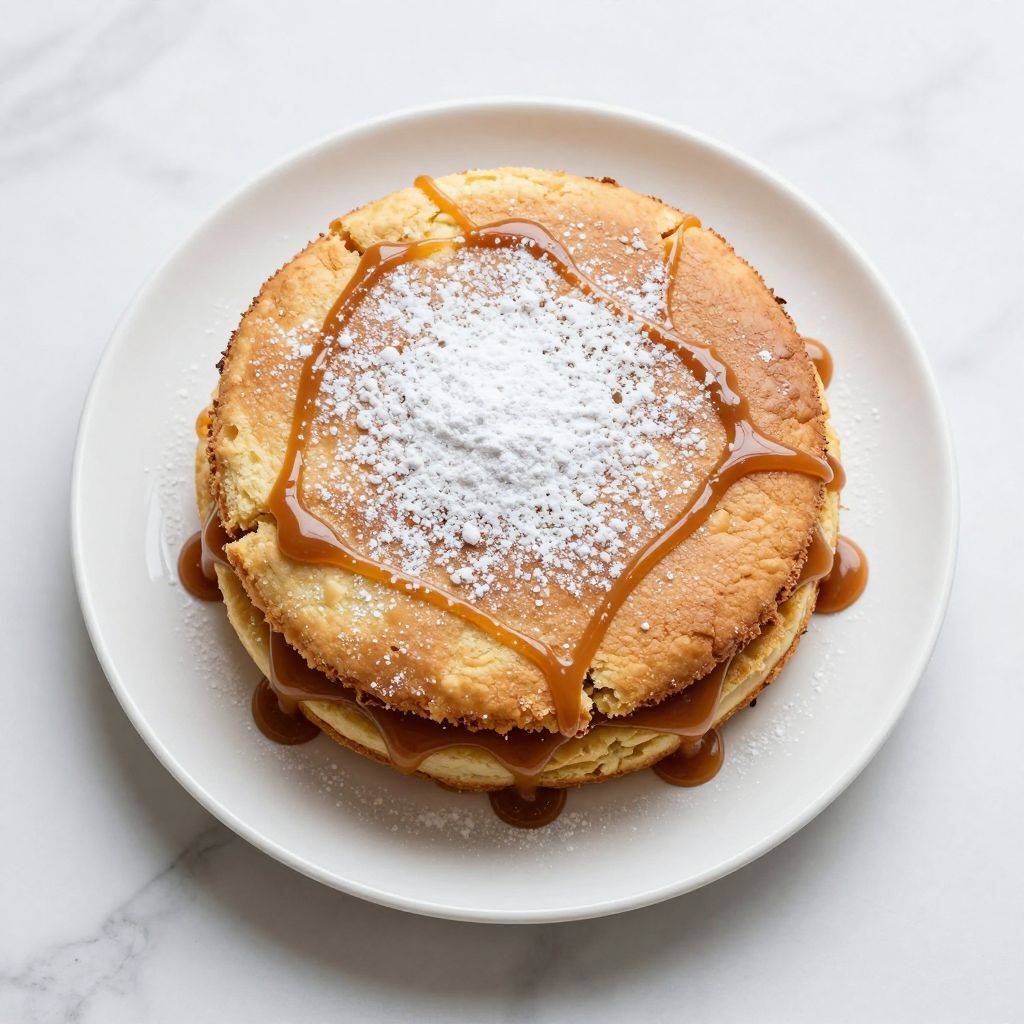
Let the cake layers cool in their pans for 10 minutes, then turn them out onto wire cooling racks and let them cool for another 30 minutes. Once completely cooled, place one cake layer on your serving plate and slowly pour half of the warm filling over the top, allowing it to soak in slightly; then stack the second layer and pour the remaining filling on top and around the sides.
Step 9: Final Rest
Allow the assembled cake to rest at room temperature for at least 1 hour before slicing so the filling can set slightly and the flavors meld together. The filling will remain soft and gooey, but it will firm up enough to support clean slices without the layers sliding.
Pro Tip: Don’t skip the cooling step after baking; assembly on warm cake layers will cause the filling to soak too deep into the cake and make it soggy instead of maintaining those perfect layers with gooey centers.
Tips for the Best Crack Cake
- Use room-temperature ingredients for the cake batter, especially eggs and butter, since they blend more smoothly and create a lighter, more even crumb than cold ingredients would.
- Don’t overmix the batter once you’ve added the flour; mix on low speed and stop as soon as you don’t see streaks of flour, or the cake will become dense and tough.
- Make the filling filling just before assembly so it pours easily and soaks into the cooled cake layers without becoming too thick and difficult to spread.
- Keep the filling warm but not hot when pouring; this allows it to seep into the cake properly while remaining pourable, creating that signature gooey texture throughout.
- Cover leftover cake with plastic wrap or store it in an airtight container to keep the layers moist and prevent the filling from hardening too much in the fridge.
- Slice the cake with a long, thin knife dipped in hot water and wiped clean between cuts for neat, professional-looking slices that showcase the filling.
Common Mistakes to Avoid
- Assembling the cake while the layers are still warm causes the filling to soak unevenly into the bottom layer, making the top dry and the bottom soggy instead of keeping distinct layers.
- Overmixing the batter after adding flour develops gluten unnecessarily, which makes the cake tough and dense rather than soft and tender.
- Using cold filling that’s been sitting too long makes it difficult to pour and distribute evenly between layers, resulting in some bites with too much filling and others with none.
- Skipping the final rest period and cutting into the cake too soon causes the layers to slide apart and the filling to pour out, making it messy to serve and eat.
- Opening the oven door repeatedly during baking causes temperature fluctuations that prevent the cake from rising properly and can result in sunken or uneven layers.
Serving Suggestions
Crack cake shines on its own, but you can serve it in different ways depending on the occasion and your mood. Simple toppings and pairings let the gooey filling take center stage without overwhelming the delicate cake layers.
- Dust the top with powdered sugar for a classic, elegant presentation
- Serve with a scoop of vanilla ice cream to contrast the warm, gooey filling
- Pair with strong black coffee or espresso to balance the sweetness
- Add a drizzle of caramel sauce on the plate for extra richness
- Serve at room temperature with fresh whipped cream on the side
Variations to Try
- Chocolate Crack Cake: Replace 1/4 cup of the flour with unsweetened cocoa powder and add 1/2 teaspoon of espresso powder to deepen the chocolate flavor, creating a rich contrast to the sweet filling.
- Salted Caramel Version: Add 1/2 teaspoon of sea salt to the filling mixture and sprinkle a pinch of fleur de sel on top of the assembled cake for a sophisticated sweet-and-salty balance.
- Brown Butter Cake: Brown the butter before creaming it with the sugar, which adds a nutty depth to the cake layers while keeping the same gooey filling.
- Pecan or Walnut Crunch: Fold 1 cup of chopped pecans or walnuts into the filling before pouring, or sprinkle them on top of the assembled cake for added texture and nutty flavor.
- Peppermint Twist: Add 1/2 teaspoon of peppermint extract to the filling and crush 1/2 cup of peppermint candies to sprinkle on top for a festive, minty variation.
Dietary Adaptations
- Gluten-free: Replace the all-purpose flour with a one-to-one gluten-free baking blend and increase the baking powder by 1/4 teaspoon to help with rise; the texture will be slightly denser but still delicious.
- Dairy-free: Substitute butter with dairy-free butter and use a dairy-free sweetened condensed milk product in the filling, though the texture may be slightly less rich than the original.
- Vegan: Use dairy-free butter, replace eggs with flax eggs (1 tablespoon ground flaxseed mixed with 3 tablespoons water per egg), and use dairy-free sweetened condensed milk for a fully plant-based version.
- Low-carb or Keto: This recipe requires significant modifications including almond flour, sugar substitutes, and keto-friendly condensed milk alternatives; the result will differ noticeably in texture and flavor.
Storage and Reheating
Refrigerator
Store the cooled crack cake covered with plastic wrap or in an airtight container in the refrigerator for up to 4 days. The filling will firm up slightly when chilled, but the cake will remain moist and delicious.
- Keep the cake on the middle shelf away from strong-smelling foods to prevent flavor absorption
- Allow the cake to come to room temperature for 30 minutes before serving for the best flavor and texture
Freezer
You can freeze crack cake for up to 2 months by wrapping it tightly in plastic wrap and then aluminum foil to prevent freezer burn. Thaw it overnight in the refrigerator before serving.
- Freeze the cooled cake on a baking sheet first, then wrap it to prevent damage to the frosting and filling
- Individual slices can be wrapped separately for grab-and-go portions
Reheating
Reheat individual slices uncovered in a microwave for 20 to 30 seconds until warmed through and the filling becomes soft and gooey again. For multiple slices, warm the cake loosely covered in a 300-degree Fahrenheit oven for about 10 minutes.
- Avoid overheating, which can dry out the cake layers while making the filling too runny
- Room temperature is often better than reheated for preserving the cake’s tender crumb
Nutrition Information
| Nutrient | Amount |
|---|---|
| Calories | 385 |
| Total Fat | 14g |
| Saturated Fat | 8g |
| Carbohydrates | 60g |
| Fiber | 0g |
| Sugar | 42g |
| Protein | 4g |
| Sodium | 245mg |
| Cholesterol | 58mg |
These values are estimates based on standard ingredients and serving sizes; actual nutrition can vary depending on specific brands and ingredient measurements used.
Frequently Asked Questions
Can I Make Crack Cake Without Sweetened Condensed Milk?
Sweetened condensed milk is really what makes the filling special and creates that signature gooey texture. You could mix heavy cream with sugar and cook it down, but the result won’t be quite the same.
How Far in Advance Can I Bake This Cake?
You can bake the cake layers up to 2 days ahead and store them wrapped in plastic wrap at room temperature or in the refrigerator. Assemble the cake no more than 6 hours before serving so the filling doesn’t over-soak the layers.
Why Is My Filling Too Runny?
The filling might not have cooked long enough to thicken properly, or the cake layers might still have been warm when assembled. Cook the filling for the full 5 to 7 minutes and ensure the cake is completely cooled before assembly.
Can I Use a Cake Mix Instead of Making It From Scratch?
Yes, you can use a box cake mix prepared according to the package directions and skip the homemade cake layers entirely. The filling remains the star, and most people won’t notice the difference between homemade and box mix cake.
What’s the Best Way to Slice This Cake Neatly?
Use a long, thin serrated knife dipped in hot water and wiped clean between each cut to prevent the filling from sticking to the blade. A cake cutter or long dental floss can also work well for clean slices.
Can I Double This Recipe?
Yes, this recipe doubles easily in a 9×13-inch baking pan, though you’ll need to increase the baking time to 35 to 40 minutes. The filling recipe also doubles without any adjustments.
Final Thoughts
Crack cake lives up to its name by being genuinely addictive while remaining simple enough for any home baker to master. The combination of soft, buttery cake with that irresistible gooey filling creates a dessert that tastes far more complicated than it actually is.
Give this recipe a try and watch it become a go-to favorite for gatherings, celebrations, and midnight snack attacks alike. Your family and friends will keep asking for it long after you’ve served the last slice.
Explore More Delicious Cake Recipes
If you loved making crack cake, you’ll want to explore more indulgent desserts that deliver serious flavor with straightforward techniques.
Try our Butterfinger cake recipe for another gooey, candy-filled option that satisfies similar cravings. You can also check out our strawberry crunch cake recipe for a fruity variation that keeps the same addictive texture.
Crack Cake
Ingredients
Equipment
Method
- Preheat oven to 350°F (175°C) and line two 9-inch round cake pans with parchment paper, then grease the sides.
- Whisk together 2 1/4 cups flour, 2 1/2 teaspoons baking powder, and 1/2 teaspoon salt in a medium bowl.
- In a large bowl, beat 1/2 cup softened butter and 1 1/2 cups sugar at medium speed for 3 minutes until light and fluffy.
- Add eggs one at a time, beating after each addition, then mix in 1 1/2 teaspoons vanilla extract until smooth.
- Alternately add the flour mixture and 1 cup milk to the batter in three additions, beginning and ending with flour, mixing until just combined.
- Divide batter evenly between pans and smooth tops; bake for 28–32 minutes until a toothpick comes out clean and tops spring back.
- While cakes bake, combine 14 ounces sweetened condensed milk, 6 tablespoons butter, 3/4 cup brown sugar, and 1 teaspoon vanilla in a saucepan over medium heat and cook for 5–7 minutes, stirring constantly, until glossy and slightly thickened.
- Let cake layers cool in pans for 10 minutes, then transfer to wire racks and cool completely, about 30 minutes more.
- Place one layer on a serving plate, pour half of the warm filling over it, stack the second layer, then pour remaining filling over top and sides; let rest 1 hour before slicing.